





Recently an eleven-year-old asked me: ‘Why do we still need schools now we’ve got Google?’
I thought this was a brilliant question and one that sums up perfectly the view point of children and young adults in the fast paced, instant learning culture that the internet and its associated leviathans such as the search engine have made the 21st Century.
So what do you think? Do we need schools now that we have Google and much of the information that is imparted in the classroom can now be absorbed online?
Obviously schools teach us social skills and values but do we still need the traditional classroom set up that has lasted for hundreds of years to ‘educate’ us anymore.
Are teachers becoming obsolete?
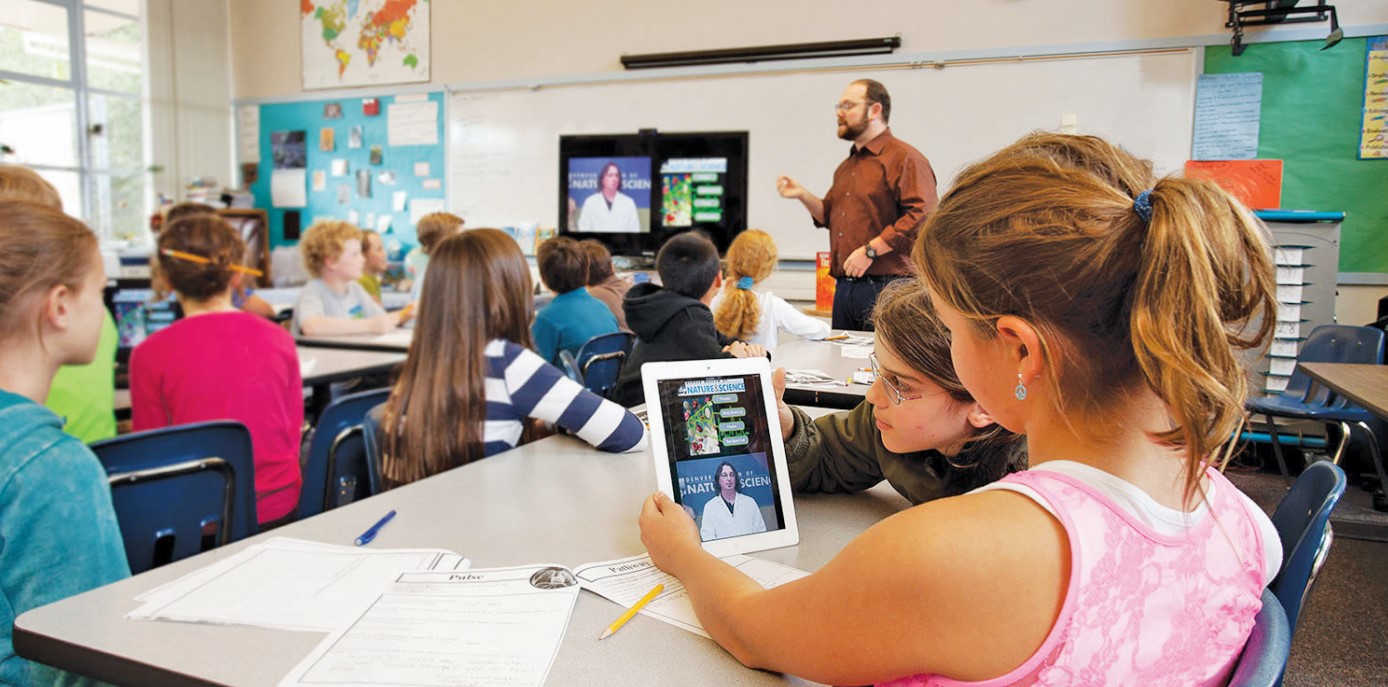
In order to consider this, we need to consider how much teaching and schools have actually changed over the last 100 years which in reality isn’t actually that much at all. The methodologies might have evolved and the curriculum might have changed slightly, but, in general, children are still grouped into sets of 25 – 30 called classes.
Each child within the class sits in groups and where there used to be a chalkboard, there is now an interactive white board instead.
If you were to make the same comparisons with medicine, for example, which is very research-driven and evidence-based, a hospital from 100 years ago would be unrecogniseable by the standards of its modern day counterpart. So, if medicine which is so driven by research and evidence can evolve in such ground breaking ways, why can’t education, since after all the health of the human brain is equally as important as the health of the human body.
One of the problems is that there are so many theories on education surrounding how to learn, why we learn, why we don’t learn and so on, but the difference is that where in medicine, theory through research, often to leads on to evidence which then becomes practice, generally because it can demonstrate that it works because people start getting better or stop getting ill, in education theories are handed around left, right and centre, often without any research or actual evidence to state that it leads to any kind of improvement or difference in learning at all.
Sadly theories of education often become flavours of the month which are adopted by schools or ministries for education without significant trials to demonstrate their effectiveness meaning that bucket loads of money are wasted by schools training staff in how to use them and claiming the impact of each one is groundbreaking, only to find a few years later that they were in fact total rubbish. Remember Brain Gym anyone?
But going back to the original question however of whether we still need schools now that we have Google, my answer is of course we do.
Google doesn’t explain the information it offers with the passion and enthusiasm that a good teacher can bring, nor does it appeal to specific learning needs or disabilities.
It doesn’t inspire children to become lifelong learners or help them to find out skills they didn’t know they had.
What it does do, however, is to complement education in a way that makes information easier to access.
Teachers show children and young adults how to make sense of information and how to differentiate between what is useful and what is not. The internet opens up possibilities through links and connections that might have never possibly been made in the classroom.
The school classroom and the internet are entwined in ways that we have only just begun to understand and, even though it might take years to work out the best way for the two to work perfectly together, it will be more than worth it when we do.

