While fast fashion still exists with many brands producing clothing designed from cheap, synthetic materials, there has been a slow but steady shift towards sustainable fashion in the last few decades.
Several studies indicate that a recent change, which includes recycling and thrifting, along with an increasing value for eco-friendly materials and longer-lasting garments, has been observed especially among Gen Z.
As such, more and more small independent brands, as well as some mainstream marques have started using more recycled material in their manufacturing processes, even opting for natural fabrics, research indicates.
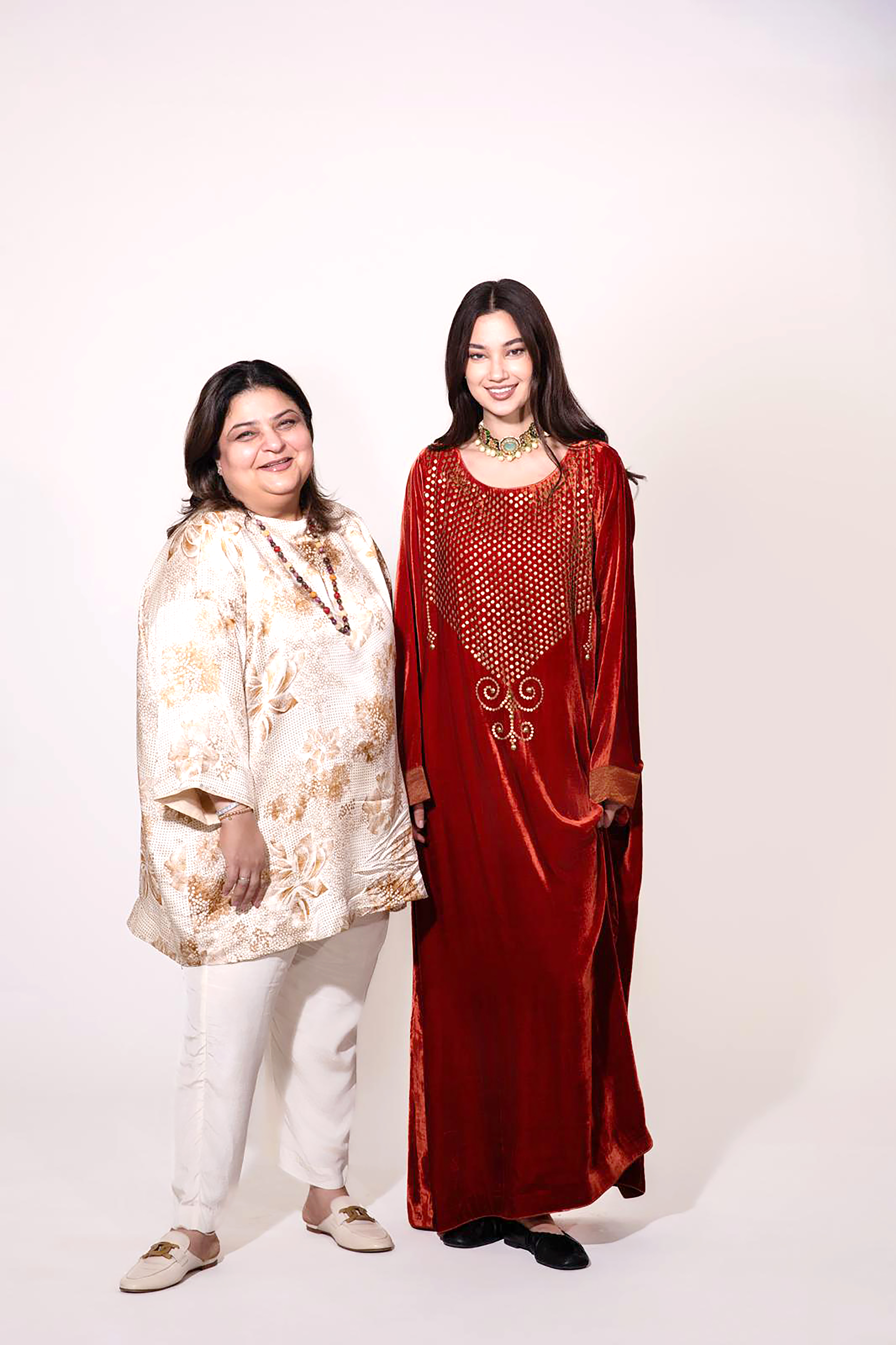
One such homegrown name that has been designed around the ethos of pure fabrics right from the start is Tarakeeb. Launched seven years ago by Indian expatriate and creative entrepreneur Kanika Subberwal from Riffa, Tarakeeb means ‘putting things together’ in Arabic and ‘idea’ or ‘technique’ in Hindi, and is revered among patrons for its sustainable fabrics including silk, linen and cotton.
The brand is set to officially launch its new line, Amira, this year,
which specifically caters to a younger audience and features a range of
‘accessible’, ‘more wearable’ pieces, including some made in Bahrain.
The
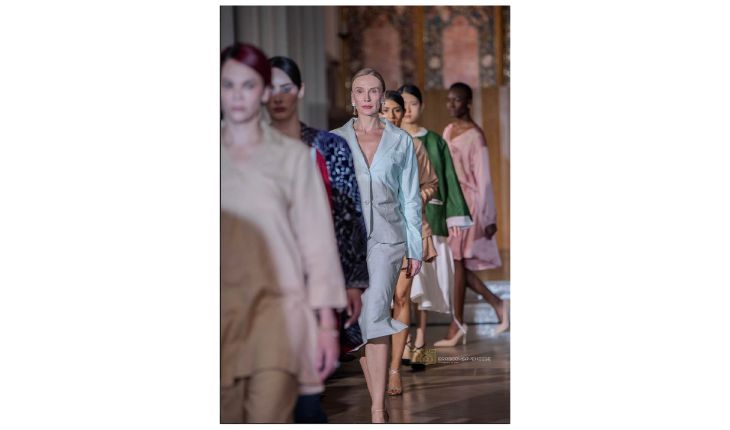
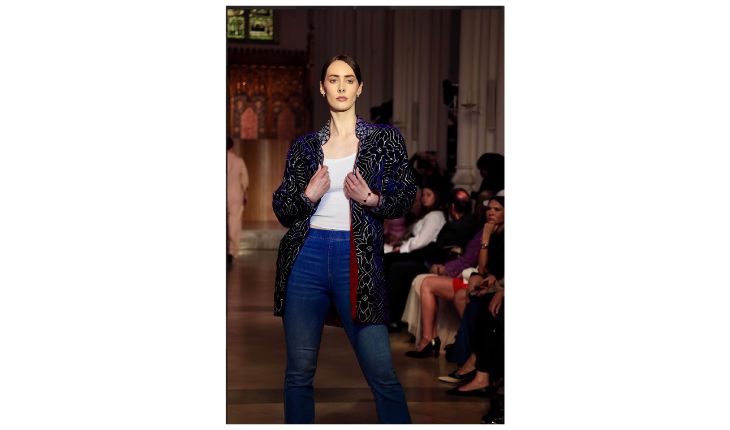
brand recently showcased its debut collection, comprising jackets,
vests, shirts, trousers and shorts at the seventh edition of the London
Fashion Day staged at Hyde Park – a dynamic UK fashion platform bringing
together emerging designers, models and industry professionals under
one roof.
“Amira retains the ethos of the pure fabrics – no synthetics – but has its own identity,” Kanika told GulfWeekly.
“Since
launching Tarakeeb, I have seen a lot of interest from young people so I
thought, why not do something for them,” she added.
The debut
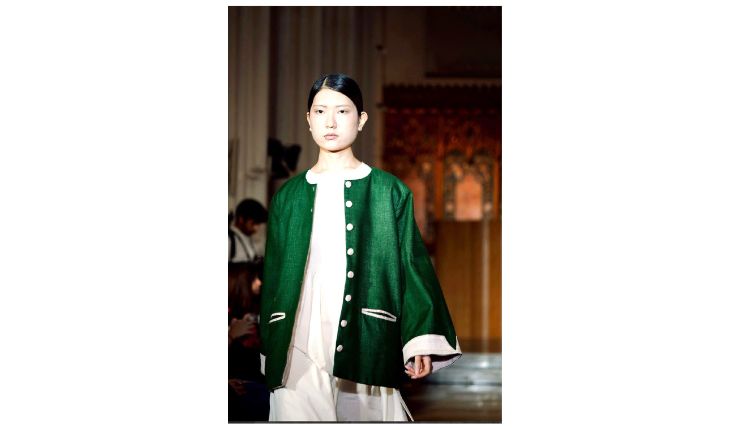
ensemble by Amira pays tribute to Bahrain with classic red and green
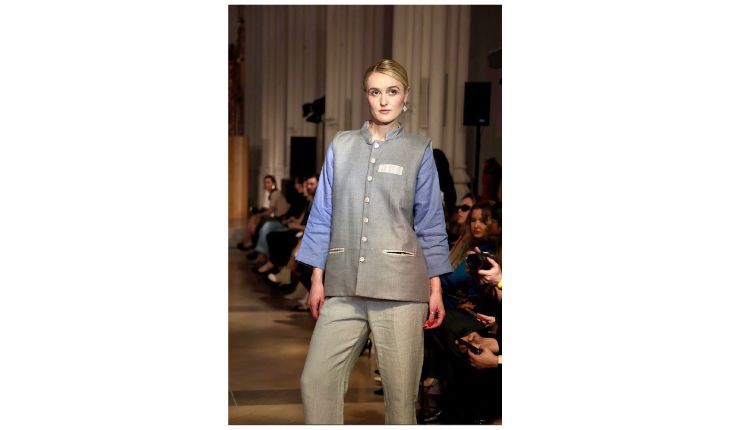
jackets and a grey vest, tailored in the kingdom. The jackets have a
minimalist aesthetic that make them versatile and the vest is a classic
that has a timeless quality to it.
London-based analyst Saloni
Subberwal, who has had a front-row seat to her mother Kanika bringing
Tarakeeb alive, donned one of the jackets as she presented the
collection at the fashion event.
“As a young founder, showcasing
Amira at London Fashion Day was incredibly special because it reaffirmed
something my mother and I have always valued deeply – the beauty of
pure fabrics, thoughtful craftsmanship and quiet luxury rooted in
timeless elegance,” the University College London graduate who now works
at Boston Consulting Group noted.
“In a world of fast trends and
mass produced luxury, it felt meaningful to present pieces that are
handcrafted with individuality and intention, balancing structured and
fluid silhouettes, with modern brocade detailing designed to move
effortlessly from lunch to work to evening wear.
“Amira’s
spring-summer vision is centred on soft cottons, modal, linen and silk
tailored as understated yet striking pieces designed for a generation of
women who want to feel elegant and impossible to overlook,” she
remarked.
Elaborating further on the fabrics, Kanika said: “The red
and green jackets are made from pure wool on the outside but have pure
cotton inside, which seems to have grabbed a lot of attention because
that makes them versatile even if the weather fluctuates. The cotton
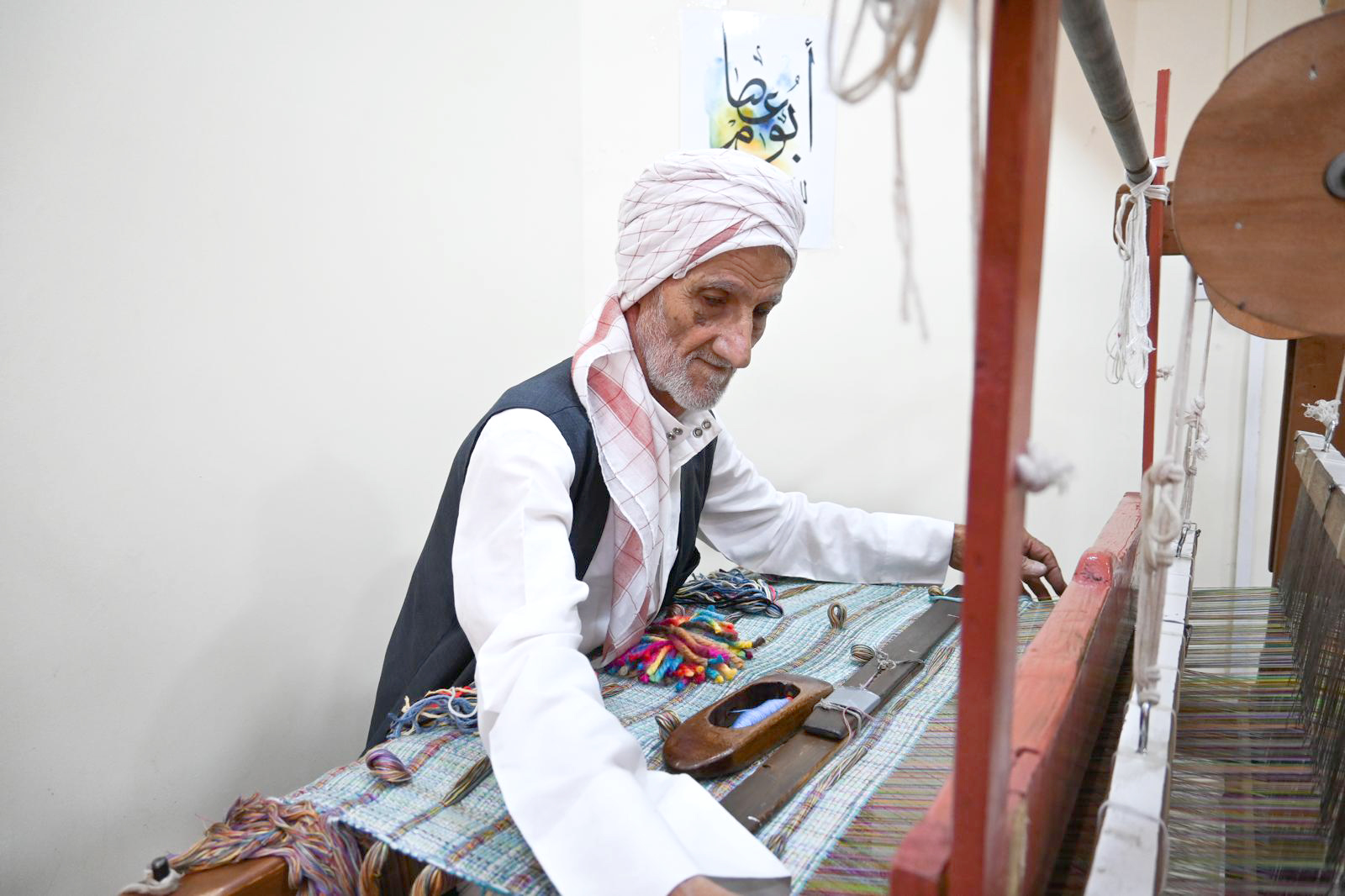
ribbed weave inside the jackets was handwoven in Bahrain by artisans
from Bani Jamra village. The grey vest has linen on the outside and
cotton inside.
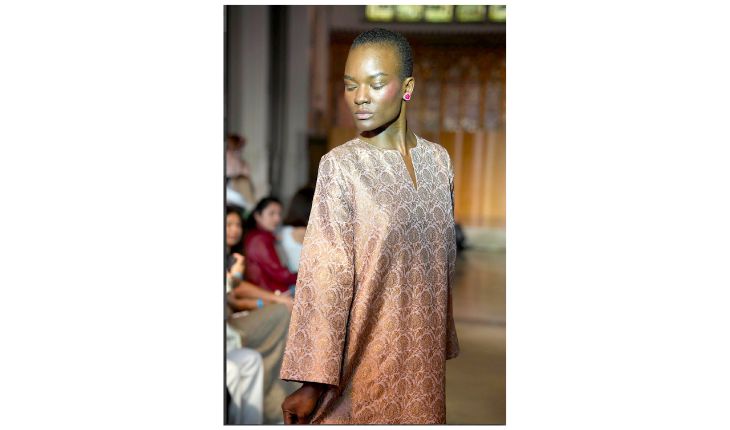
“We also created pure silk brocade trouser suits and
tailored a skirt and jacket – all very popular. We used khadi to make
the shorts and jackets. The only fabric that we used that is not 100 per
cent natural is a very interesting one called modal, which is made out
of beech wood, and the reason that we used it is because it does not
crush very easily. So at least for shirts people prefer that.”
Tarakeeb
has had a longstanding collaboration with independent weavers from Bani
Jamra – an endearing connection to the kingdom and its sartorial
heritage. It incorporates the fabric weaving technique of the small
village off Manama coast.
Some past designs have featured pieces
inspired by traditional Bahraini Al Naqda art – a traditional embroidery
with fine silver or gold threads (khoos) stitched onto fabrics.
“We
create and sell the Indian version of it – Mukaish – which is usually is
very thin and light. We make it thicker in our workshops, but we do
those in India because here, so far, the mechanism to create larger
pieces is not available. We stay as close to the core, but in our own
way,” added the luxury brand strategist and creative leader with over 20
years of experience.
Mukaish is an ancient, delicate metal embroidery technique from Lucknow, India.
Tarakeeb
represents a convergence of Bahrain’s creative landscape and a
confluence of cross-cultural heritage. A quiet-luxury artisan brand, its
debut collection Be Bahrain was launched in 2019 and subsequently
displayed at the prestigious La Biennale de Paris.