

_page-0001_20260903101241.jpg)




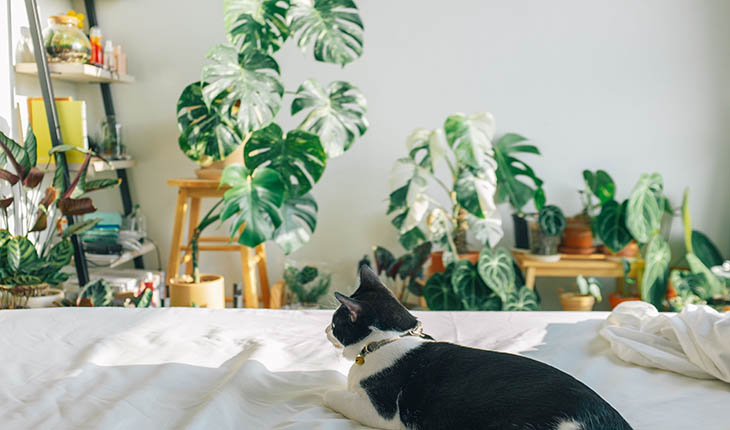
For many in Bahrain, bringing the outdoors inside is a favourite way to soften the rigours of modern living and create a cool, relaxing sanctuary against the island’s scorching summer heat.
However, for pet owners, some plants might present a hidden danger. Understanding which plants thrive in our climate while keeping four-legged family members safe is essential for every pet-loving home.
While many popular plants sold across local nurseries are completely harmless, a few widely available varieties pose serious risks if ingested by pets.
Charis Vets veterinarian Dr Hansel Thomas highlighted that dieffenbachia (dumb cane), monstera, sago palm (cycas revoluta), desert rose (adenium obesum) and oleander are toxic to pets.
He proceeded to warn against the most common poisoning cases he treats from plants like lilies, sago palm and aloe vera.
“True lilies are among the most dangerous because even a small amount of pollen or a leaf can cause life-threatening kidney failure in cats,” Dr Hansel told GulfWeekly.
“Cats don’t even need to eat a whole flower — a few grains of pollen on their fur can be swallowed during grooming.
“Sago palms are another major concern, as every part of the plant — especially the seeds — is highly toxic and can cause severe liver failure in both dogs and cats. Oleander is also extremely poisonous and can affect the heart. Many owners assume aloe vera is harmless because it’s beneficial for people, but it can cause vomiting and diarrhoea in pets,” he added.
It’s important to remember that even plants deemed ‘non-toxic’ can cause mild stomach upset if consumed in large amounts, so it’s best to discourage chewing.
Providing cats with safe alternatives, such as cat grass or enrichment toys, can help redirect their natural curiosity away from houseplants.
Safe alternatives for indoor plants include spider plants, Boston ferns, African violets, orchids (especially phalaenopsis or moth orchids), parlour palms, areca palms, zebra haworthia, calatheas and prayer plants.
For those designing outdoor patios or courtyard spaces in Bahrain, veterinary surgeon Dr Khun Thura suggests focusing on pet-friendly flowers, functional herbs and safe lawn covers.
“Outdoor green cover should rely on dog-safe grasses like wheatgrass and oatgrass without chemical pesticides, herbicides, or synthetic fertilisers. Grass, marigolds, petunias, snapdragons, sunflowers, rosemary, basil, thyme and other non-toxic herbs are safe,” explained the expert, who specialises in advanced care for dogs, cats and exotic species at Home of Veterinary Medicine.
“Regularly checking the garden for fallen leaves, flowers, or seeds can further reduce the risk of accidental poisoning.”
Plant safety isn’t just about leaf toxicity. Pet owners should also keep a few environmental factors in mind.
Dr Khun highlighted that pets like to dig and may ingest soil containing additives such as perlite or chemical fertilisers.
Additionally, she advised keeping floor cleaners, insecticides and rodenticides completely sealed and stored out of reach from pets. Early signs of chemical ingestion often include drooling, vomiting, diarrhoea, pawing at the mouth, loss of appetite, lethargy, or unusual behaviour.
“When animals nibble on hazardous stems or leaves, the physical consequences can escalate quickly. After ingestion, they suffer moderate to severe gastrointestinal upset, vomiting, diarrhoea, drooling and tremors.” Dr Khun added.
If a pet has been seen chewing on a plant or has suddenly developed signs of poisoning, owners should contact a veterinarian immediately. Bringing a photo or sample of the plant can help with identification and treatment.
The sooner treatment begins, the better the outcome. Many plant poisonings respond well when treated early, while delays can allow toxins to cause serious damage to organs such as the kidneys, liver, or heart.
Some non-toxic plants:
Spider plants
Boston ferns
African violets
Orchids
Parlour palms
Areca palms
Zebra haworthia
Calatheas
Prayer plants
Marigolds
Sunflowers
Snapdragons
Petunias
Fuchsias
Wheatgrass
Oatgrass
Rosemary
Basil
Thyme
Some toxic plants:
Dieffenbachia (dumb cane)
Monstera
Sago Palm (cycas revoluta)
Desert Rose (adenium obesum)
Oleander
Lilies
Tulips
Aloe vera