

_page-0001_20260903101241.jpg)




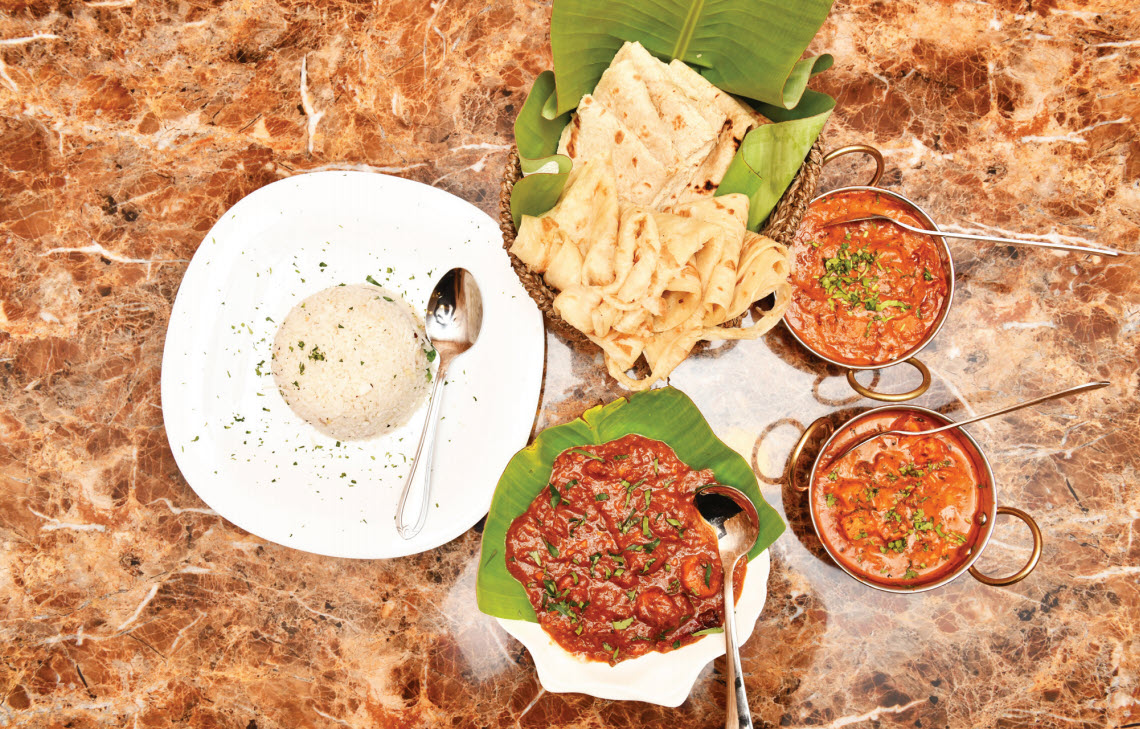
After more than 20 years in the kingdom’s hospitality sector, popular expat club host Satish Palayat has put his culinary knowledge to the ultimate test by opening a restaurant of his own to complement his other activities in the industry.
The best entrepreneurial advice you can get is to concentrate on what you know, something you are passionate about … and always surround yourself with people that you can trust.
Satish and his business partner wife, Mini, a computer science teacher at the Indian School, believe they have the recipe for success by highlighting the impressive array of their home country’s rich cuisine at the Lakeshore Restaurant & Grill, situated down a bustling street mostly full of car repair, cleaning and service shops in Hajiyat, Riffa.
And, a blast from the past fronting the operation is their good friend, Chandran, who they convinced to return to the kingdom from a seven-year spell in semi-retirement back in ‘God’s own country’ after a 28-year stint in Bahrain at expat sanctuaries such as the British Club and the Dilmun Club.
He shouldn’t miss home too much as the frontage of the restaurant is cleverly dedicated to Kerala, mirroring in many ways Bahrain’s own diversity and tolerance. My friend Betsy, the charismatic This is Bahrain champion, would love the symbolism, I’m sure, as it features a mosque, chapel and temple, alongside traditional dancers, wildlife and symbols.
And, on the other side of the Lakeshore door, is a striking image of one of Kerala’s famous houseboats, enough to bring tears to the eyes of the many Indian expats still reeling from the shock of hearing news about the dreadful floods that devastated the region.
But from the heartache comes the joy of a true taste of home. A dynamic trio in the kitchen, namely Chef Murali, Chef Krishnamoorthy and Chef Krishnan Kutty, are masters in the art of south Indian fare and the team has been strengthened by the recent arrival of Executive Chef Girish, who specialises in North Indian cuisine, to make sure all regional specialties are covered for diners.
India is an extremely diverse country, home to many different cultures, languages and traditions that extend into regional food. The most notable differences between Northern and Southern Indian cuisine, according to my Indian friends, involves starches.
The staple crop in the temperate climate of the north is wheat, so most dishes are based around this ingredient for foods such as naan and roti. The tropical and semi-tropical southern region yields rice more efficiently, which is a prominent food in the majority of dishes.
Southern Indian foods are much spicier than Northern foods. North India has heavier, creamier dishes than the south, which cooks with a higher water content.
The sauce is thicker in the north, thinner in the south. Bread-eating northerners need thicker sauces to scoop up with their bread, which would obviously become soggy with wetter sauce. Southerners use a thinner sauce over rice, which stays relatively firm when absorbing liquid.
Finally, the north uses a lot of yogurt, onion, tomatoes and garlic. The south uses a lot of native fruits, curry leaves and coconut.
The Szecowka family ventured to the upstairs family setting of the 52-seat restaurant. We settled down with a refreshing glass of lemon juice and a plateful of crunchy poppadums before we tucked into a feast of curries. The menu is full of dishes at crazily affordable prices with a chappati at 50fils, with mains ranging from 500fils to BD1.200.
Teenagers Imogen and Stan Jnr are fans of Butter Chicken Masala (BD1), a version of the UK’s most famous Indian-style dish, and it was so good they even managed to keep off their smartphones as they soaked the naan bread into the sauce.
The good lady wife, Kathryn, who never hastens to rub in the fact that she toured India on a back-packing trip before she met me, tucked into a precious Chemmen (prawn) Masala and recounted her many marvellous memories with GulfWeekly’s Indian photographer Honey Sharma, a devout vegetarian who was enjoying a tasty Paneer (cottage cheese) Butter version.
The best was yet to come in my opinion, in the form of Mutton Pepper Fry straight out of the foodie heartland of Kerala, described as the perfect menu booster, whether you have a house party planned or just a relax-on-your-couch sort of a weekend. Boneless mutton is placed in the pan with coriander powder, chilli powder, turmeric powder and salt and the result is sensational.
I also have to celebrate the Beef Chili Fry Nadan-Style divine meaty dish that really packed a punch and is already amongst the most popular dishes in the house. One of my Indian friends told me it is considered a delicious signature dish of the Christian community living in Kerala.
The beef pieces are pressure cooked in a spicy masala and later fried or roasted with onion and curry leaves. It’s absolutely superb with a dash of yoghurt on the side and wrapped in a package of warm Indian bread.
“This is my dream,” said Satish, who has two children, Aadi Deva, seven, and Adhuyeth, 15. “I know people of all nationalities love traditional Indian cuisine and we can deliver tasty food --– the taste of my home – at a reasonable price inside the restaurant and catering for private functions.”
Amongst the locals, the Biryani dishes are in huge demand, and to keep everyone happy there is also a Chinese section on the menu from Beef in Chili Oyster Sauce, to Kung Po Chicken, Fish Szechuan to Cauliflower Manchurian which I aim to try out next time we call by. Sandwiches, burgers and chips also feature to cover all bases.
Whilst Satish concentrates on his duties as GM of the Bahrain’s Rugby Football Club’s Blindside Barbecue & Grill, he knows he has a safe pair of hands with Chandran at the Lakeshore helm, a restaurant that is open from 5am until midnight.
For more information, call 36424642 and check out Stan’s YouTube interview with Satish, Chandran and Chef Girish.

