





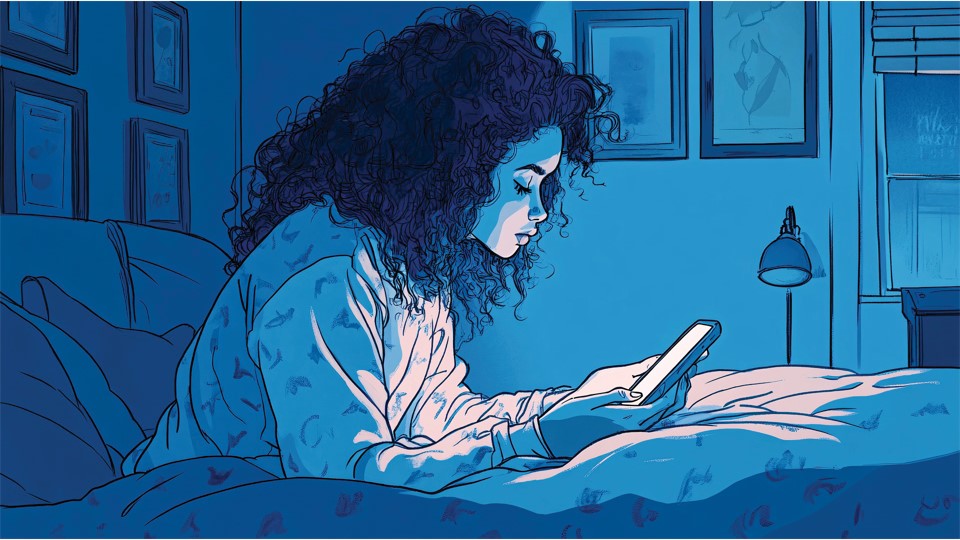

The impact of the past dozen days of Iranian attacks is being felt far beyond drone strikes and falling missile debris, as families and children, in particular, have seen their sleep cycles and routines decimated.
Doctors in Bahrain are recommending that visualisation
exercises and family members taking turns to monitor alerts as effective and
practical tools to maintain a healthy sleep schedule in these times.
“Living through stressful times like war can really mess
with your sleep - your mind keeps racing, and restful nights can seem like a
distant dream,” American Mission Hospital clinical psychologist Dr Feba Percy
Paul told GulfWeekly.
“Living with danger makes your brain super alert, like a
guard dog that barks at every noise even though it may not be a threat anymore.
We call it learned helplessness.
“Even when you’re safe, your mind stays on high alert,
making it hard to relax.
“It’s normal to feel this way, but it can keep you from
catching those much-needed ‘Zzz’s’.
“Your brain is just trying to keep you safe — it’s not that
easy but I believe in the power of adaptability our brain has, it has the power
to reset and restore.”
Dr Feba has seen an increase in people reporting insomnia
since the conflict began, especially children and older folk.
She highlighted bed wetting and worsening eating disorders
amongst cases that she saw last week. Another impacted demographic is pregnant
women.
“I was with a pregnant woman who was delivering her baby and
she asked me, ‘Do you think the baby will make it safely?’ and our friends living closer to danger zones may feel it to
the extremes,” Dr Feba added.
Al Hilal Hospital neurologist Dr Roopchand PS has also noted the hypervigilance he is
seeing amongst patients, which while useful in survival, can lead to ‘increased
secretion of stress related chemicals in the body which in turn can cause
gastritis, elevated blood pressure and sugar, and loss of appetite’.
“Apart from insomnia, it can cause irritability, panic
attacks, loss of focus and decreased productivity,” he said.
“Physically active people with insomnia also have a higher
chance of developing gastrointestinal issues, poorly controlled diabetes and
blood pressure problems.”
The impact he has seen has been mainly amongst younger
generations and those who had to relocate, and he found it interesting that
older Bahraini citizens seemed to be fairly unfazed.
Dr Feba has urged everyone to take their sleep seriously,
calling it ‘the secret weapon to help you feel better and stronger’, while also
urging organisations to be flexible and adapting work schedules to help
employees stay rested so they continue to be productive.
Tips to protect your sleep:
- Stick to a routine - going to bed and
waking up at roughly the same time, even if your day’s plans are unpredictable.
- Limit your news intake before bed - one
person in the family can keep their phone on with alarms enabled and the rest
can keep theirs on silent mode, taking turns to keep an ear out.
- When you hear the sirens and booms,
move your mind to safety and check for any harm. If none, breathe and or try to imagine
yourself on a peaceful beach - sand between your toes and no alarms ringing.
- Breathe deeply, like you’re trying to
blow out birthday candles, slowly and gently.
- Avoid caffeine or sugary drinks before
bedtime.
- Stay connected with family or friends,
even for a quick chat, but talk about things beyond the attacks. Your
geopolitical insights are unlikely to end the war.
- Speak to your doctor and if they recommend it, you can also use medication to help with sleep.
