
_20260730110331.jpg)




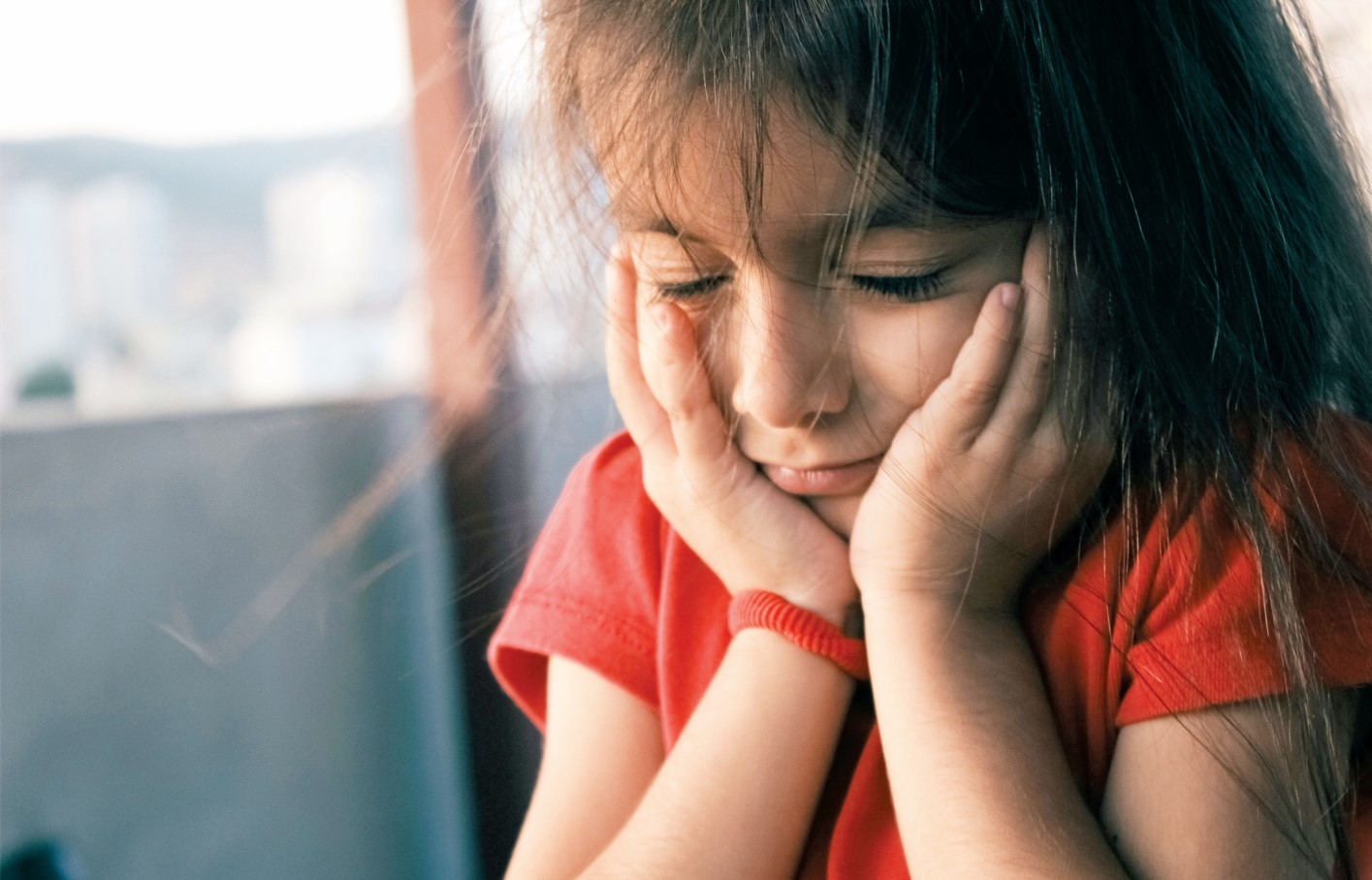
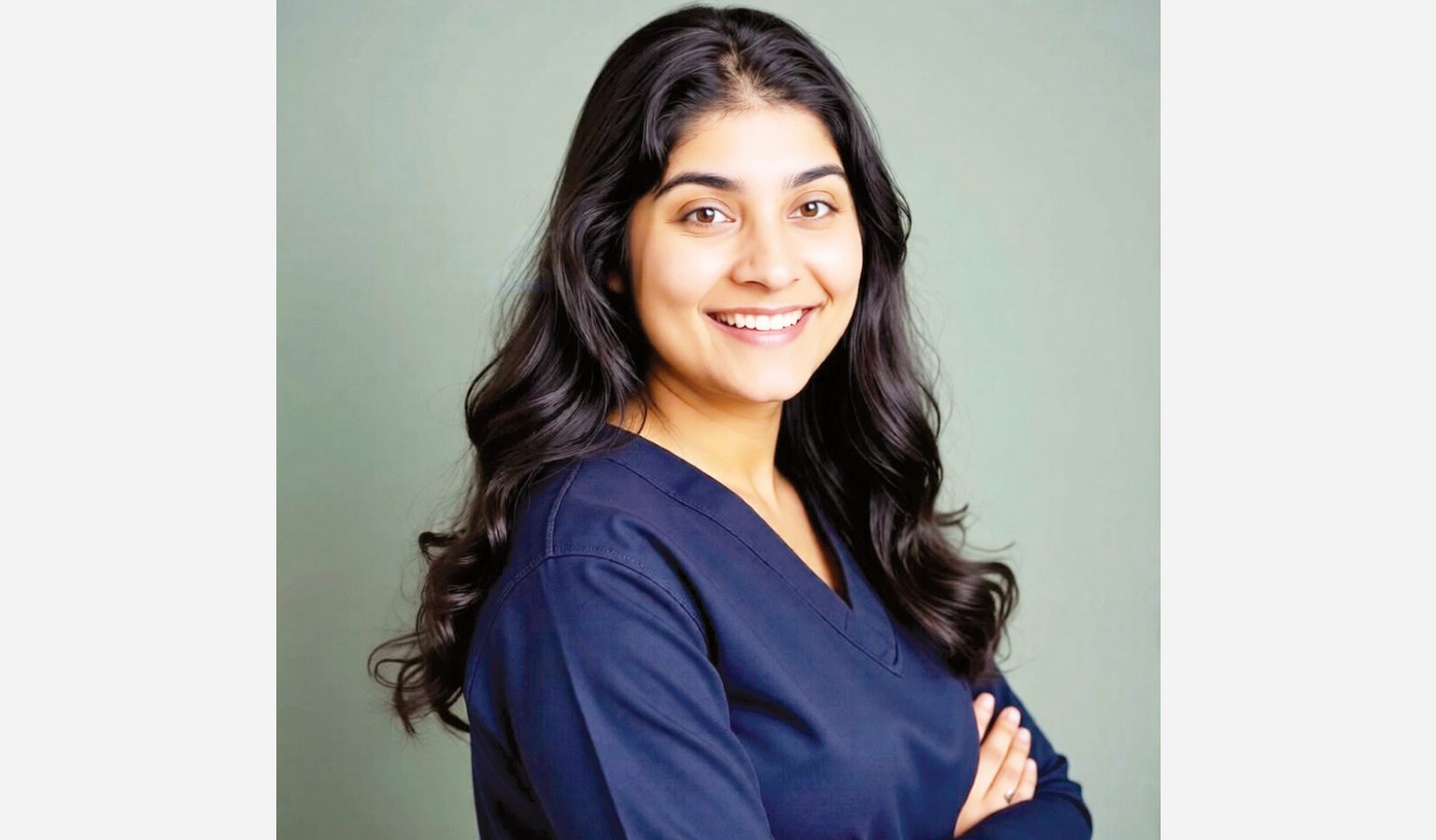
A self-help guide to assist children in navigating the ongoing crisis, has been released, packed with self-regulation strategies from a licensed clinical psychologist.
According to American Mission Hospital clinical psychologist
Dr Feba Percy Paul, who developed the ‘Mental Health Capsule: Self Help for
young minds’ guide, the ongoing Iranian attacks in Bahrain have led to a
‘concerning rise’ in children experiencing panic attacks during the night.
She also noted that health providers are calling on parents
and caregivers to provide a supportive environment at home in these difficult
times.
“We’ve noticed a concerning rise in children experiencing
panic attacks during the night,” Dr Feba told GulfWeekly, adding that emergency
and night shift pediatricians requested that she prepare this guide.
“Parents and caregivers are having a tough time getting to
calm and assure a child during blasts. These tips might look simple but when
practised in real time, it’s a great relief.”
According to Dr Feba, children and adults process war trauma
differently due to their developmental stages.
Children’s brains are still developing, so trauma often
manifests through behavioural changes, fears, and emotional expressions like
nightmares or withdrawal.
“They may understand and cope with trauma through play or
drawing, but it can impact their emotional growth long-term,” she explained.
“Adults, with more developed cognitive abilities, tend to
process trauma through understanding and reflection, but may also experience
chronic stress, guilt, or post-traumatic stress disorder (PTSD).
“Both groups require tailored support to help them heal,
considering their unique ways of experiencing and expressing trauma.”
Dr Feba noted that some of the children she is seeing in
these times are struggling to regulate their emotions because of unstable
domestic relationships.
“There are many homes with unstable parenting and
relationships and children are struggling to regulate their emotions - the
battle at home is more difficult to fight,” she explained.
Strong social support, stable relationships, a sense of
safety and positive coping skills are key to building resilience amongst
children.
While some are able to remain hopeful and continue their
daily routines, other children may feel the danger more intensely, especially
if they lack support, and experience heightened fear which can hinder their
ability to self-regulate.
The AMH mental health capsule covers coping tips for
children like taking deep breaths, drawing and colouring their feelings and
doing something selfless, as well as a quick strategy to centre oneself during
moments of crisis.
COPING TIPS FOR CHILDREN:
• Take deep
breaths: inhale the courage, exhale the worries. Breathe in slowly like you’re
smelling a yummy cake, then breathe out like you’re blowing out birthday
candles.
• Talk to
someone you trust. Sharing your feelings makes your heart feel lighter. Share
how you feel with a parent, teacher,
or a good friend.
You’re
never alone!
• Draw or
colour your feelings. Every colour is a feeling, and your art is your
superpower! Use colours and pictures to show how
you’re feeling inside. Art can make you feel better.
• Remember
happy memories. Happiness is a treasure chest inside your heart. Think of fun
times like playing with friends, family hugs, or your favourite story.
• Do
something nice. A little kindness can brighten the world - yours and theirs!
Help a family member, share your toys, or do a kind deed.
• Stay safe
and calm. Follow safety rules and listen to grown-ups.
• Think of
hope. Things will get better and brighter days are coming. You are special, and
taking care of yourself is the best gift you can give.
• Eat
healthy snacks, get plenty of rest, and do fun activities.
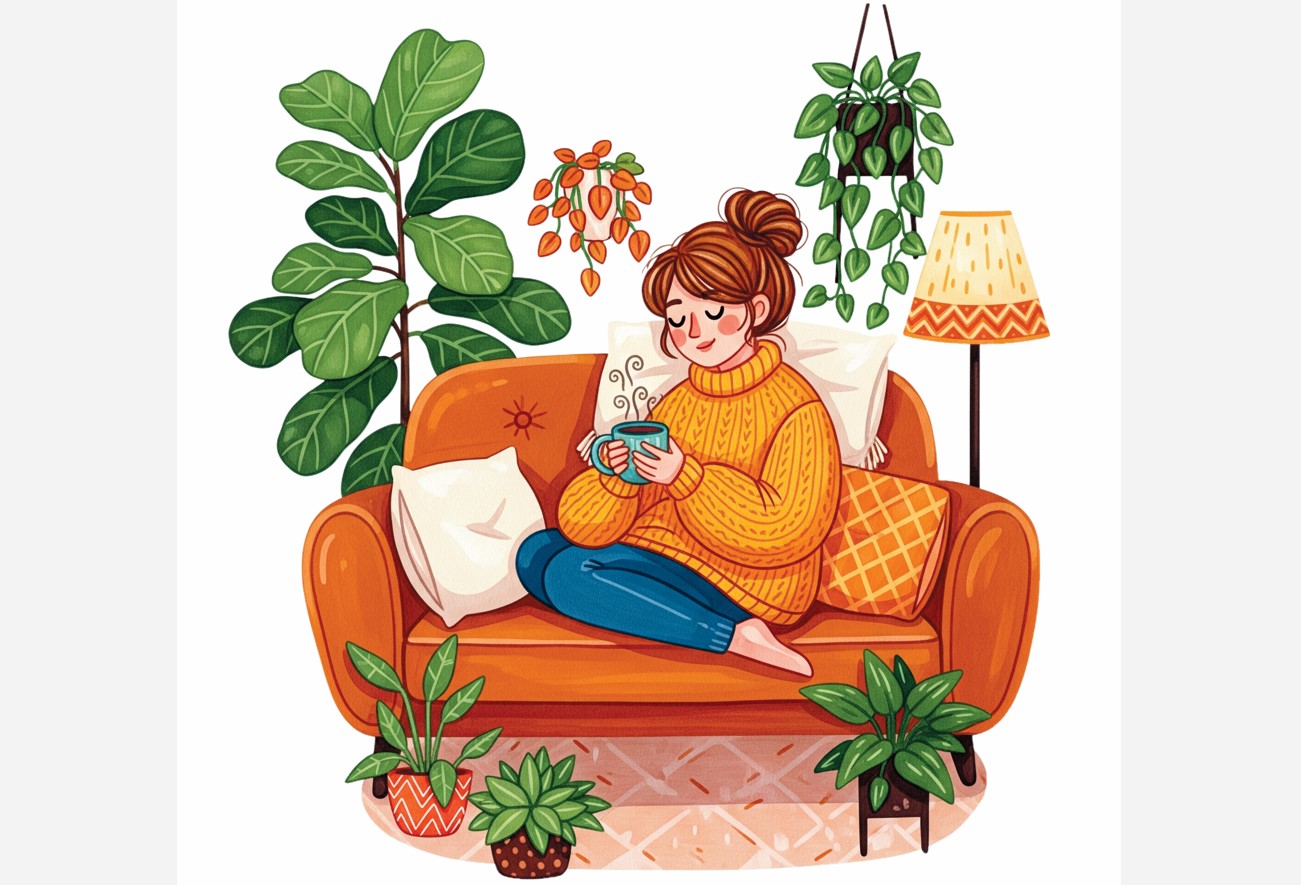
• Create a
comfort corner with your favourite blankets, toys, or stuffed animals where you can relax.
THE
5-4-3-2-1 METHOD TO CALM ANXIETY
5. Look
around and name five things you can see. For example - a clock, tree, toy,
picture or book.
4. Touch and
name four things you can feel like the texture of your clothes, the chair, your
hair or the ground under your feet.
3. Listen
and identify three sounds you can hear. For example - birds, a car, someone
talking.
2. Notice
two things you can smell like food, soap or fresh air.
1. Focus on one thing you can taste like a piece of gum, sip
of water, or just the taste in your mouth.