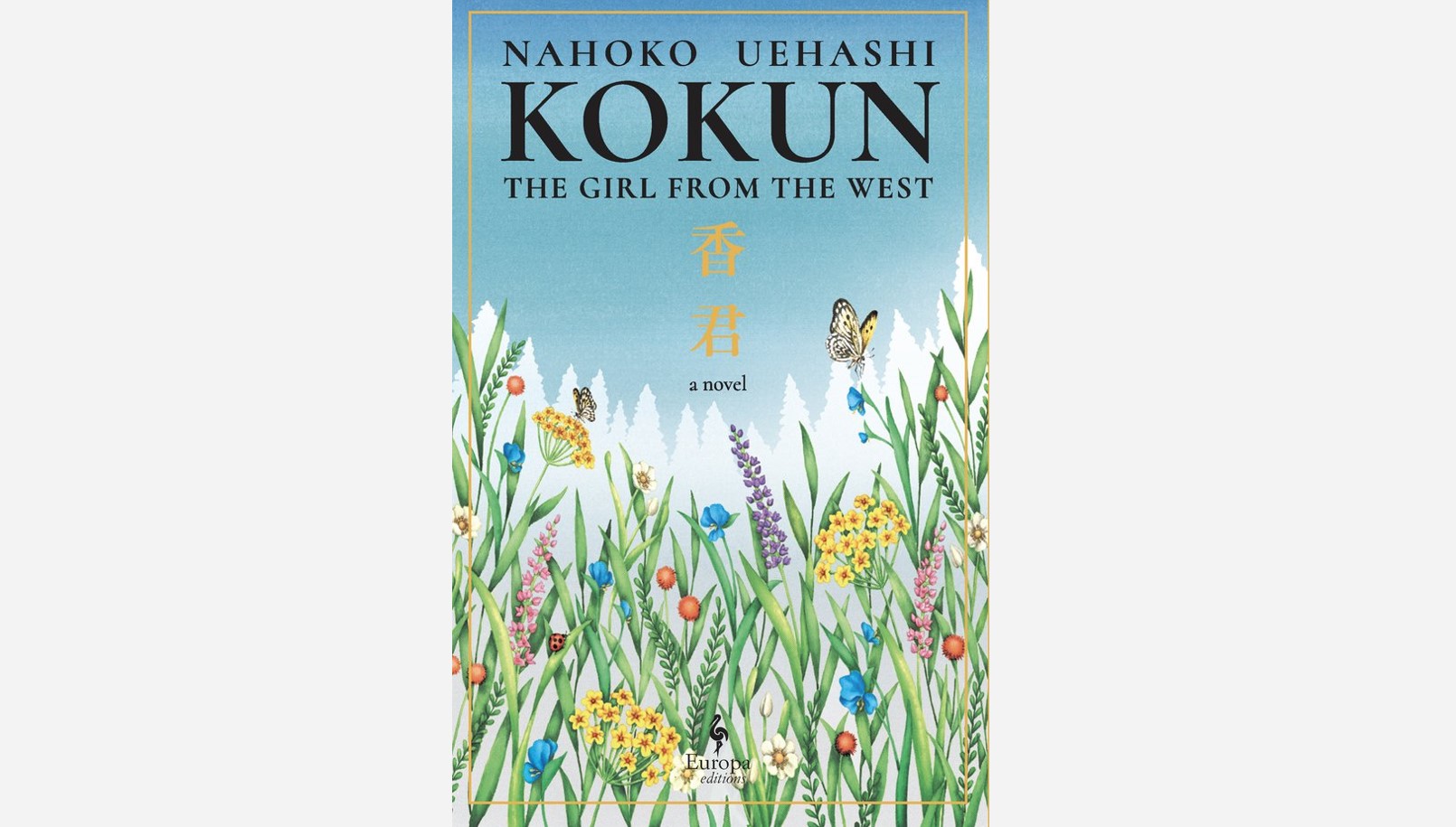
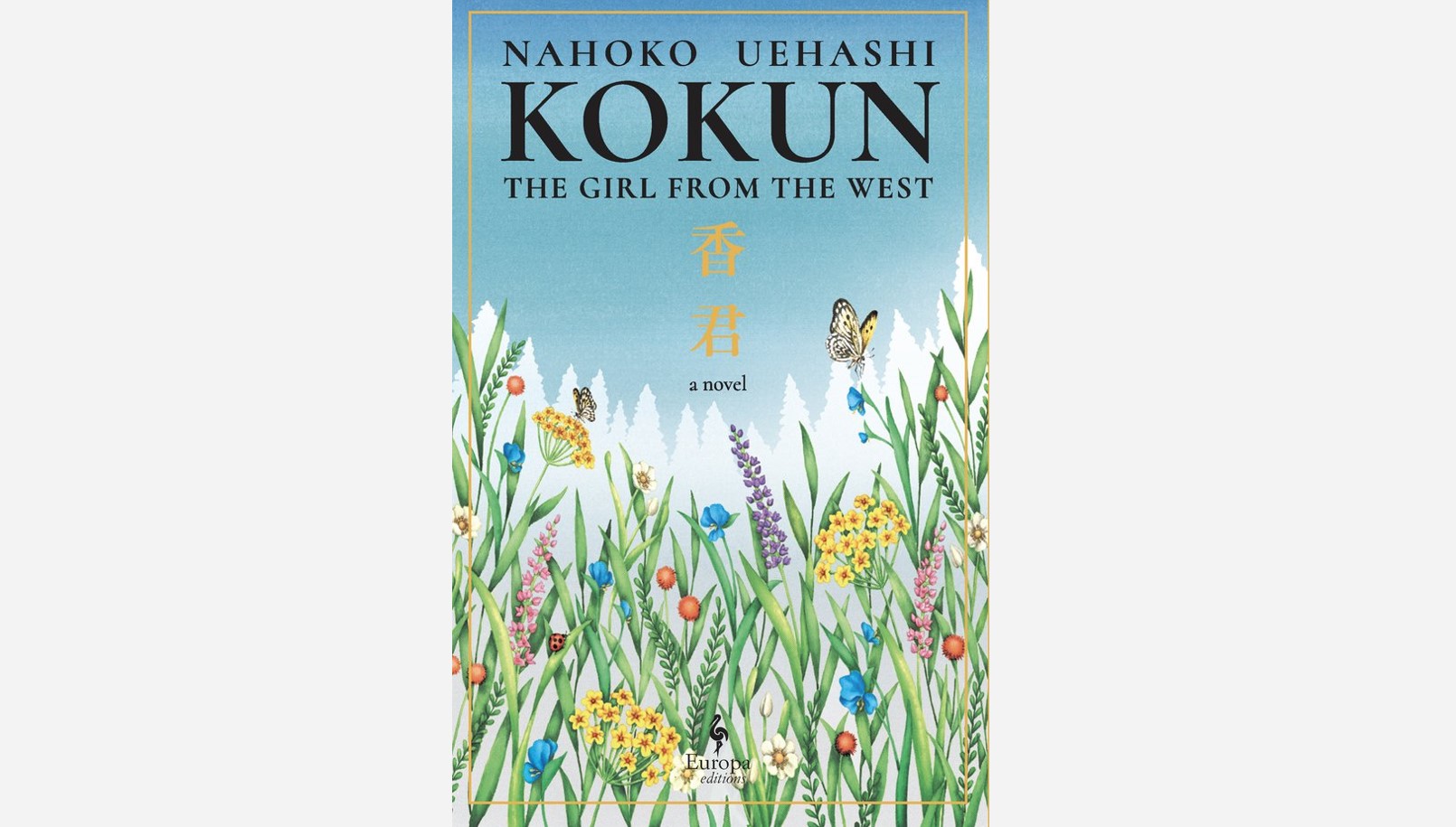
The English translation of Japanese young adult fantasy novel Kokun: The Girl from the West by Nahoko Uehashi hits the shelves on January 13.
It is the first in the ecological fantasy book series, Kokun, by Japanese author Nahoko Uehashi.
The story tackles the vast Umar Empire, which has been flourishing for centuries thanks to the miraculous Ohaleh rice – a sacred grain resistant to all parasites brought by the first Kokun (empress) from a distant land. However, the peace and prosperity sustained by the rice is threatened when a mysterious infestation spreads famine and has the empire crumbling.
Aisha, the 15-year-old granddaughter of the deposed king of the West Kantar domain, flees to the imperial capital after a violent coup. There she meets the reigning Kokun, Olie, an enigmatic girl praised for her supposed gift of scent, yet secretly powerless.
As Aisha uncovers her own latent ability to perceive the natural world through smell, she and Olie form an unlikely alliance. They must unlock ancient powers related to scent and nature to save the vast Umar Empire.
Canada-born-and-raised translator Cathy Hirano moved to Japan in 1978 as an English teacher and later, in 1987, became a freelance translator. In an interview, she reflected on how expression differences may cause the Japanese syntax to come across as ‘flat and roundabout’ to an English reader.
“The Japanese way of stating a point fairly subtly, from several different directions, is meant to establish a rapport with the other person and to give them the benefit of the doubt that they are intelligent enough to know what you mean,” she explained.
“The English way of developing an argument is to go A, B, C, therefore, D.
“We have our introduction in which we state the points. Then, we back up each of the points, and have a conclusion to show why that logic makes sense and is convincing,” she added.