


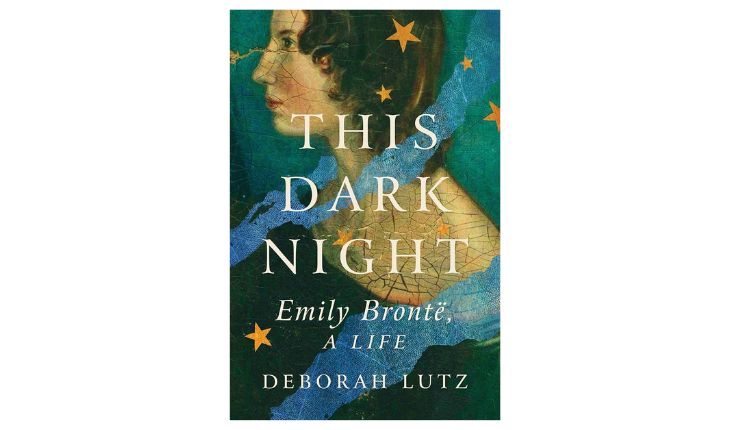
THE much-awaited biographical book This Dark Night: Emily Brontë, A Life by Deborah Lutz has hit the shelves.
Drawing on formerly inaccessible notebooks and manuscripts, it constructs a portrait of the gothic 1847 novel Wuthering Heights’ author, who is considered to be an elusive figure with a ghostly legacy provoked by her early death.
It tackles her relationship with her famous writing sisters Charlotte and Anne, and how grieving their mother impacted her writing.
The author also illustrates how Emily, who lived from 1818 to 1848, discussed debates of her time such as class and race, which author Deborah believes still resonate today.
She recounted experiencing grief during the writing process.
“While I was writing the passages about the death of the Brontës’ mother, my mother died,” she said on social media.
“She had been ill and frail for a very long time, so her death was no surprise. But then, exactly a month after her death, my dear, dear dog Penny suddenly died. That loss was devastating, especially on top of my mother’s death,” she added.
“When I got back to writing, I had the occasion to ponder the ways that death and grieving became an integral part of Emily Brontë’s work and life.”
The 19th-century English-American literature professor is known for her classic works, including The Brontë Cabinet (2015), which brought alive the fascinating lives of the Brontë sisters through the things they wore, stitched, wrote on and inscribed.
It was shortlisted for the PEN/Jacqueline Bograd Weld Award for Biography and has been translated into Spanish and Japanese.

Digital Edition
Flip through the latest issue of Gulf Weekly.
Click here to view flipbook edition
Click here to view PDF edition

Contact Us
Al Hilal Publishing & Marketing Group
PO Box 1100,Manama,
Kingdom of Bahrain
Click here for Contact Details