


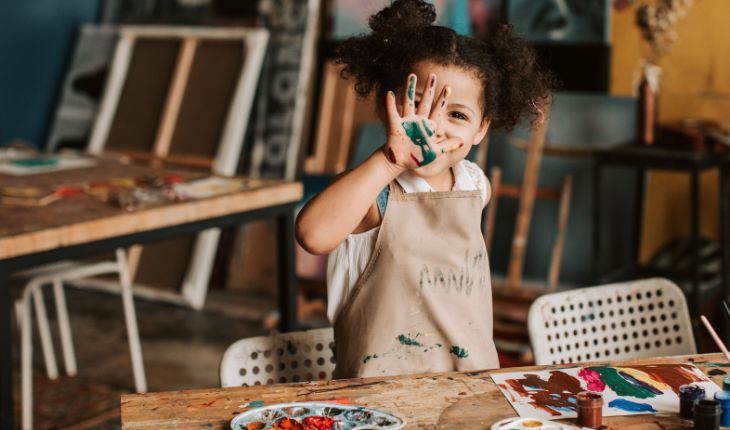
Psychologists and teachers in Bahrain are encouraging young minds to pursue their interests without feeling pressured to excel at them, nodding to the return of the ‘lost art of pastimes’.
Remember when you put hobbies on your resume? Not anymore! These days it is all about ‘passion projects’ and ‘side hustles’. While there is nothing wrong with alternative careers or additional sources of income, approaching every activity as a means to an end can be counterproductive.
With the rising competition, most parents feel compelled to encourage their children to be ‘the best’. While this is well intended, it could cause unnecessary stress.
Additionally, social media and its culture of validation has aggravated the problem, with users – across ages – scrambling to portray every small thing as an ‘achievement’. Ironically, it often leads to feelings of inadequacy especially when you compare your performance with others.
“Young individuals, today, are under unprecedented pressure to be ‘perfect’ as social media generally celebrates physical beauty, busy lives and financial achievements,” Child Foundation Centre licensed psychologist Dr Suzanne White told GulfWeekly.
“It puts forward a world where being ‘perfect’ is normal, and so, kids who use a lot of social media and become focused on ‘likes’ and ‘followers’, may experience anxiety or develop lower self-esteem,” she warned.
The expert noted that hobbies allow children to develop a sense of identity and self-worth that is not based on achievements or school grades. They encourage creativity, independence and motivation, and give kids something to turn to in times of stress,” she added.
The expert encouraged allowing children to choose their own hobbies, highlighting that they will be more likely to continue.
“One hobby available to all kids is unstructured play, preferably outdoors. This gives them the freedom to be creative and try out new things, which builds confidence and independence. Choosing a pastime that is developmental is important, as activities such as excessive online gaming or highly competitive sports, may be problematic for your child’s self-esteem,” Dr Suzanne explained.
She also underpinned that parents who have hobbies are likely to raise children who acquire them.
Schools play an equally important role in encouraging hobbies considering children spend a considerable amount of their time there. Organising extracurricular activities without the pressure to win competitions can help students discover their interests while also interspacing learning with relaxation.
“It’s wonderful for children to try different activities, but not every interest needs to become a pathway to excellence, competition, certificates, or even a future career,” American School Bahrain visual arts teacher Berenice Coelho said.
“A child can play football without needing to become a footballer, or take an art class without having to produce amazing art. Children need opportunities to experiment, explore and enjoy activities simply because they like them. When the focus shifts to achievement, recognition or ‘What will this get me?’, they can lose sight of the joy of the activity itself.
“As an art teacher, I try to create a space where students feel safe to experiment, make mistakes, explore different materials and learn that failure is part of the creative process. Not everything they create needs to be impressive; sometimes the value is simply in the experience,” she added, highlighting a balance between supporting ambition and offering a safe space.
Echoing the same sentiments is mother-of-two Zainab Javid from Riffa, who noted that while it is normal to expect children to do well at something they like and are good at, they should not be forced into activities.
“Our daughter Zoya has always enjoyed art. We encourage her to be creative and take part in competitions,” she added, pointing out that they have never pressurised her to paint. “On family outings to restaurants, she likes to take her sketch book along, and even follows online tutorials,” she said.
Bahrain University Master’s student Fatima Quadir from Janabiya noted that it is natural for parents to expect their children to make an effort especially if they are registering them for expensive activities. However, she felt that genuine interest and constructive feedback rather than unrelenting pressure is the way to go.

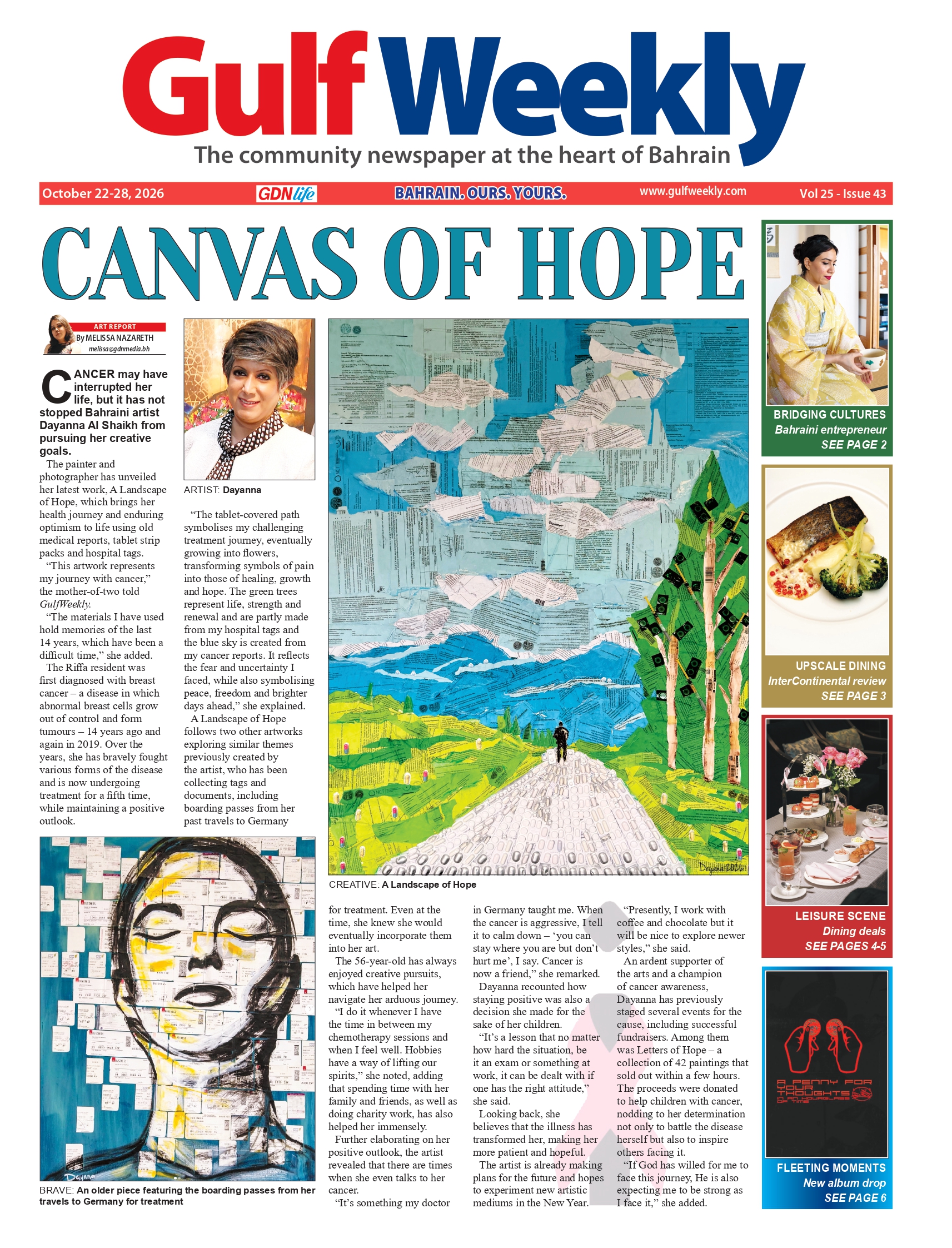
Digital Edition
Flip through the latest issue of Gulf Weekly.
Click here to view flipbook edition
Click here to view PDF edition

Contact Us
Al Hilal Publishing & Marketing Group
PO Box 1100,Manama,
Kingdom of Bahrain
Click here for Contact Details