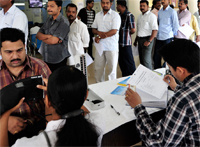
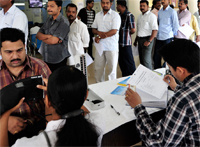
Hundreds of health-conscious, low-income workers have been making use of free medical check-ups offered by a leading Bahrain hospital to help identify any ‘silent killer diseases’ they may be suffering from.
An increase in conditions such as diabetes, high cholesterol, high blood pressure and abnormalities of the kidneys and liver have been raising concerns on the island and experts believe routine screening tests are the best way to detect them before irreversible damage is done.
Good samaritans at Al Hilal Hospital in Muharraq believe it makes sense for people to be scanned as life-style changes can often offer simple cures saving victims and their companies financial hardship in the future.
CEO Dr Sai Giridhar said: “Due to the current lifestyle many people lead, alongside growing stress and bad eating habits, ailments which pose a serious threat to health are often neglected.
“We aim to encourage the community to take the first step. Early detection is the key to better care and can prevent future complications.”
The Free Ramadan Screening Check-Up initiative is a follow-up of a series of earlier screenings staged at the hospital last month when more than 5,000 used the hospital’s services free of charge. The next check-up session will be held on Friday from 8am to 8pm.
The programme, which would normally cost between BD25 and BD40, was initiated by the hospital to spread health awareness and reach out to the needy who cannot afford the service.
Dr Sai explained that the check-up covered four vital chronic and lifestyle ailments which are prevalent in the kingdom such as high cholesterol and diabetes.
The comprehensive check-up features an array of tests on blood pressure, blood sugar, cholesterol, body weight, creatinine (for the kidney) and SGPT/ALT (for the liver). In case of an abnormal reading, patients can make use of a special coupon to receive 50 per cent off on a doctor’s consultation and 10 per cent off on other tests, including ultra sound and CT scans until the end of the Holy Month.
People have been flocking into the hospital from the early hours of the morning, said Dr Sai: “Some have already returned with their discount coupons, which is a positive sign that they really want to improve their health. We are maintaining a database of every patient who utilises this service as well as all the follow-up cases.”
Dr Sai explained that the database collected from the programme will be analysed over the next couple of months and could help develop a working campaign in collaboration with the Ministry of Health, as well as other medical societies, to help organise a larger screening system across the kingdom.
He also urged companies to secure their own employee databases and organise annual check-ups for the benefit of a smoother working environment.