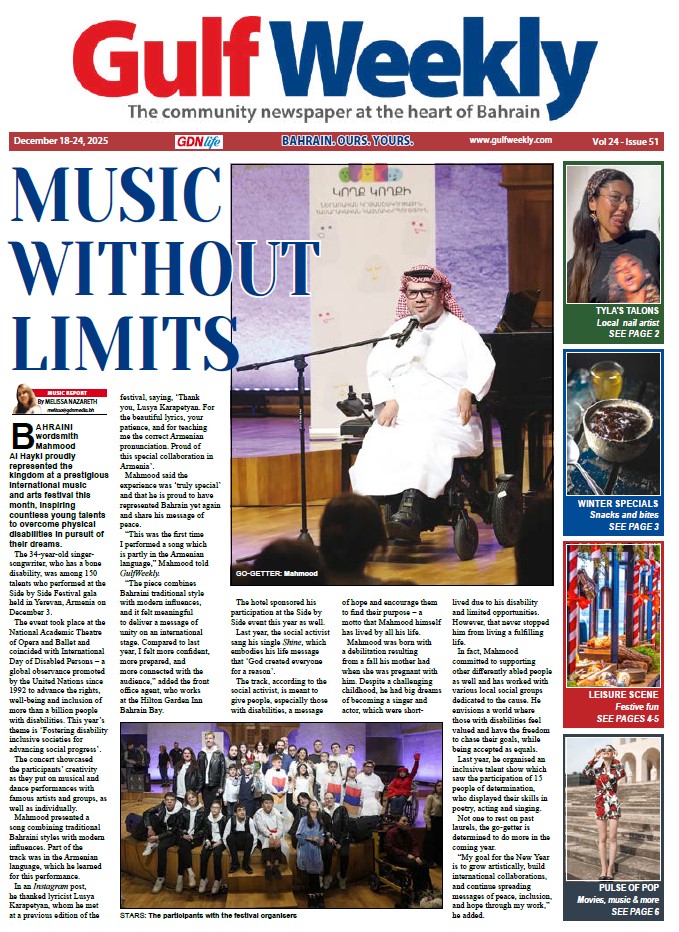
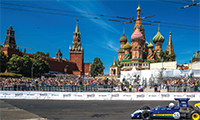
Vehicles, including Formula One cars, raced around the Moscow Kremlin on Saturday in a show race and taste of things to come.
Ferrari collaborated with Kaspersky Lab, a developer of secure content and threat management systems, to deliver the Moscow City Racing (MCR) 2014 event attended by 100,000 people.
“I heard a lot in the past about this event. It’s been beyond expectations ... the circuit, the fans, the iconic place where it is taking place,” said Ferrari driver Marc Gene at a news conference.
MCR’s list of teams also included Caterham and Citroen. Spectators had a chance to see modern race cars of Formula One and some historical rare cars.
Former Formula One driver Jean Alesi and the winner of Dakar 2013, Eduard Nikolaev, also took part in the show. Alesi said he came to Moscow to help promote motorsport in Russia. Russia’s first Formula One Grand Prix is set to take place on October 12 in Sochi.
Moscow signed a seven-year deal with Formula One supremo Bernie Ecclestone in 2010 with the project to build the country’s first purpose-built circuit costing $200 million, a fraction of the amount spent on the Olympics.
Using the same expertise behind the Bahrain International Circuit, the Hermann Tilke-designed 5.8-km track, with the Olympic Park as a centrepiece, will be the third longest on the calendar and cars are expected to hit maximum speeds of 320kph.
The inaugural Russian F1 Grand Prix remains on track for its autumn debut despite concern raised by the crisis in Ukraine, according to local promoters and the sport’s governing body.
Race promoter Sergey Vorobyev said: “There is no doubt from any point of view that the race will happen.”
International Automobile Federation (FIA) president Jean Todt, speaking separately to reporters, said that currently there was ‘nothing that should change the running of the calendar’.
Media speculation about the race, to be held on a street circuit around facilities used for this year’s Winter Olympics, began after Moscow annexed the Black Sea peninsula of Crimea from Ukraine in March.
Adverse international publicity played a major role in the cancellation of the grand prix in Bahrain following unrest in 2011.
The crisis is the worst between Russia and the West since the Cold War, with the United States and European Union imposing sanctions – including asset freezes and visa bans – on a number of individuals and companies.
The Russian round of the world superbike championship that had been scheduled for Moscow Raceway on September 21 has already been cancelled.
Series organisers said that decision was reached because ‘the current political situation affects the capabilities of a number of key partner companies essential to run the event’.
Aleksey Sheian, minister for strategic development and investments in the Krasnodar region around Sochi, added that the F1 race had to be seen as a purely sporting event. He added that postponement of a project strongly backed by President Vladimir Putin was ‘not even on the agenda, no way’.
Organisers plan to sell 55,000 tickets with overseas visitors expected to account for about 20 per cent of the crowd.
Sauber and Toro Rosso have Russian partners – with Russian rookie Daniil Kvyat racing for the latter team – while tyre supplier Pirelli has oil major Rosneft as its single largest shareholder.
“Russia is for us a very important business market and will remain so. If we go to Russia we’ll be happy,” said Pirelli motorsport head Paul Hembery.