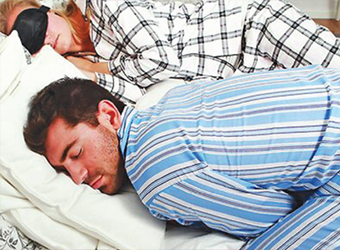
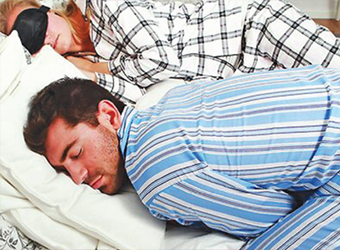
GET tucked in and make sure you get a good night’s sleep as it may help you avoid diabetes, according to a leading expert on the ticking time-bomb which currently affects one-in-five Bahrainis and a growing number of expats.
The knock-on effect of getting the right amount of shut-eye can also help provide the energy necessary to exercise regularly, which is a vital component alongside a healthy diet, to combat its onset.
Dr Sunil J. Rao, a specialist in internal medicine at Royal Bahrain Hospital, has years of extensive experience in the diagnosis, treatment and management of various internal diseases, including Diabetes Mellitus Type 1 & 2. He also urged people to have regular blood-sugar level and hypertension tests as early diagnosis allows management of the conditions to avoid dangerous health complications later on.
“A lack of good quality sleep combined with obesity due to poor eating habits and a sedentary lifestyle can be all related to the onset of diabetes,” he said. “Quite a large number of studies have shown short sleep duration to be associated with it. Getting adequate sleep, however, can help with insulin sensitivity and appetite.”
Diabetes is a chronic condition associated with abnormally high levels of sugar (glucose) in the blood. Insulin produced by the pancreas lowers blood glucose. Absence or insufficient production of insulin, or an inability of the body to properly use insulin, causes the disease.
Inadequate sleep often increases insulin resistance caused by a surge in certain hormones and a reduction in others, with the end result often an increase in blood sugar levels or hunger pangs leading to over-eating and obesity, he added.
A recent study also suggests that men, in particular, who don’t get the right amount of sleep, may have an increased risk of developing a type of diabetes.
Plenty of previous research has linked sleep problems to it, but the reasons behind this connection still aren’t well understood, said lead study author Femke Rutters of Vrije University Medical Centre in The Netherlands.
The current study looked at one possible explanation: insulin resistance.
Researchers examined data on sleep patterns and insulin resistance for 788 men and women who didn’t have diabetes.
Overall, people slept an average of 7.3 hours a night, the study team reports in the Journal of Clinical Endocrinology and Metabolism. This is close to the amount medics suggest an average adult needs.
Men who slept much more or less than average were more likely to have insulin resistance than their peers who got average amounts of rest, the study found.
For women, however, the opposite happened. Women had less insulin resistance when they got more or less sleep than average. It’s unclear from the study findings why this gender gap occurred.
“The take-home message is that even when you are healthy, sleeping too much or too little can have detrimental effects on your health,” the report’s editor added.
Around half the patients Dr Roa sees each day are suffering from diabetes. His area of interest includes preventive health check-ups, particularly for high blood pressure and diabetes. “They are so important,” he said, “Too many patients seek medical help when serious complications have already set in, such as diabetes-related eye disease, nerve disease or heart issues. We could help prevent these problems well in advance.
“The onset is usually ‘silent’. That’s because many people go five to 10 years before being diagnosed with diabetes, probably because they only experience minor issues such as fatigue or sleep disturbance and just carry on.
“Yet the condition can be managed with early diagnosis to help prevent serious complications in the future. Everyone should have their blood-sugar levels tested and check, at the very least, annually.”