AS a huge sports fan, there are few events more exciting than the Olympics. Dreams are made, hearts are broken, tears of both despair and joy are shed in equal measure … it is pure human theatre.
Although I never grew up desiring to be an Olympic athlete, probably as a result of mental scarring from my father reminding me that the only sport I’d ever win at would be if they added sleeping to the roster, it’s a joy to watch and cheer on those plucky members of the admittedly cringe-worthily-named ‘Team GB’.
Of course, Usain Bolt too, because everyone loves him.
The thing I like most about the Olympics is getting to see those sports that you never see during the four year gaps between events. Stuff like fencing, kayaking, weightlifting and rowing, willing on nameless faces just because of the flag they represent. Oh, and the beach volleyball. Definitely the beach volleyball …
Unfortunately, there’s still the mainstream sports on offer, which no-one wants to see. We have more than enough football, golf and tennis throughout the year, we really don’t need any more of it. Especially where golf is concerned as most of the top players don’t want to be there anyway, so one can only imagine what the audience thinks in return.
In my opinion, a simple criterion for including a sport at the Olympics would be: If winning it would be the absolute pinnacle of the sport, it should be included. If not, then make way for another sport. If you offered a golfer the choice of a Masters or Open title or an Olympic medal, or a tennis player a Wimbledon crown or a gold medal, what do you think the answer would be?
The opening ceremony itself was pretty fun, although it lacked the all-out spectacle and throwing the kitchen sink of Beijing 2008 and the humour and character of London 2012.
The focus seemed to be on climate change, which is ironic considering the mass deforestation happening in the Amazon and the fact Rio’s coastal waters are brimming with raw sewage, but at least it projects a green message for the masses.
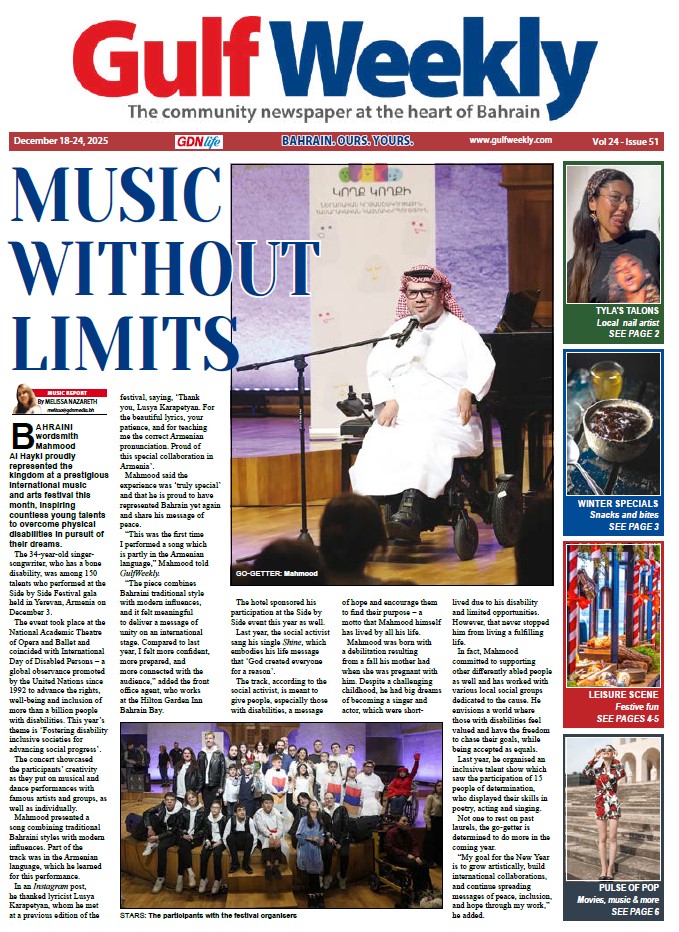
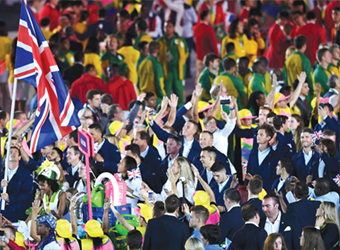
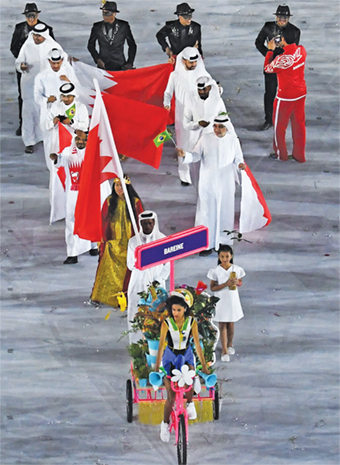
It was fun to watch each of the 206 countries’ delegates, like Palestine, come out in the Maracana Stadium, even if it was in a seemingly random order thanks to the use of Portuguese spelling rather than English this time.
Everyone looked so happy and proud, and it’s certainly true of the Olympics that athletes are unanimously delighted to be there and represent their country in the pinnacle of sport. No false smiles and media PR spin here while secretly they’re just after their next pay cheque or sponsorship deal.
The next day, the Games got under way for real, and it was appropriate that the US took home the first Gold of the 2016 Games, starting as they mean to go on considering they usually top the table at the end of it.
Even more appropriate, considering one of their current domestic critical issues, that it was in shooting. It was good to see 19 year-old Virginia Thrasher beat out her two fancied Chinese counterparts though, as everyone loves a fresh young face conquering the world, particularly an underdog that will soon be flying home to get back into the daily grind of a biomedicine degree.
There will be cheers too for the refugee team backed by the International Olympic Committee.
It was what Yusra Mardini left unsaid, rather than the conventional words of excitement, that made the bigger impression after the teenager’s debut in the Olympic pool on Saturday.
“I was only thinking about water and the last competitions and where I am now,” the Syrian, swimming for the refugee team, told reporters when asked what went through her mind ahead of her 100m butterfly heat.
The first of the refugees in action, she had looked down briefly before stepping on the platform.
“I left swimming for two years so now we are working to get back to my level,” said the 18-year-old, who won her heat of five swimmers but finished 41st overall, when asked how her time compared to previous ones.
There was no need to explain the two-year break in her career, or indeed what kind of water might have been on her mind.
Rio is a life away from where she started. To get to the point where she could discuss simple strokes and times involved fleeing Syria, making a treacherous sea crossing from Turkey to Greece and arriving in Berlin with her sister last year.
She swam part of that crossing over to the island of Lesbos, helping other refugees who were in the water and were unable to swim. “It was quite hard to think that you are a swimmer and you might end up dying in the water,” she said later.
Once a competitive swimmer at home, she has now met the Pope and been feted in Rio. “It was really cool and everything was amazing and everyone welcomed us,” she said of the opening ceremony, speaking as reporters crowded around.
“It was really amazing and an incredible feeling to compete here in the Olympics and I am happy and glad for that ... I’m really happy to be here and to see all of the champions and other swimmers here.”
She shrugged off a suggestion that all the attention around her might have prevented her from just enjoying the experience of the Games. “This is not difficult because all of those people want to show everyone what I’m doing ... and that we didn’t stop our refugee trip and it continues,” she said.
And then it was back to sport again. “I’m really excited for the 100 freestyle and I hope I’m going to swim better.”
The main event, however, will be the 100m track final and I imagine everybody, myself included, will be cheering on Usain Bolt regardless of nationality, particularly if it comes down to a huge showdown between him and drug cheat American Justin Gatlin.
Speaking of drug cheats, the Rio Games has been overshadowed in the build-up with the Russian doping scandal. Add to that the concerns over the Zika virus, conditions in the Olympic village and the waterways, and government corruption, the anticipation has been markedly different to previous Olympics.
The hype has seemed considerably diminished compared to last time, although to be fair I was living in England then, so for months in advance London 2012 build-up and previews were impossible to avoid in the media.
Still, once it gets into the swing of things, I’m sure all these issues will be swiftly forgotten about and we’ll be back to cheering and willing our favourite athletes and countries on with vigour.