The GCC’s booming population and growing tourism arrivals will continue to influence the exponential development of the region’s food and beverage (F&B) industry in the coming years, according to a new report, writes Stan Szecowka.
‘Feeding the Growing Appetite of the GCC F&B Market’, recently released by Orient Planet Research, examines the growing sector. Tourist arrivals account for a large and growing portion of the F&B demand.
In Saudi Arabia, religious tourists are the largest group of visitors who regularly flock to the neighbouring kingdom to perform Hajj and Umrah. On the other hand, leisure and business, or both, are major factors that are driving tourism in the UAE and Bahrain.
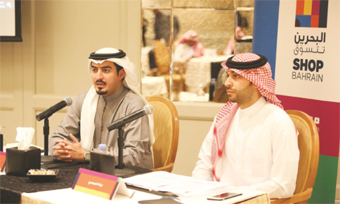
And the Bahrain Tourism and Exhibitions Authority is currently focusing on positioning the island as a ‘prime wedding destination’ in the coming years. “The tourism sector in the kingdom boasts a wide range of offerings and benefits and our plans to focus on the wedding sector is a part of the diverse portfolio that Bahrain can offer its visitors,” Shaikh Khalid bin Humood Al Khalifa, chief executive of the Bahrain Tourism and Exhibitions Authority told a meeting of hotel executives, as reported in GulfWeekly.
Overall, regional tourist inflows are expected to accelerate at an annual average growth of 7.8 per cent between 2014 and 2024, adding to the demand for food and fuelling the dining out trend across the region.
On top of the thriving tourism sector, GCC member states are also witnessing rising investments from food processing companies eager to take advantage of substantial market opportunities here. Further, with the GCC’s limited food production due to its arid climate, less arable land, and water scarcity, the report sees importation to be continuously on the upswing just to meet the food demand of a growing population and visitor numbers.
As it is, about 70 per cent of food products in the GCC are imported, with cereals comprising 55 per cent of total imports, reveals a recent Frost & Sullivan analysis. Imported foods are locally processed for consumption and re-export.
Significant opportunities have subsequently opened up in the region, particularly for allied industries such as processing machinery, packaging and logistics. The GCC as a result plans to increase investments in the manufacture, final packaging and distribution of goods.
Mondelez International, for example, the world’s leading maker of chocolate, biscuits, gum and candy, is investing $90 million in building a biscuit plant in Bahrain to meet rising demand in the Middle East and Africa for leading brands such as Oreo, Ritz and TUC biscuits.
Nidal Abou Zaki, managing director, Orient Planet Group, said: “The flourishing regional F&B industry is offering a myriad of opportunities to global investors looking to widen their horizon in the GCC.
The demand is increasing without let-up and there lies bright business prospects for F&B companies.” One of the latest trends dominating the market is the increasing health awareness and taste for a westernised palate – which is changing the region’s dietary habit and stimulating the demand for organic and international foods.
The report cites projections showing the GCC’s organic food market hitting the $1.5-billion mark by 2018. Amidst the bright prospects, the report maintains that businesses entering the market must have the right channel, the right partner and the right positioning to smoothly and effectively establish a presence in the region.