I watched a short film online yesterday, (https:// wakeupfreakout.org/ film/tipping.html) and it got me thinking, we really should be doing something about the culture of waste that exists in Bahrain.
Let’s be honest, some countries are more aware of recycling than others and since this unique island kingdom is in danger of becoming a large landfill site, teaching children in Bahrain about the importance of recycling and how it can make a difference to a country’s general health, wealth and wellbeing is of great importance.
The film is perfect for children because it is direct, animated and only 12 minutes long. In that time, however, it explains the reasons behind global warming and most importantly, the impact it will eventually have if we don’t begin to address the problem in countries like Bahrain.
We may be small, but we can set a trend. Is it possible to teach environmental issues in schools without it ending in children making ‘Save our Planet’ or ‘Stop dropping litter’ posters? Of course it is, but we’ve all done that some time.
The thing is, teaching about environmentalism should be more fun than that and getting children to physically apply their learning to real life situations is a far greater means of attaining understanding than just being told about the problem and that reminds of a lesson I saw back when the thought of recycling was in its infancy.
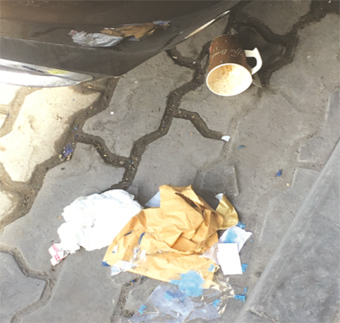
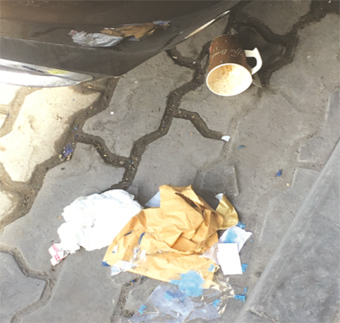
In a Year 7 class, the teacher taught a lesson about how humans can have both positive and negative impacts on their environment in a truly original way. The children entered their classroom after playtime to find it strewn with litter - banana skins, leaves, drink cans, newspapers, fast-food wrappers and so on.
They believed the teacher when he said it had blown in from the street, because he was so convincing. After the initial drama, the children began the big clean-up. They then discussed their feelings about the rubbish.
They went on a trip around the school and completed a survey of manmade litter found on the street. They contrasted this with the number of public bins and photographed the evidence. The next session involved building charts of the types of litter discovered.
This led to an investigation into where it may have come from. Children worked out which shops and streets were the most likely culprits, and used the evidence to write emails to community groups, fast food outlets and their GulfWeekly, the local community newspaper.
Through two afternoons, they linked geography and citizenship to science, English and maths. Children completed fieldwork and became truly aware of the impact humans can have on their environment because they truly experienced it firsthand.
The biggest influence on children is their parents and the habits they pick up from an early age stem entirely from the influences of home. Parents, of course, were also influenced by what they saw around them as children, but human understanding is evolving and this generation of parents know a lot more about how their habits.