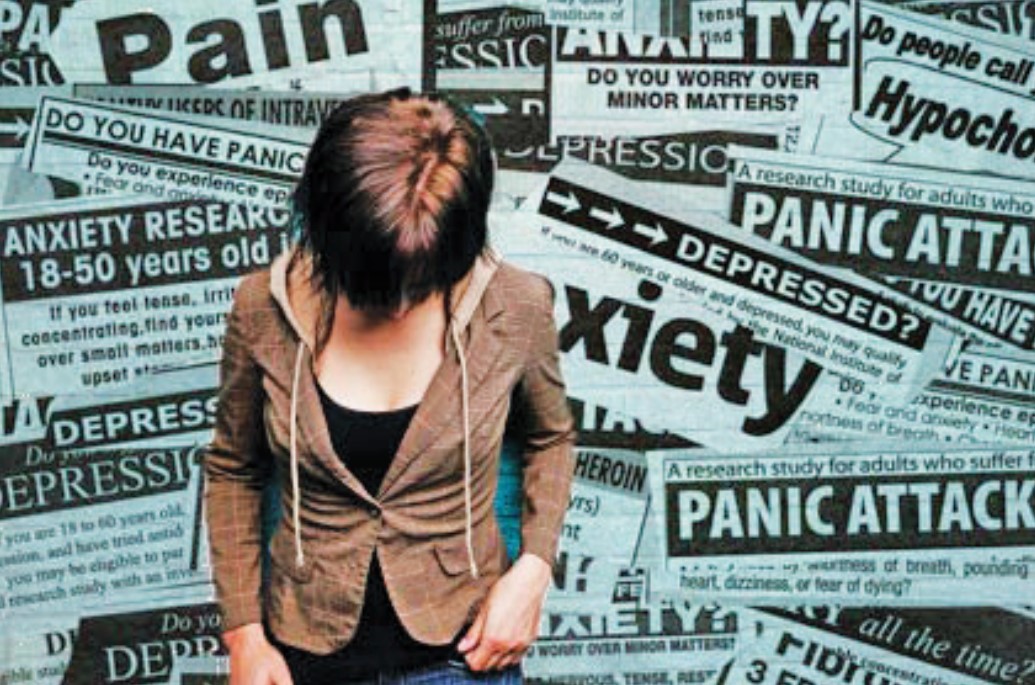
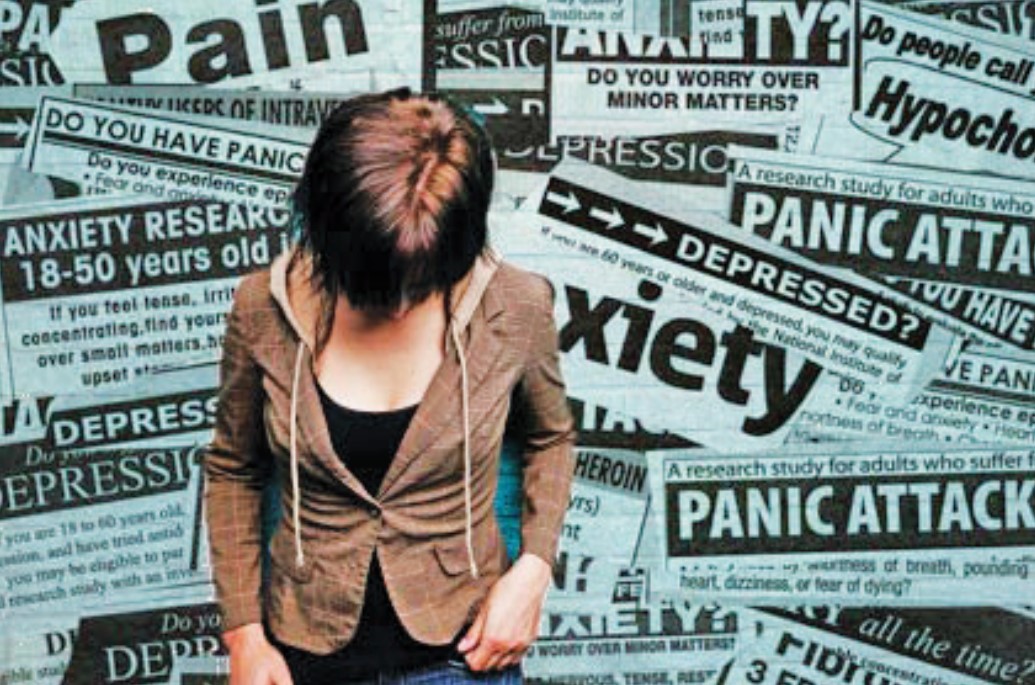
It is estimated by the Mental Health Organisation that a staggering one in 10 children suffer with mental health issues during their childhood.
Factors that contribute to this phenomenon are varied and, of course, can change from case to case but since children’s mental health is equally as important as their physical health, this is a statistic that is very dangerous to ignore.
There are very clear demonstrable signs that those suffering from depression and anxiety disorders display but sometimes they can be subtle and easy to ignore as we all get on with our busy lives.
Some of the warning signs can speak louder than others and this is something that I believe teachers and those who work in educational settings should be more overtly aware of and indeed actively look out for in children and young adults.
According to the Anxiety and Depression Association of America, some of the more common factors to look out for are:
•Irritability
•Difficulty sleeping or concentrating
•Changing behaviour patterns at school
•Changes in eating habits
•Feeling worthless or restless
•Frequent sadness or crying
•Withdrawing from friends
•Loss of energy / self esteem
Those of you who have endured the teenage years as parents will know that many of these symptoms can be the classic hormonal signs of puberty and will be therefore less easy to spot, but since there is no particular type of person who is more likely to suffer from mental health issues and since education is always the key to spotting signs before it is too late, I believe that schools and all who work within them have a duty of care to be aware of these signs, look out for them and ultimately be equipped to help if required.
One way of identifying the issue is to determine the length of time that symptoms last. We all experience the blues from time to time, but more prolonged symptoms can be an indicator of a clinical depression.
If teachers or those in schools do begin to pick up on significant changes in children or young adults then both monitoring and communication are the strategies to adopt. Monitoring ongoing behaviour can give hints to issues at hand and communication with other professionals such as the school counsellor or the school nurse can share the concerns and possibly offer some insights.
Finally, sometimes just reaching out is the key and giving children and young adults acceptance and permission to talk can be the catalyst to them opening up honestly about how they are really feeling.
Depression is also a phenomenon among adults as well with the World Health Organisation claiming that 650 million people suffer from depression or have experienced depressive episodes across the world.
This statistic alone raises the question of how we care for one another.
Knowing first-hand the dangers of ignoring mental health symptoms I urge you to get to know your colleagues, friends and neighbours a little better so you will be more aware should the subtle changes that take hold begin to show themselves.