




As a wave of emotion washes over the kingdom, many are exploring creative avenues to bring alive their deepest thoughts amidst the looming uncertainty of the current situation.
Bahrain-based talents have been showcasing poignant personal
interpretations of the ongoing war on their social media pages, which reflect
diverse emotions like patriotism, resilience, faith and more.
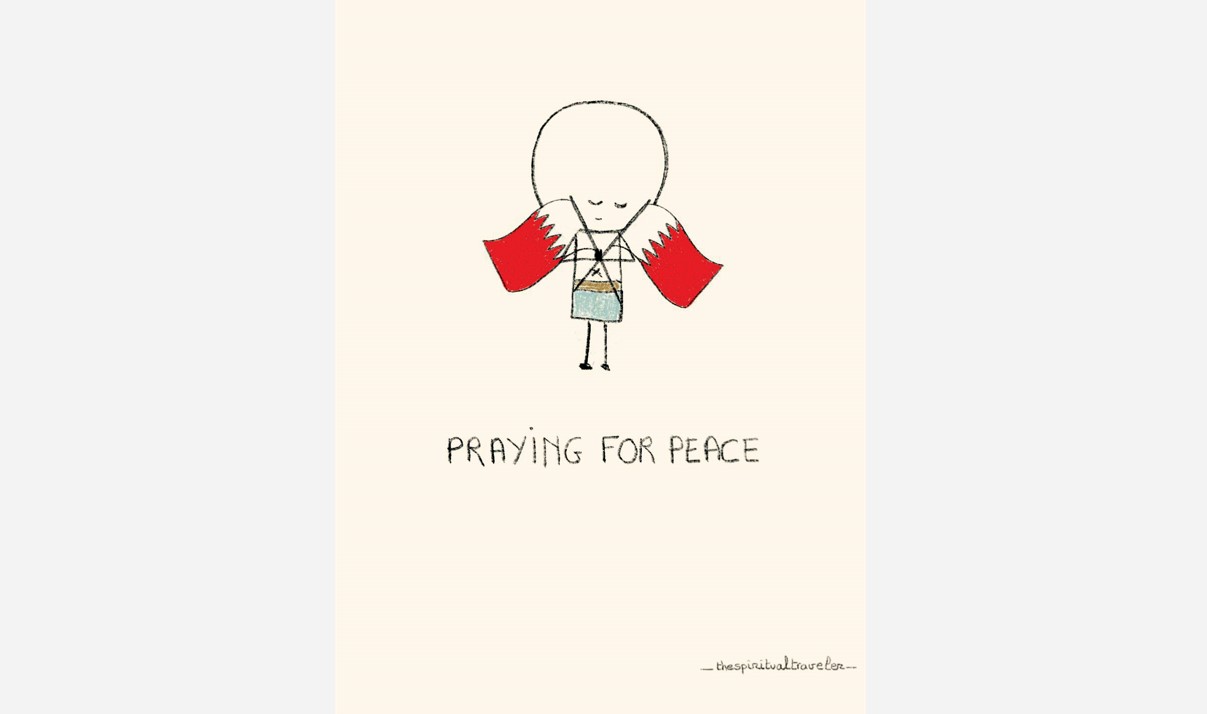
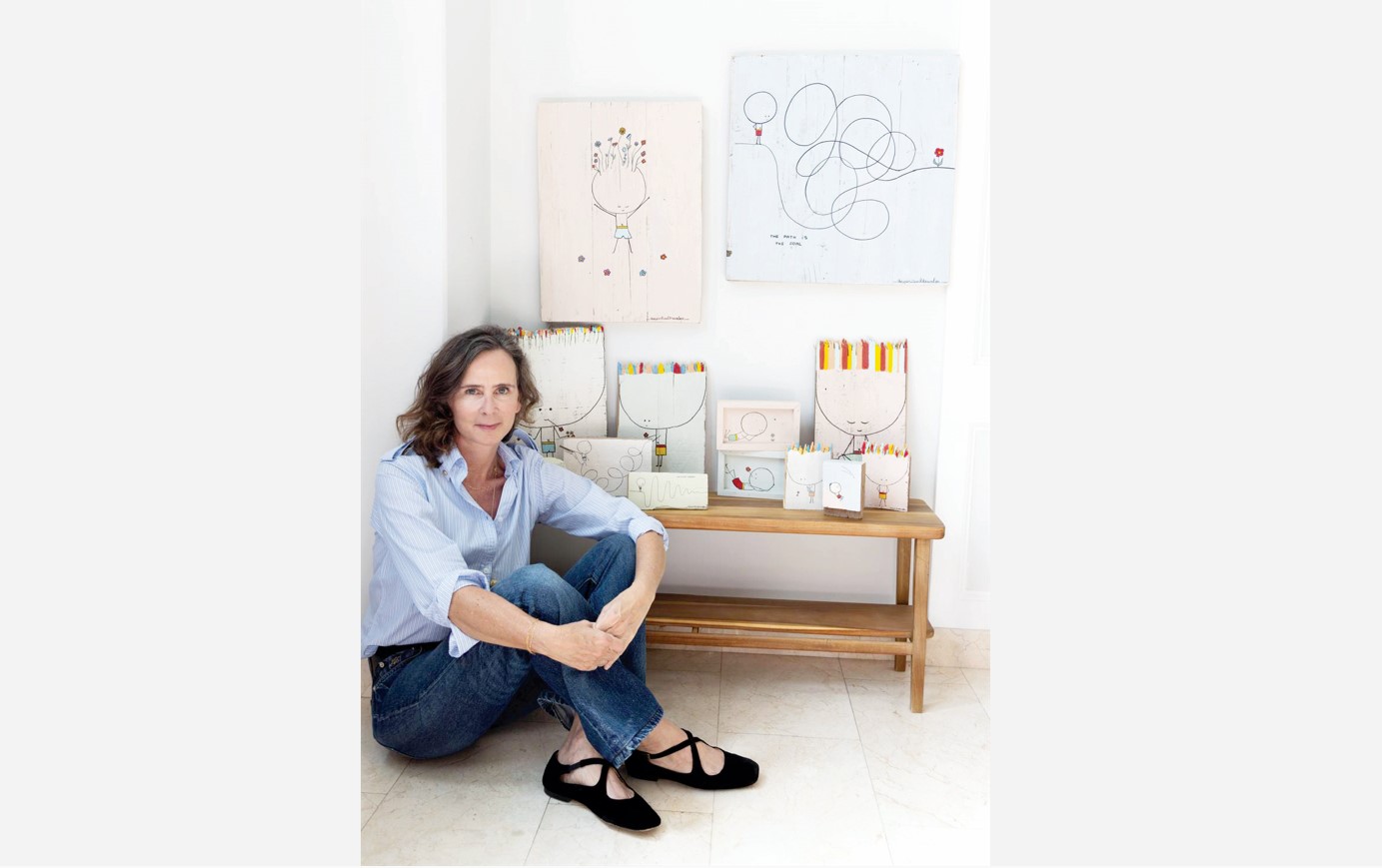
French expatriate, artist and designer Virginie Dreyer’s
digital animation shows a small character holding Bahraini flags and praying
for peace.
“This drawing came from an emotional place and I drew this
small character as a way of expressing a collective wish for peace,” the
54-year-old told GulfWeekly.
“The gesture is very minimal – like a silent prayer.
“The last few days have felt a bit surreal. In some ways,
the situation felt strangely familiar – we were staying at home, and there was
a slight feeling reminiscent of the Covid lockdown,” added the entrepreneur,
who owns a jewellery brand.
“It created a strange mix of confinement-like stillness and
intense auditory overstimulation, combined with anxiety about what the future
might bring.”
The Iranian airstrikes on Bahrain and the region began on
February 28. Since then, several landmarks, including residential buildings,
have been affected, with many families fleeing their homes.
The ongoing crisis has not only resulted in loss of life and
property, but also taken a serious toll on residents’ mental health. Virginie
also found herself navigating stress and anxiety. What helped her was keeping
her daily yoga practice consistent, sharing meals with friends in the evening,
and continuing to draw during the day.
Describing her piece, the Saar resident said: “The animation
is hand-drawn. I like the imperfections of hand-drawn animation because they
make the emotions feel more human and immediate.
“The characters in my drawings are intentionally simple and
somewhat anonymous. They are not meant to represent one specific person. I
often think of them as a kind of ‘inner traveller’ – a small figure moving
through emotions, thoughts, and experiences.
“In that sense, they can be fragments of my own life, but
also reflections of what many people might feel. Their simplicity allows
viewers to project their own stories and inner journeys onto them.”
Art is often biographical or inspired by our observations of
other’s lives. This is perfectly summarised by Russian writer Leo Tolstoy. An
excerpt from his essay entitled What is art reads:
‘To evoke in oneself a feeling one has once experienced, and
having evoked it in oneself, then by means of movements, lines, colours,
sounds, or forms expressed in words, so to transmit that feeling that others
may experience the same feeling – this is the activity of art.’
Art can also be therapeutic, as established in several
studies, and help navigate emotions like stress, anxiety and depression.
Bahraini visual artist Dwa bint Khalid Al Khalifa had a
similar experience creating her digital sketch, which helped her transform fear
into focus.
“The process of drawing became grounding and steadying. It
helped me channel overwhelming emotions into prayer, hope, and constructive
expression,” the 38-year-old noted.
“During this period, I felt a profound sense of loyalty and
protectiveness toward my country. There was anxiety in the atmosphere, but also
unity among people.”
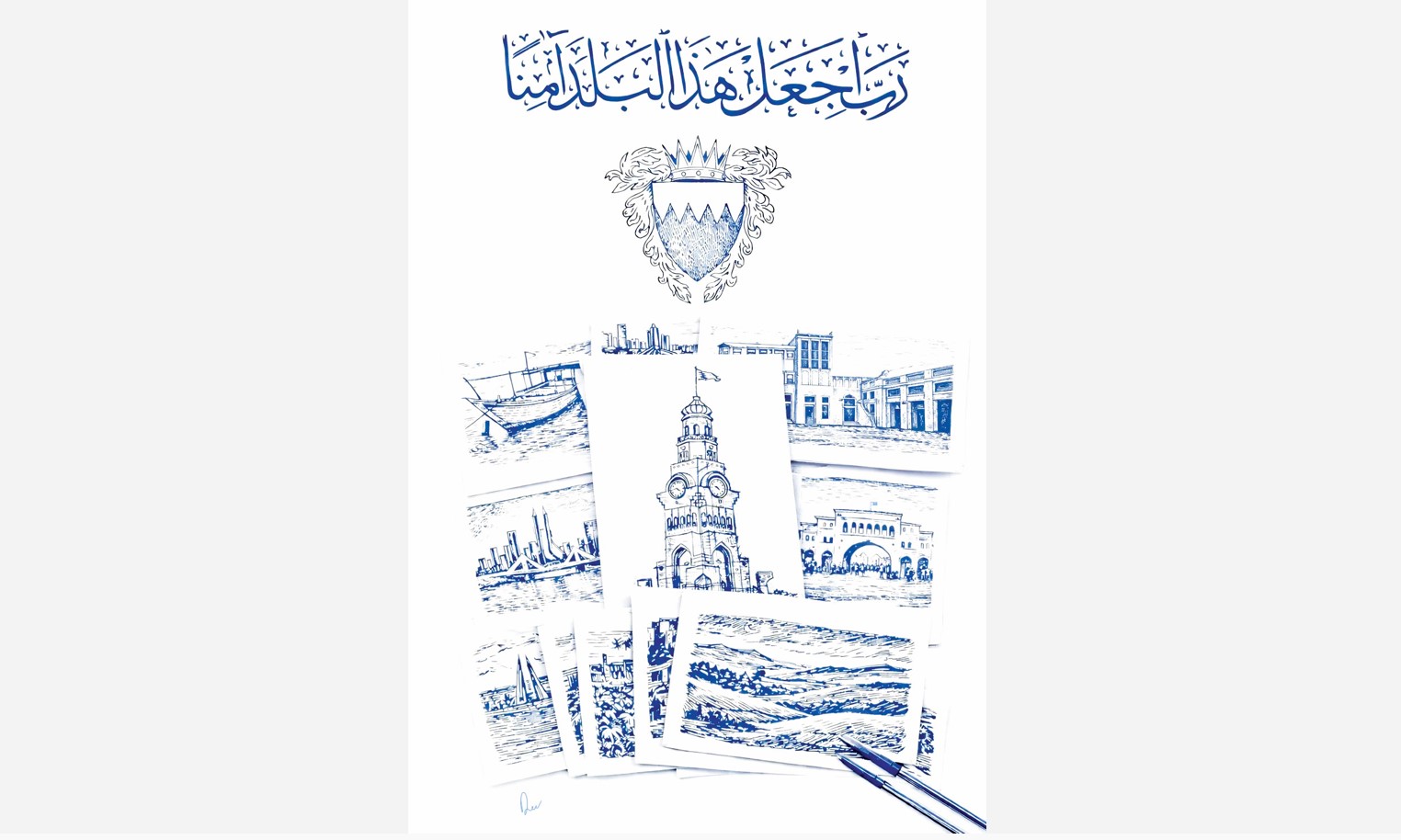
The Master’s in Arts specialising in Fine Arts from London
Arts University created her piece to mimic a blue ink pen sketch – a deliberate
choice to preserve the tactile quality of traditional line drawing.
On the top, there is an Arabic script, which translates to
‘God make this country safe’. Dwa notes that it is a prayer for protection and
peace rather than a political statement. The piece also reflects iconic
landmarks in the kingdom, and the coat of arms of Bahrain.
“The crest (coat of arms) symbolises heritage, continuity,
and resilience. Through this composition, I express loyalty, faith, and hope
for collective safety,” added the National Arts Council member from Riffa, who
draws inspiration for her art from Bahraini architecture, heritage, and lived
experience.
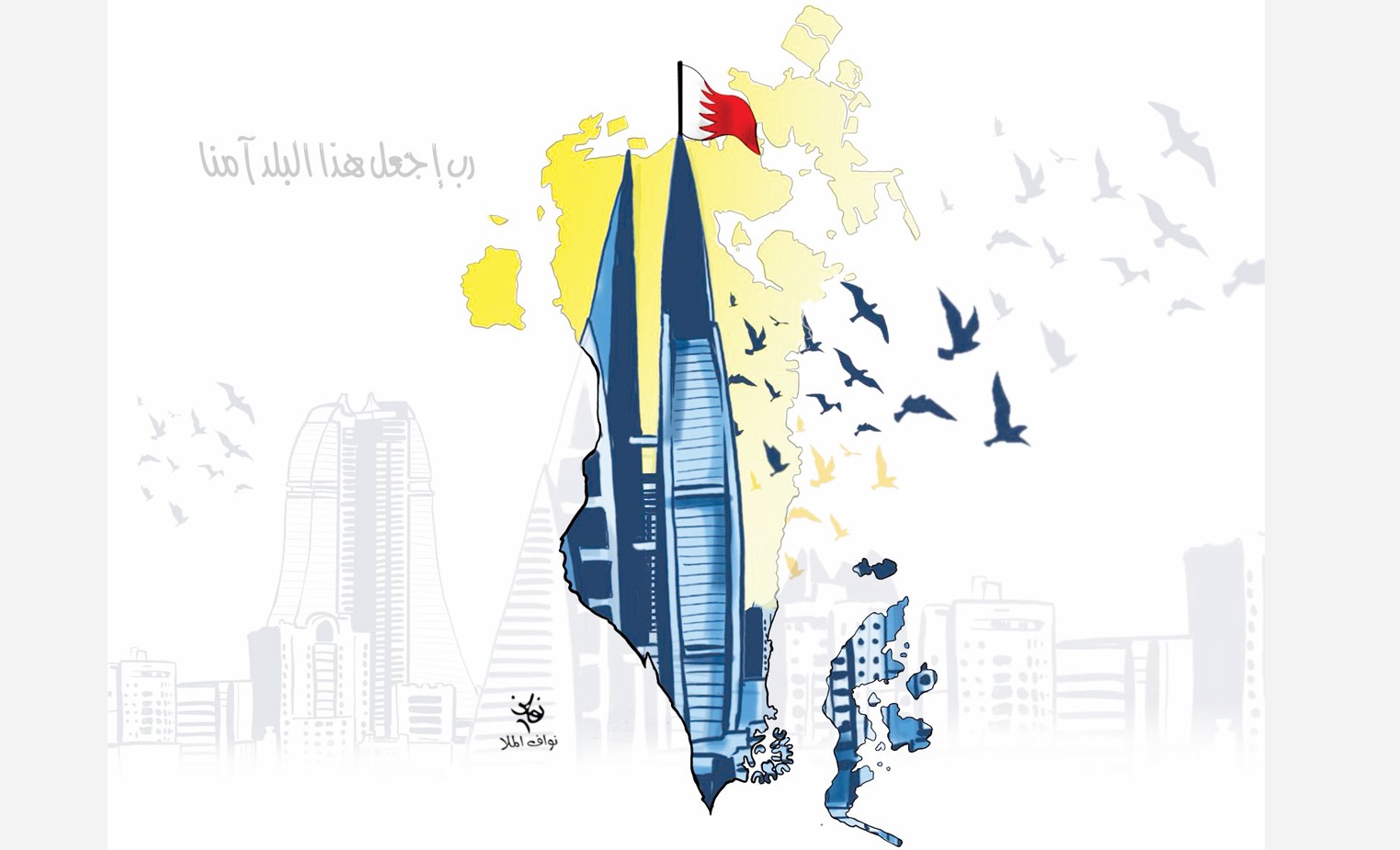
Cartoonist Nawaf Al-Mulla’s creation also nods to the
kingdom’s prominent structures and brings alive the breathtaking skyline.
“As a cartoonist, after all these years in the field, I find
that events guide and inspire me,” said the 42-year-old Bahraini, who has
illustrated for reputed newspapers.
Nawaf is the recipient of the 2021 Arab Journalism Award for
best press cartoonist in the Arab world.
His recent artwork symbolises the kingdom’s development and
prosperity. The artwork as a whole is monochromatic, but the point where the
map meets the buildings is fully coloured. The birds reflect peace and
stability. The text on the top is part of a verse from the Holy Quran, which
means ‘My Lord, make this city safe/secure’.
“My feelings at this moment are mixed, but I believe in
God’s will and trust in Him first, then in the leadership of my country and the
awareness of its people,” he added.
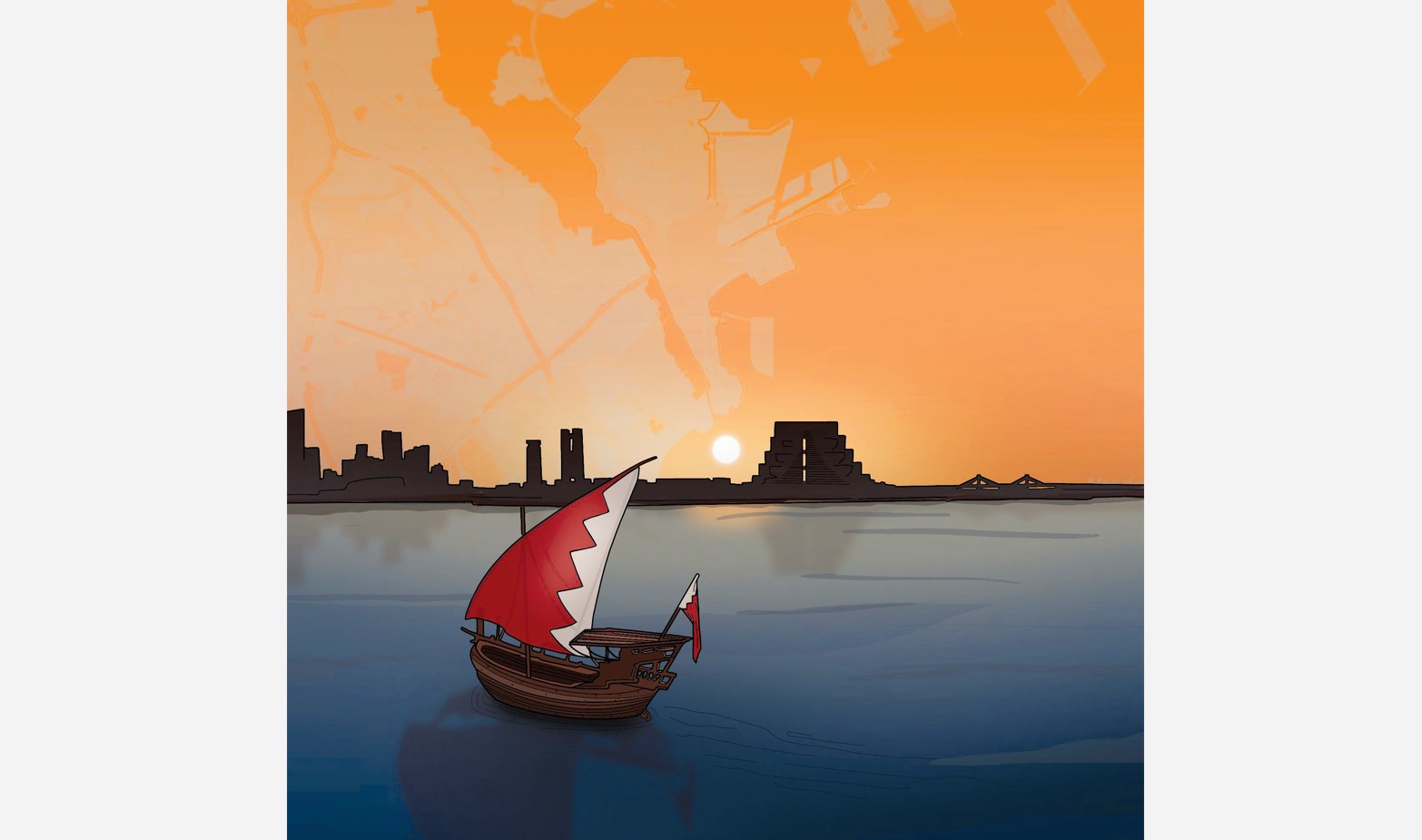
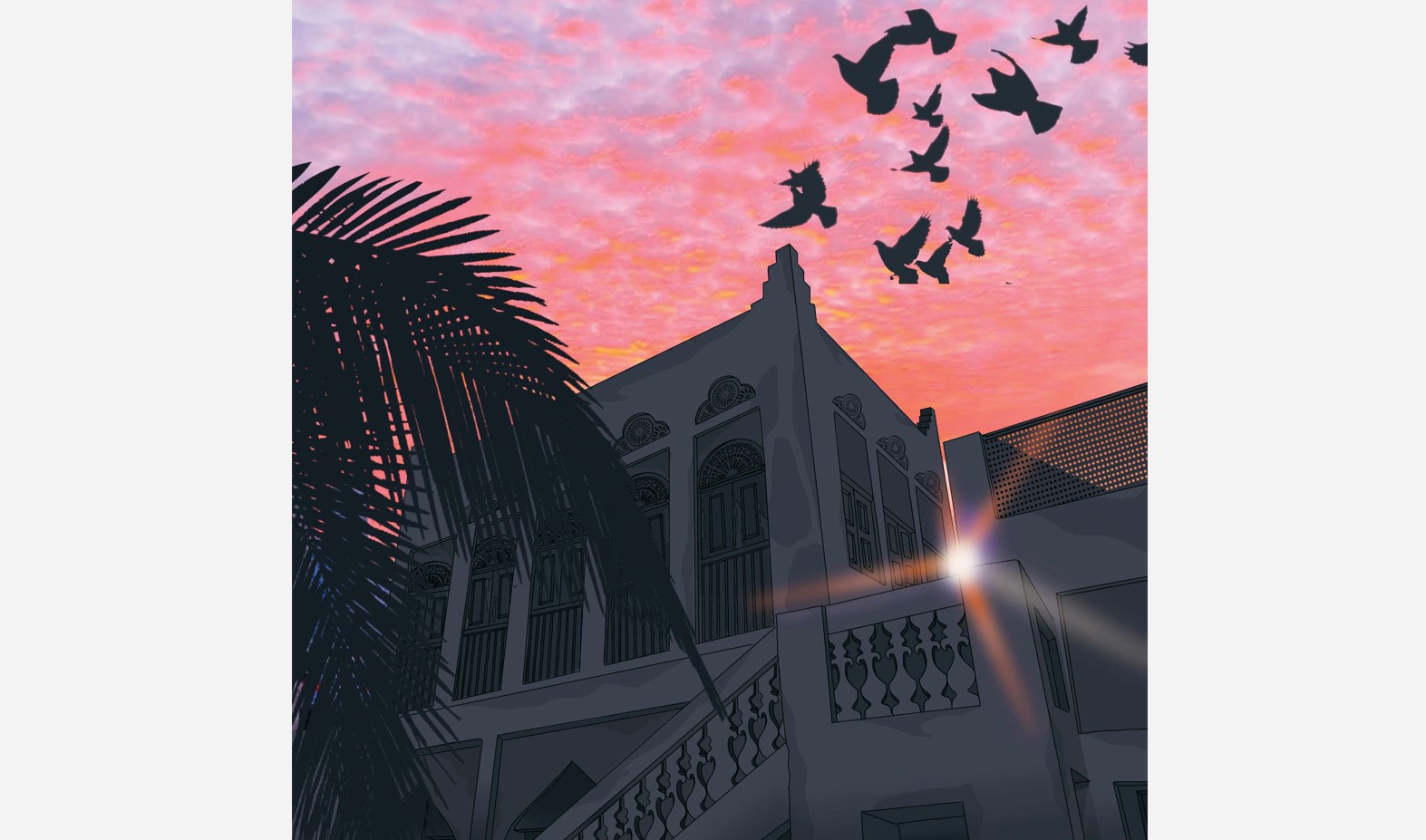
Bahraini business development manager and digital
illustrator Ahmed Fuad, who creates under the art identity The Thick Line, has
taken to everyday places and scenes for his pieces as people can easily
resonate with them.
“I enjoy illustrating familiar spaces using vibrant colours.
These are places many people recognise and connect with, often carrying
personal memories,” he said.
The 36-year-old Isa Town resident often draws inspiration
for his art from everyday life, surroundings, and personal experiences. Music
and memories also influence the mood and direction of his work. Ahmed has
created three digital works, including one inspired by the unfortunate events
in Sitra. This piece has the Sitra map in the background.
Earlier this week, a drone attack in the area injured 32
Bahrainis including a two-month-old baby, which has evoked strong emotions from
the community.
“Art has always been a way for me to slow down and process
my thoughts. However, during these tough times, it can be difficult. Despite
that, I try to bring new pieces to life as a way of expressing how I have been
feeling. Working on these illustrations helped me channel those emotions into
something constructive,” Ahmed added.