A GULF-WIDE initiative has been launched to help develop new innovations and systems in the autonomous and eco-friendly vehicle sector.
All six countries have signed up to participate in an awards project instigated by The Emirates Authority for Standardisation and Metrology (ESMA) and entrants will be tasked with finding solutions to challenges faced in the region.
Abdulla Abdulqader Al Maeeni, director general at ESMA, announced that the major vehicle manufacturers worldwide - through the award - will adopt and sponsor the winning projects by developing and applying ideas and allowing the winners to pay onsite visits to vehicle production lines of these companies and check out the latest technology they are using.
He said: “One of the important aspects to be considered within the electric mobility system in the region is weather, which is very hot and humid during summer. Thus the durability of the battery, fast charging and the capacity of charging and wireless charging and disposal of batteries plays an important role in future mobility.”
“The automotive and transport sector faces a future that may radically differ from its present and past, especially as there are many trends and innovations ranging from decentralization in the field of energy and IoT and artificial intelligence, all of which combine together to radically transform the global transport and mobility ecosystem”, he explained.
“The digital and technical revolution in the automotive sector, such as self-driving and AI, has the potential to fully transform the mobility system. In ESMA we recognise that the real potential of these technologies cannot be fully realised unless the legislative and technical base is set for them.
“We contribute to achieving this vision by developing the necessary regulatory frameworks and infrastructure for technical legislation and standard specifications.
“The transformation of the region’s mobility sector and supporting fast adoption of green, smart and autonomous transport systems and mechanisms have been part of the vision of making the GCC a global centre.”
Accordingly, GCC bodies will be given a certificate of conformity to the electric vehicles.
Bahrain has been leading the charge in recent months. At the Mobility 360 Innovation in Sustainable Mobility Conference held in Sanabis in September, plans were announced to launch an experimental station to charge electric cars early next year, as part of efforts to reduce carbon emissions.
This new award initiative is divided into three categories. The first covers sustainable mobility, which will enable projects that care about reducing gas emissions and other air pollutants, through increasing reliance on clean energy.
The second category is digital innovation, which relies on the use of solutions and applications to improve connection and communication between vehicles, and translates the vision of smart and sustainable cities.
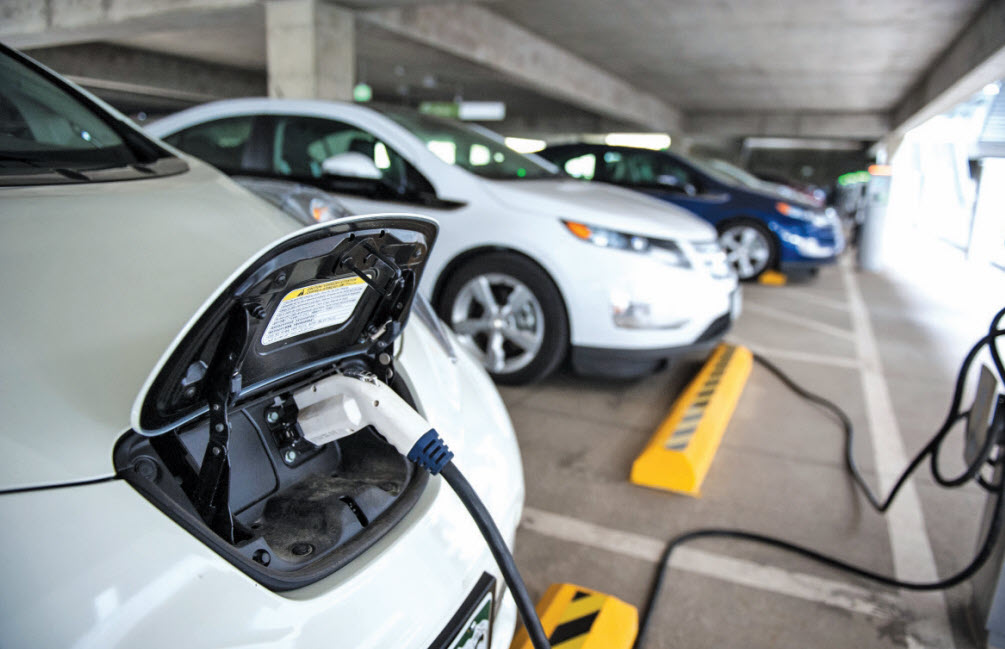
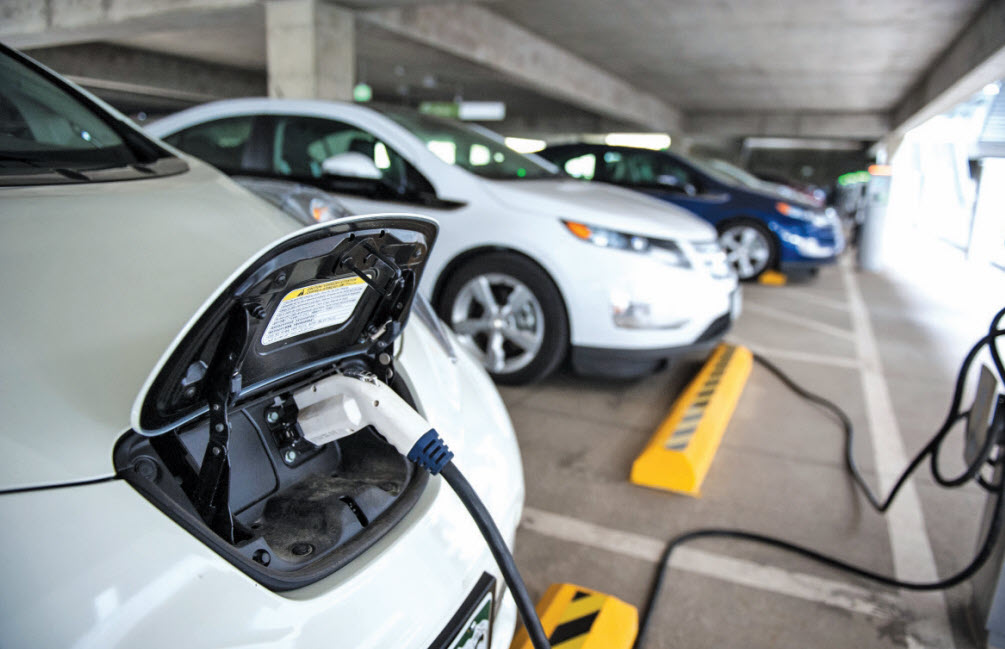
The third category addresses the green infrastructure, which includes projects such as batteries, charging systems and stations, safe disposal of batteries in an environmentally friendly manner.
Along with the announcement, an exhibition in the UAE featured 450 delegates from 18 countries showcasing the latest technologies. Government agencies, auto manufacturers and suppliers of infrastructure solutions presented their initiatives and products.
An electric vehicle (EV) may be powered through a collector system by electricity from off-vehicle sources, or may be self-contained with a battery, solar panels or an electric generator to convert fuel to electricity.
EVs were among the earliest automobiles, and before the pre-eminence of light, powerful internal combustion engines, electric automobiles held many vehicle land speed and distance records in the early 1900s.
In the push for a greener environment, they have shot back into fashion and industry trends are increasingly aimed towards hybridisation, and eventually, fully electric cars charged at mobile power stations.
It is believed that the region’s reluctance to accept electric cars to date is because batteries discharge much more quickly when temperatures are high, thereby reducing the driving range drastically.
Further details of how to participate in the awards project will be revealed shortly.