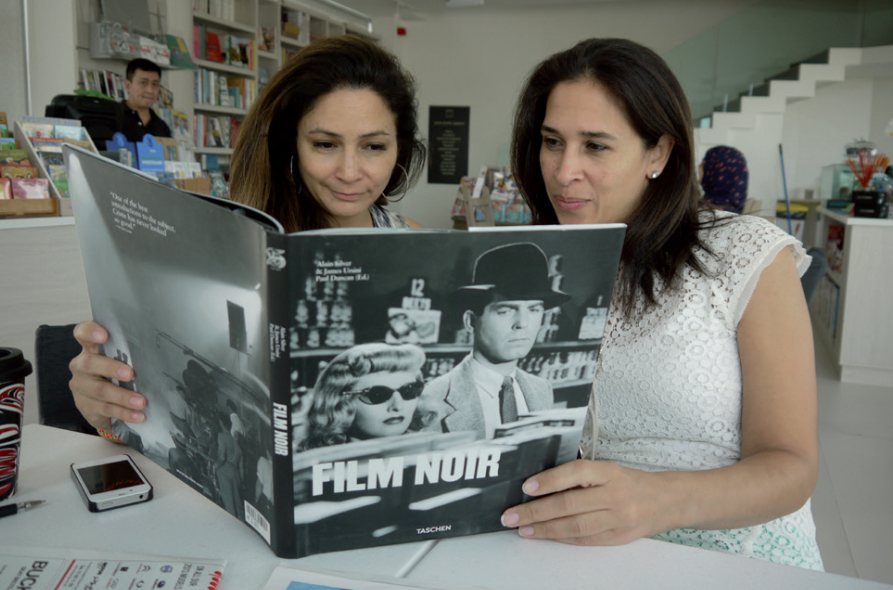
After seven and a half wonderful years, Words will be closing its doors on Friday.
It has been such a joy and privilege to be part of this wonderful community that appeared around us but for now our lives are leading us in other directions.
We are beyond grateful to all the people who have been a part of Words, from our storytellers who enthralled children every weekend to our workshop facilitators who enriched us with their knowledge; from the amazing creative forces behind our pop ups to our authors who gave up their time to let us into their world; our local vendors who supplied us with delicious goodies and our customers who supported us over the years. Above all, we are grateful to our amazing staff without whom none of this would have been possible.
We have loved watching the collaborations that happened over a cup of coffee in the café and the wonderful relationships that have formed here. The gorgeous babies who we’ve watched grow up here, the mothers who dropped in for a moment of calm, the professionals bent over their laptops for hours and the ecowarriors ready to save the world.
We will miss you all.
Rana Aljalahma and Eileen Abuhamad.
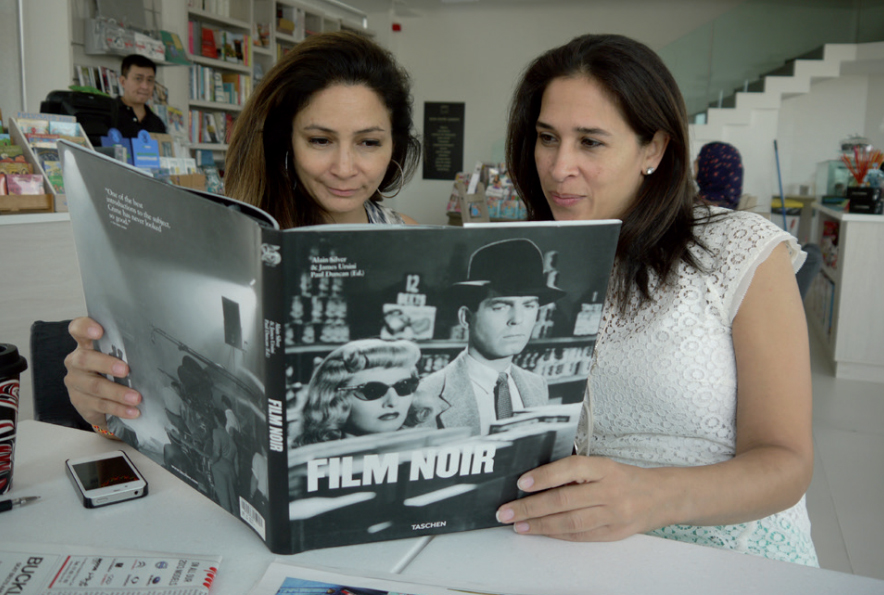
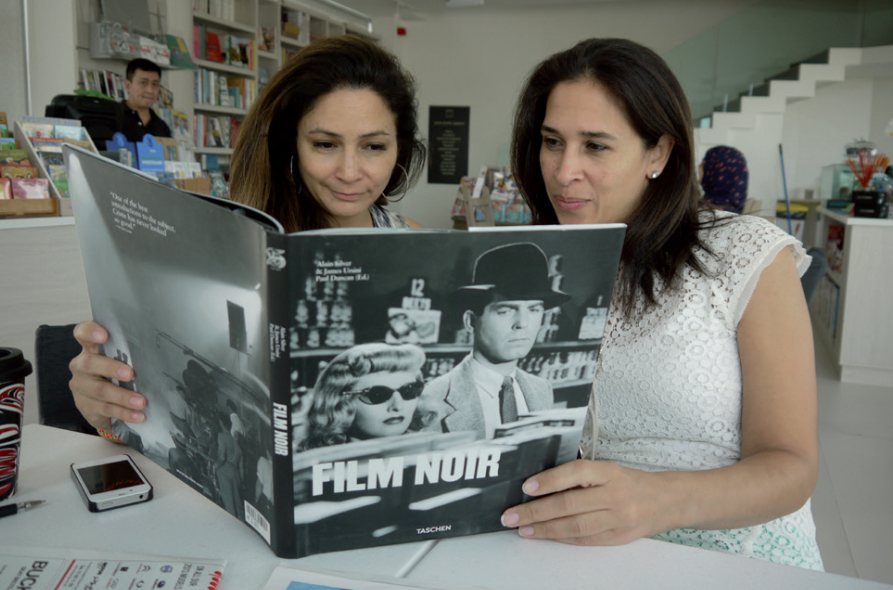
Editor’s note: Any outstanding Words vouchers should be used by Friday and all books and toys are 75 per cent off until that date. Above, flashback to our opening review.
With the start of Ramadan, many of those who fast during the Islamic holy month will also change their sleeping hours to accommodate meal times. However, if this is done without thinking about how important a good night’s sleep is to our bodies, it can make fasting more difficult.
This is not just because lack of sleep affects our ability to function, but also because sleep regulates the hormones that control our appetites.
There are three important factors underlying quality sleep: a consistent sleep schedule, a sufficient period of uninterrupted sleep, and good ‘sleep hygiene’ habits such as turning off screens, having a dark and quiet sleeping space, and allowing adequate time to relax before bedtime.
Some people will change their habits drastically during Ramadan, and how they do this will depend on their lifestyle and commitments – such as work or family.
It is impossible to say that one pattern is better than another. However, no matter which approach they adopt, there are steps people can take to help themselves get enough sleep during the month and to readjust more easily to their regular schedule afterwards.
Here is advice for three common sleep patterns for Ramadan:
• Sticking to the normal daily routine, but interrupting sleep for Suhoor and Fajr
This person will find it easiest to readjust after Ramadan. Depending on the daylight hours where they live, they will probably get seven to nine hours of uninterrupted sleep and supplement this with a quick nap after Fajr. It is also good in establishing a routine, as the person will consistently wake up at almost the same time every day, as opposed to sleeping in on weekends.
• Using reduced working hours to nap before Iftar
Working hours are reduced during Ramadan, so people will leave work early and nap until it is time to break their fast. As Ramadan is a contained time period, there is no need to worry about the long-term effects of this sleep pattern, however, it is essential to be consistent and adopt the same pattern throughout Ramadan.
It is important to have a continuous period of five or six hours of sleep if you can’t get a longer time. So even though you might nap in the afternoon, ensure you go to bed early enough to get a sufficient block of solid sleep.
After Ramadan, gradually reduce nap time and stop after a few days. Increase the amount of time in bed at night to get back to the normal one-solid-block-of-sleep schedule.
• Turning night into day
For people who don’t work or are able to work at night instead of the daytime, this might be the preferred option. However, it will make the adjustment period after Ramadan difficult for about two weeks. They can ease the process by adjusting their sleeping hours back to normal by a little each day, rather than a drastic change. In addition, during Ramadan, they should simulate a night time environment through keeping the bedroom dark and practice good sleep hygiene including no screen, no noise and a comfortable ambient temperature.
Vaishal Shah, MD, Cleveland Clinic’s Sleep Disorders Centre.
Spring of Culture wraps up yet another year of exciting shows, mesmerising performances and educational workshops.
Some of the world’s most famous musicians took to the stage, including superstars such as Sherine Abdel-Wahab and Waleed Al Shami, veteran Khalid Al Shaikh and US pop star Jason Derulo.
This year was a milestone year for scientific exhibitions, with CERN in Bahrain being held for the first time. Several educational workshops were also held that covered a wide range of interests such as calligraphy, theatre, public speaking, sand art and much more.
Thank you for another great year!
Spring of Culture team.
Bahrain Red Crescent Society has completed its Ramadan aid distribution to more than 4,000 needy families in 73 different areas of Bahrain.
We are proud of our volunteers for their considerable effort over 17 days receiving families, making sure their names matched the Society’s lists, handing out aid and carrying out other procedural processes.
I would also like to thank all the companies, institutions, citizens and residents of the Kingdom of Bahrain for their generous donations and support.
Mubarak Al Hadi, Bahrain Red Crescent Society general director.