People are biting off more than they can chew, resulting in 1.3 billion tonnes of food wasted annually around the world.
And according to a United Nations Environment Programme 2021 study, around 250,000 tonnes of leftovers are thrown out annually in Bahrain – making it the top Arab country in food wastage and the fourth in the world.
So how does one tackle this issue … here is some food for thought, upcycle it!
As defined by the Upcycled Food Association (UFA), upcycled foods use ingredients that otherwise would not have gone to human consumption, are procured and produced using verifiable supply chains, and have a positive impact on the environment.
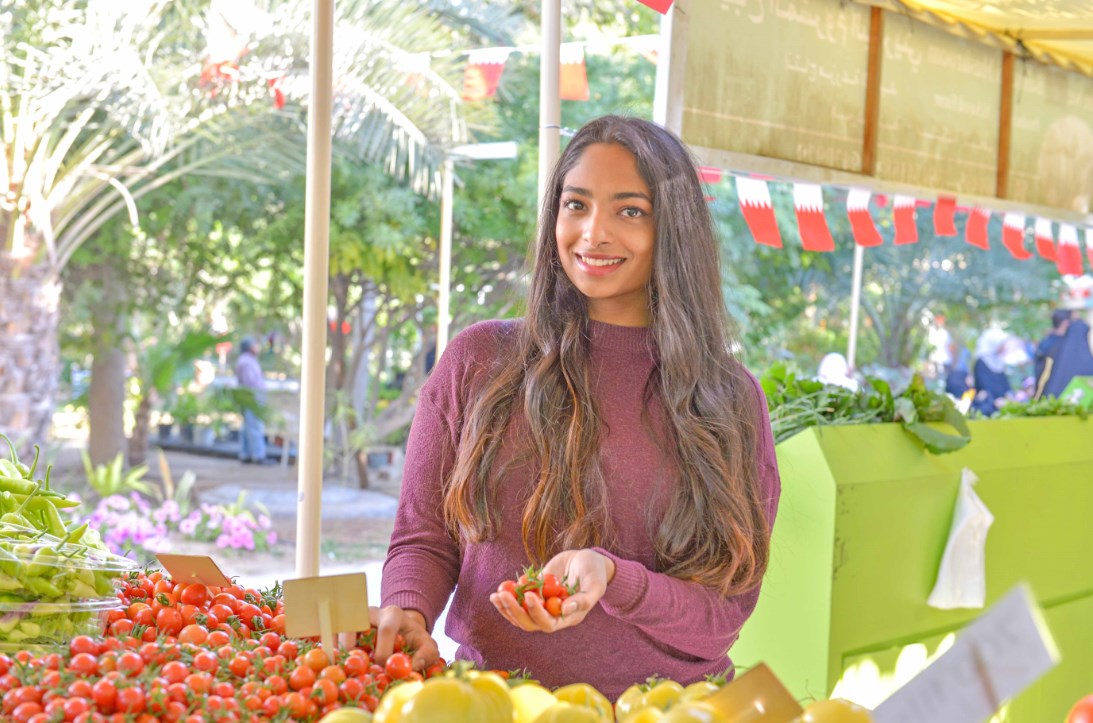
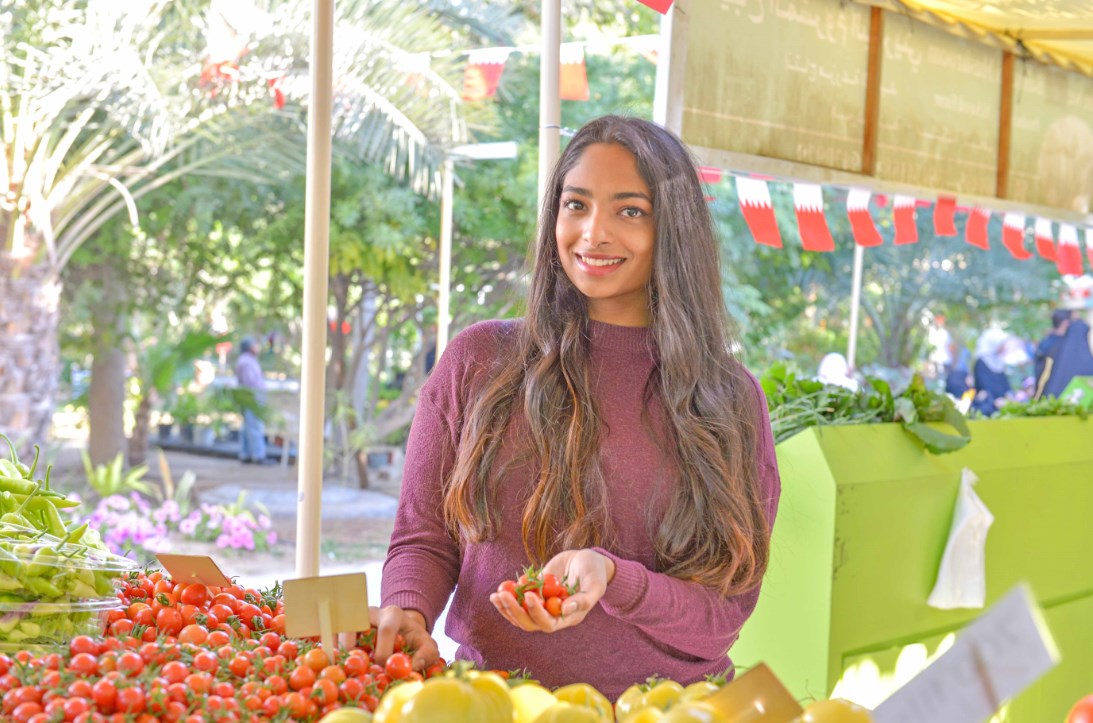
“Food waste is one of the largest man-made causes of greenhouse gas emissions,” said vegan Shivani Sathasivam, founder of the Plant Based Bahrain organisation.
“We waste about one-third of the food we produce, in the supply chain, over-buying produce and wasting crops.
“Upcycling can be a great way to use food that is perfectly suitable for consumption that would otherwise be thrown away and lead to emissions.”
Upcycling food will help feed a growing population without increasing deforestation or putting extra pressure on the environment. Also, 28 per cent of agricultural land goes to grow food that is never eaten. The auditable supply chain ensures that upcycled food is truly helping to reduce waste by utilising all the nutrients grown on farms, helping farmers get more value out of their land.
Globally, people lose around $1 trillion per year on food that is wasted or lost. Upcycled food captures that value, and leverages it to create a sustainable and resilient food system.
Shivani, 24, who consults on sustainability and plant-based products through her company New Normal Consultancy, reuses ingredients in several ways herself.
“When preparing veggies, save the peels and the stems and freeze them until you have enough at the end of the week to make a flavourful broth by adding water, maybe some miso or salt, and simmering it for an hour or so till it creates a rich flavourful broth,” she said.
“Old bananas can also be used in banana bread, peeled potato skins can be made into crunchy snack crisps, nut pulp from making homemade milks can be used in smoothies, energy bars etc. I made carrot cake with some leftover carrots I had in my fridge. Simply use your creativity!
“Several start-ups are upcycling food and creatively turning food waste into food, cosmetic and other products.”
For example, edible cutlery called Spoontainable are tiny edible spoons made in Germany using leftover raw remains of oats and cacao shells.
Cacao is a superfood containing more antioxidants than blueberries and is a good source of iron, calcium, and magnesium. Oats feature fibre, vitamins and minerals that are also good for you.
Aside from sharing upcycling advice, Shivani is currently working on increasing the supply and demand for plant-based products in the country and hopefully the rest of the Middle East.