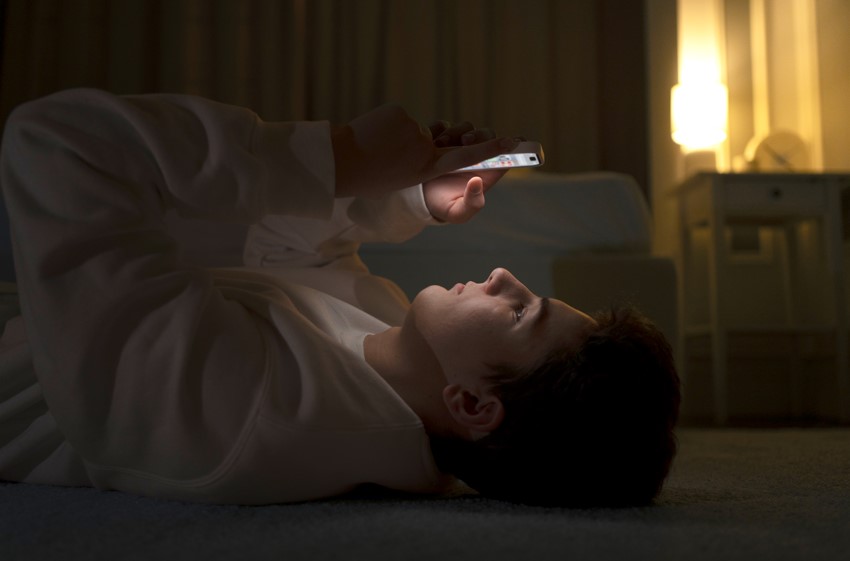
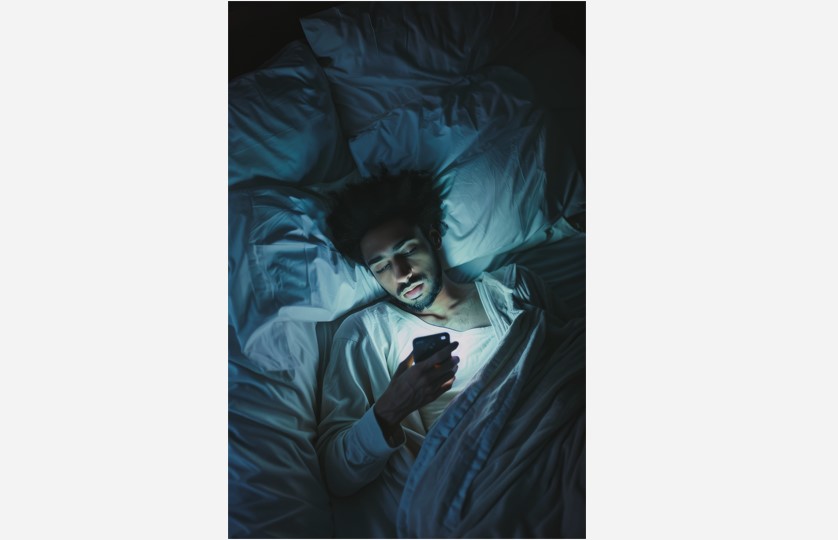
Bedtime procrastination or revenge procrastination has recently re-emerged as a buzzword on social media, highlighting poor sleeping habits among many as a major lifestyle problem.
The phrase refers to a phenomenon where a person voluntarily – and fully aware of the consequences – delays going to sleep. Instead, they spend time doing something they enjoy – reading, exercising, playing video games, binge-watching TV shows, or simply doom-scrolling – all because they didn’t have the chance to do it earlier in the day.
It stems from a lack of control over one’s time due to a busy or stressful lifestyle.
The most popular account of the term’s origin is its appearance on Chinese social media back in 2014 – as ‘bàofù xìngáoyè,’ which translates to ‘retaliatory staying up late’. Around the same time, a Dutch university coined the expression ‘bedtime procrastination’.
The danger, experts warn, arises when poor sleep patterns become an ongoing issue as they can lead to other problems, compromising physical health and optimal mental functioning.
“Chronic sleep deprivation can result in serious health-related issues,” Al Hilal Hospital Muharraq consultant neurologist Dr Roopchand P S told GulfWeekly.
“These issues are not particularly related to the brain alone. In the short-term, people may struggle to focus and experience headaches, irritability, poor work efficiency, gastric trouble, tremors and muscle twitches,” he added.
“Long-term issues include memory-related diseases like Alzheimer’s, depression and anxiety disorders. They also carry a higher risk of developing diabetes and hypertension, as well as stroke and heart attacks.”
These days, it has become the norm for people to check their phones before they sleep and going without gadgets for prolonged periods is ironically termed as ‘digital detox’ – when it should be the most natural thing to do.
Dr Roopchand highlighted how smart devices can cause sleep-related issues.
“Firstly, the blue light can suppress the release of melatonin from the brain. This hormone is very important for maintaining normal sleep and its rhythm.
“Secondly, if the content you’re consuming is something that causes arousal, like a thriller movie or a comedy show, it will make the mind active, causing difficulty in falling asleep. When you do this regularly, it will mess up your normal sleep rhythm,” he explained, adding that sleep is an important physiological function of the human body.
Dr Roopchand advised seven hours of continuous sleep for adults, around eight hours for children and adolescents and around five to six hours for older people, with a short afternoon nap.
There have been endless debates about how many hours of sleep are required to maintain optimal mind and body function. While most people need at least seven to eight hours, with up to 12 hours for children, there are many who thrive on much less – some even three to four hours.
“Different people need different amounts of sleep time, but in general, around seven to nine hours is considered good,” King Hamad American Mission Hospital consultant pulmonologist Dr Amit Panjwani noted.
“Anyone who faces sleep issues should seek help from a sleep specialist,” he added.
“Those facing sleep-related breathing disorders like snoring – leading to disturbed night-time sleep, including insomnia or excessive sleepiness during the day – could be suffering from obstructive sleep apnea and must consult a pulmonologist.”
Obstructive sleep apnea is the most common sleep-related breathing disorder, characterised by recurrent episodes of complete or partial obstruction of the upper airway leading to reduced or absent breathing during sleep.
Dr Amit advocated practising good sleep hygiene, including maintaining a regular sleep-wake cycle and using the bedroom or a fixed room solely to sleep.
“The idea is that when the person goes to that room, he or she is reminded of sleep,” he said.
“It’s also best to avoid meals three hours before bed, caffeine intake especially after lunch or late in the evening, exercise late at night and long naps during the day. Screen time within two hours of sleep should also be regulated,” he added.