

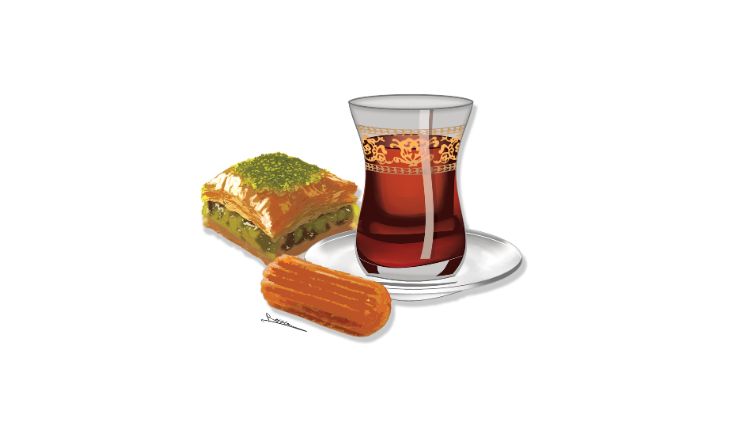
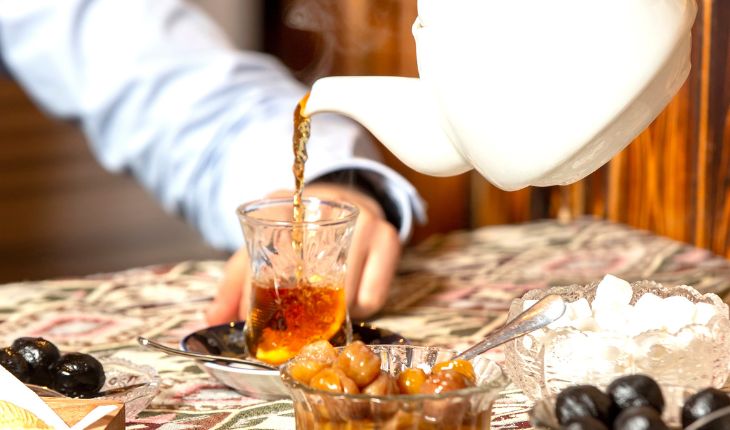
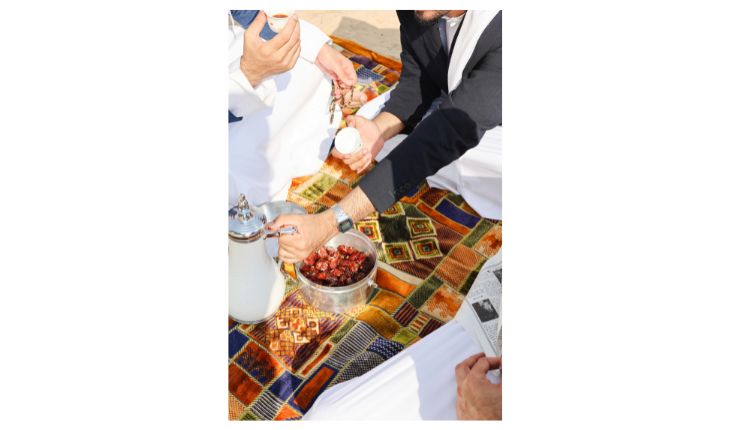
Bahrain and its love affair with tea go back a long way, with the beverage being almost a sentiment among the local diaspora.
On International Tea Day today, fans of the drink are raising their cups high to celebrate this endearing culture, which offers sustainability and livelihoods to scores of people around the world. The theme this year is ‘Sustaining Tea, Supporting Communities’, which highlights the need to backup tea farmers, promote sustainable practices and ensure a better future for the global tea community.
Though the kingdom is originally a coffee-drinking nation, ‘shay’ (tea) as the Arabs call it has been around since the ancient maritime trade of the Dilmunian era. The aromatic leaf found its way to Bahrain’s shores as Arabian merchants traded pearls and dates for spices, textiles and tea.
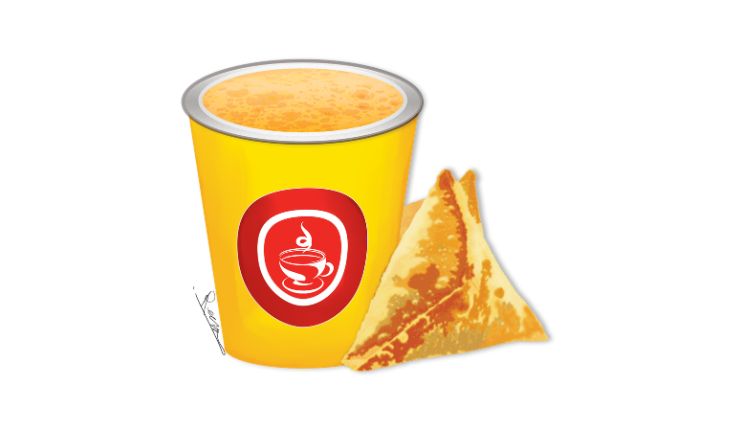
Overtime, the beverage and the way it was consumed evolved with locals embracing newer recipes. Around the mid-20th century, specifically the 1950s and 1960s, the kingdom witnessed a major influx of Indian and Pakistani workers, who brought with them the concept of kadak – ‘robust’ in Hindi and Urdu, it refers to an intensely aromatic potion of tea leaves brewed in milk with spices. This idea revolutionised local traditions, with Bahraini connoisseurs further refining the recipe. Middle Eastern touches of saffron and sometimes rosewater were added, marking the birth of ‘karak’.
Drink of the masses
What lends karak its creamy, luscious texture is condensed milk. Though it is not traditionally used, it has become popular with patrons, nodding to the deep bond that the two cultures – desi and Arab – share. The hold that karak has on both communities is evident from the many pop culture references of the beverage, the latest being the viral hit FA9LA by Bahraini rapper Flipperachi. The track featured in the Bollywood film Dhurandhar contains the line Biya, jib li wahid karak yalla (Brother, bring me one karak, come on).
In fact, moved by the connection that the masses share with this drink, some local hotels and eateries serve recipes influenced by the flavours of the beverage like karak chai ice cream.
The impact that the cuppa has on the community does not end there. Karak outlets, a thriving eco-system, have been propagating newer trends in the community. One such occurrence is the social practice among Bahrain’s South Asian diaspora of perfect strangers standing outside karak shops, sipping on a cuppa and opining on the news of the day.
You will find at least a handful of the humble cafes within a three-kilometre radius anywhere in the kingdom, making this a common sight. Not to forget the compulsive snacking culture that these hubs have facilitated.
Newer trends
While the snack trend started with the odd biscuit packet offered as an impulse purchase item when the worker brought your chai to your car, it has burgeoned into an endless variety of fried goodies that are hard to resist. Egg puffs, chicken cutlets, plantain fritters, samboosa and lentil vadas are some popular favourites.
‘Karak culture’ is equally well known among the locals. Bahrainis honking from their cars, trying to catch the attention of a worker to place their chai haleeb (milk tea) order borders on social stereotype.
Additionally, the beverage has opened doors for newer recipes. Tandoori chai – a close cousin of karak – has recently entered Bahrain’s ‘chayosphere’. It is essentially masala (spiced) tea but served in a kulhad or clay cup, which lends it a distinct earthy, smoky flavour.
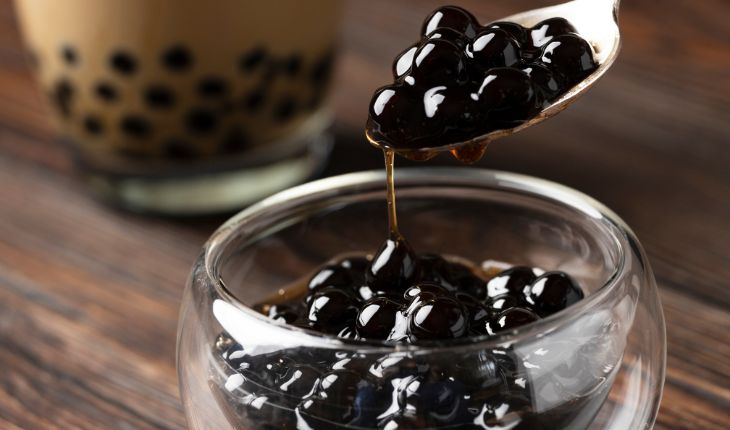
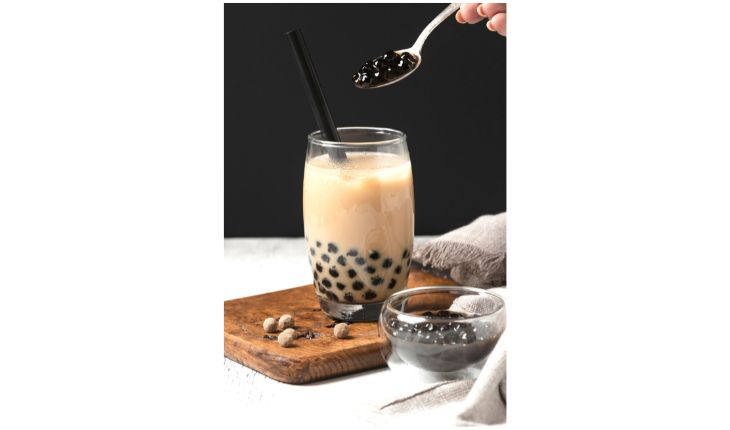
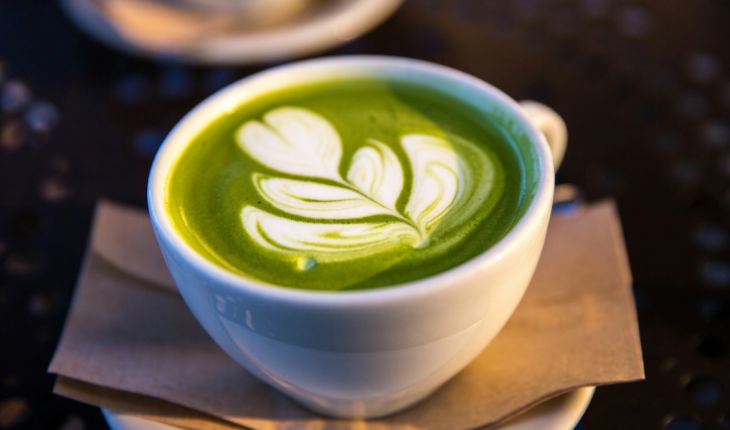
The kingdom is also home to other international tea cultures, from the Arabian Chai Yanzebeel (ginger milk tea) to the popular Japanese matcha, whimsical Taiwanese boba or bubble tea, aromatic Korean barley and yuja (citron) teas and the elevated English high tea experience offered across hotels and cafes in Bahrain.

Digital Edition
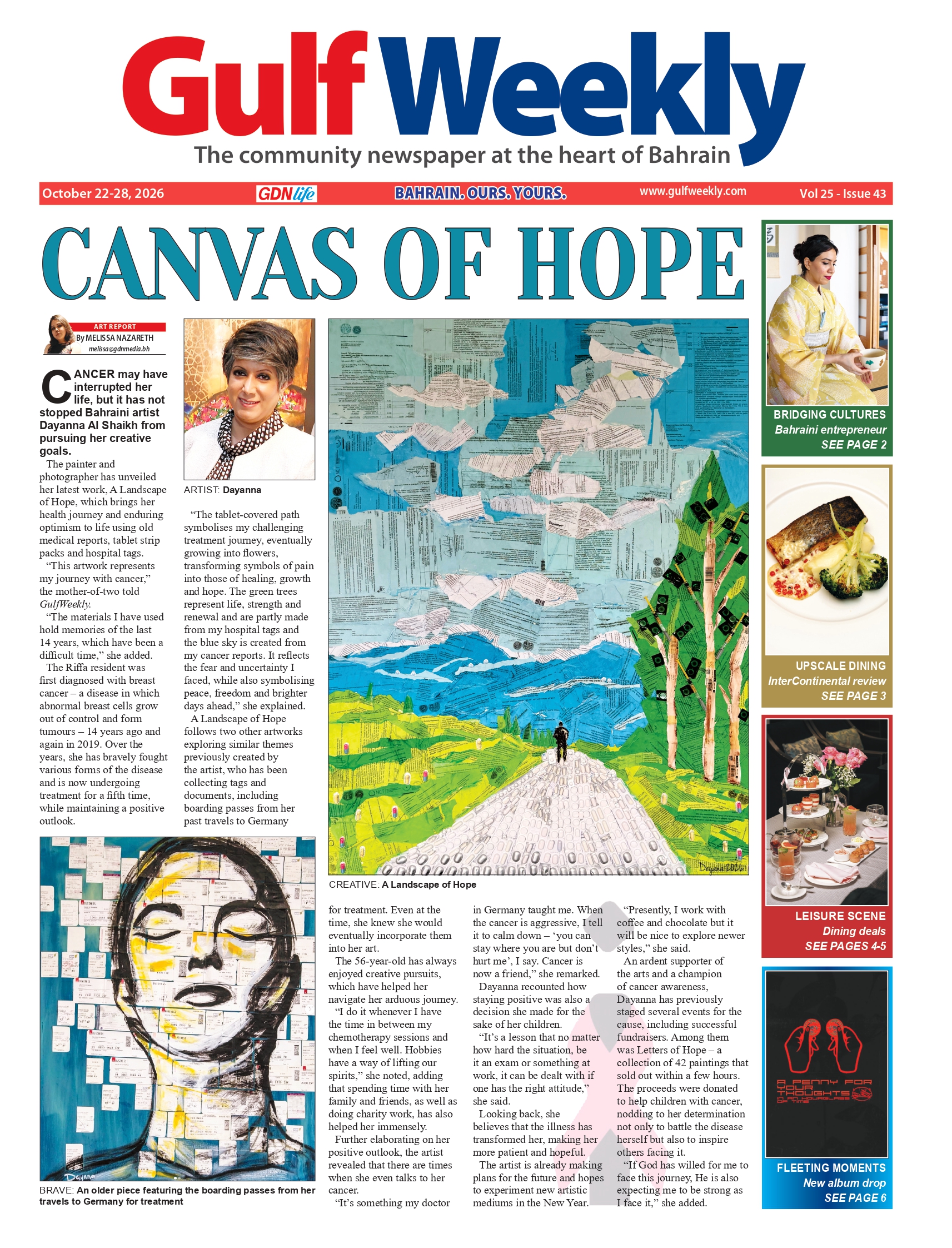
Flip through the latest issue of Gulf Weekly.
Click here to view flipbook edition
Click here to view PDF edition

Contact Us
Al Hilal Publishing & Marketing Group
PO Box 1100,Manama,
Kingdom of Bahrain
Click here for Contact Details