Much like any afternoon or morning tea, a celebration of International Tea Day would be incomplete without an appreciation of the various teatime snacks that have sprung up alongside tea cultures around the world.
Bahrain and the Middle East
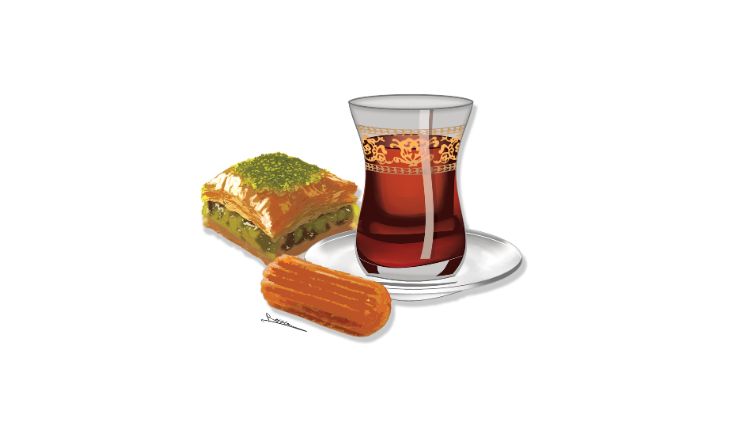
Ma’amoul, dates and baklava may be the belles of the ball in the Arab world, when it comes to teatime plus-ones.
But
that does not even begin to cover the tip of the iceberg, when it comes
to our teatime cravings as well as the influence of all the cultures
that have crossed through the region historically.
From the
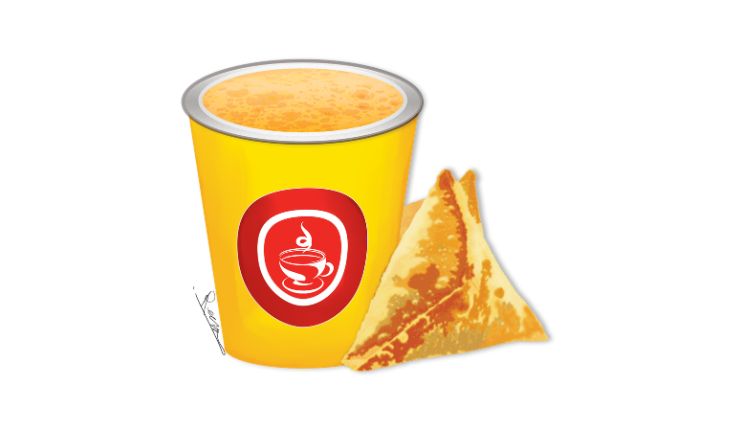
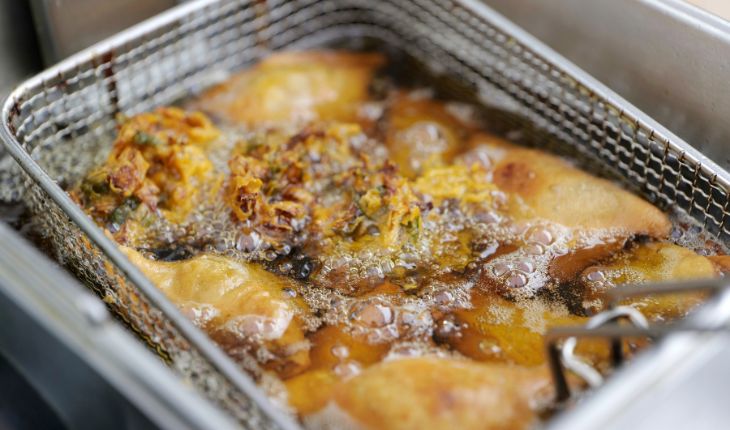
deep-fried goodness of samboosa and kebabs to the Turkish world of
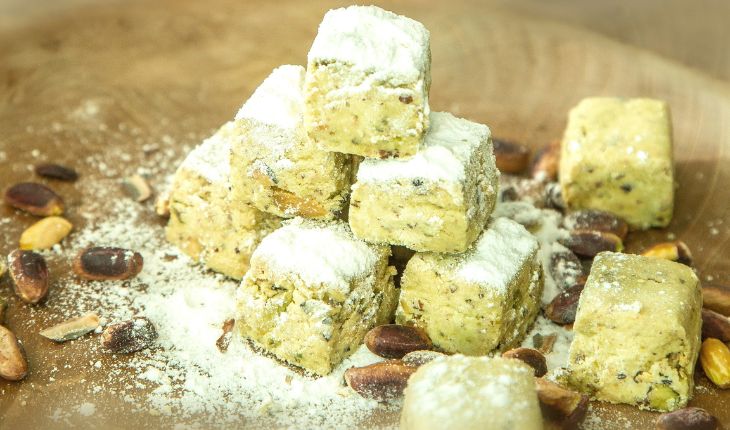
Simidi (small ring-shaped savoury cookies) and Lokum (Turkish Delight),
one does not simply have tea in the face of the region’s hospitality.
Away from the majlises, today’s karak shops are where one can find the
newest additions to the snack scene - Indian chapattis packed with
nutella, cheese, Oman Chips or even samboosas.
The Indian subcontinent
The
home of ‘masala chai’ has its own ever-evolving roster of accompanying
snacks, beyond the quintessential samosa and glucose biscuits.
Of
course, most are familiar with spiced vegetable fritters (pakoras),
perfectly paired with a steaming cup of chai for a rainy afternoon and
many even know of vada pav - Mumbai’s answer to the burger.
But the
subcontinent takes its snacks seriously and every region has its
variations on the perfect pairing to go with a cup of tea.
Some of
these include South India’s rice flour-based spiral murukku, crispy
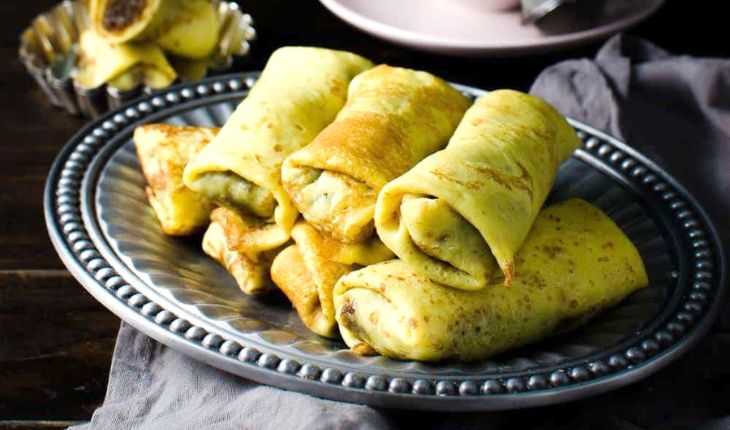
lentil flour-based Sindhi masala papad, and the saffron-infused Sri
Lankan pol-pani pancakes - each as varied as the teas one might find in
the region, from Assam to Ceylon.
THE UK
While many countries
are all-day tea drinkers, the British definitely turned into a special
time of the day with the introduction of the classic afternoon tea.
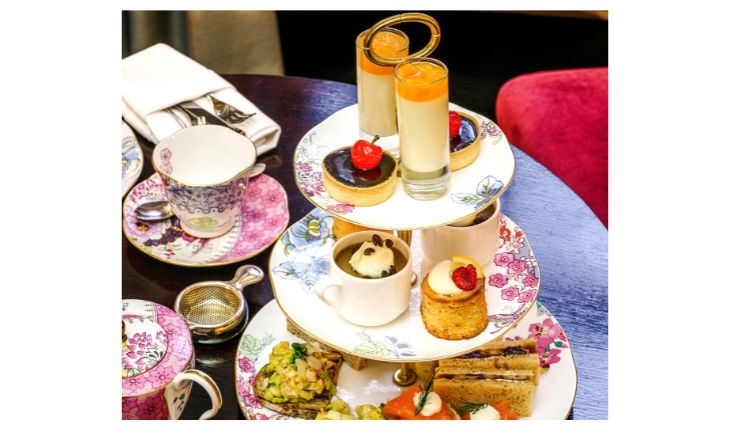
Today, the traditional British afternoon tea is a multi-tiered affair.
The
top tiers are usually reserved for savoury bites like finger sandwiches
with fillings like cucumber and cream cheese, egg and watercress, and
smoked salmon.
Moving downwards, the British scone makes its appearance, with a generous serving of clotted cream.
And
once your sweet tooth is completely primed, the final tier is packed
with miniature cakes and pastries, including Victoria sponge, Battenberg
cake, and iced fruitcake.
Of course, those who would prefer a more
modest tea at another time of the day (good heavens, the audacity!),
there is a spread of dunkable biscuits, from digestives to shortbread
and hobnobs.
Japan and China
While the rest of the world has
built many of its snacking spreads around black or red tea, the
prominence of green, matcha and sencha teas in China and Japan has led
to a more sublime selection.
Peanuts or sunflower seeds are paired
in casual tea settings and even at tea houses across China with the
savoury and salty crunch not overwhelming the delicate flavours of the
tea.
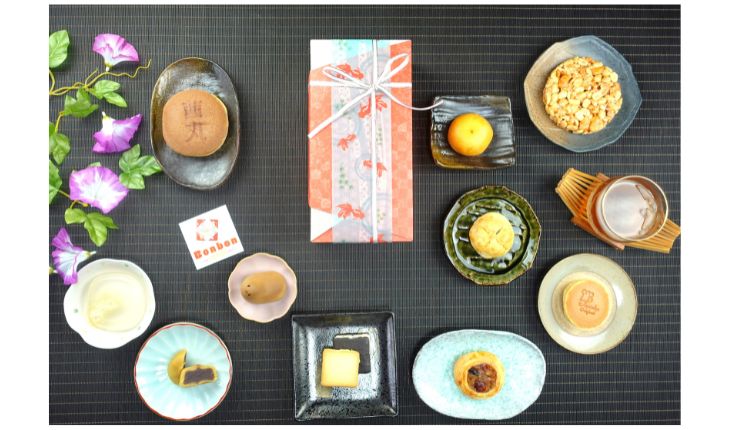
For tea ceremonies or more formal settings, sweets and candies
are made to reflect the seasons, with stronger flavours and more robust
textures used in the autumn and winter months, while more delicate
textures are reserved for the springtime and summer.
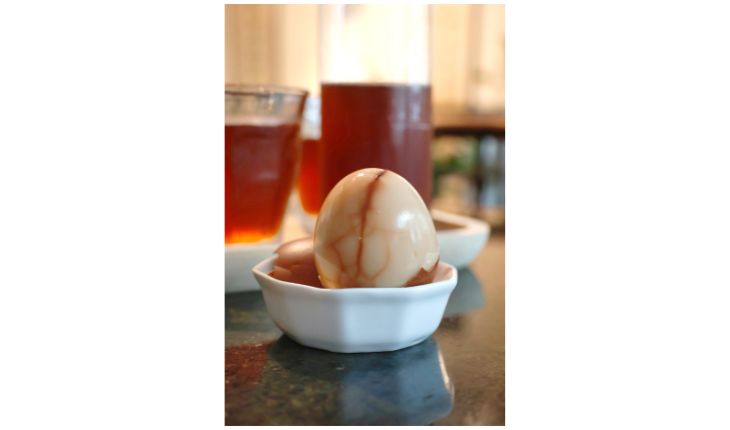
A unique snack
to be found in China is a tea egg - hard-boiled eggs cracked and
simmered in soy sauce, tea leaves, and spices to give them a savoury
umami flavour, and a spiderweb like design on the surface.
In Japan,
meticulously crafted sweets and confections called wagashi are usually
served during tea ceremonies or special occasions.
Amongst the more
unique wagashi is yokan with the texture of a firm jelly and made from
azuki beans, sugar, and seaweed gelatin. It’s often served in thin
slices alongside tea.
Dorayaki is another kind of wagashi that’s made of two fluffy pancakes and a sweet filling.
A typical filling is anko - a sweet red bean paste - but can also include custard, chocolate, or even ice cream.
The pancakes look a lot like American pancakes and are slightly sweet.