I hated maths when I was at school. Really hated it. When I think back to why, I think it all started with my dad. Not in any bad way, it’s just that he was an engineer and as such had a good working knowledge of numbers and I suppose understood it because he had to.
There were many arguments surrounding maths homework born of the abject frustration of us both and I think those arguments sowed the seed deep in my mind that I couldn’t do maths and so I didn’t.
Eventually though, like my dad, I had to get an understanding because it was a requirement of teacher training and because it now had a purpose, and I had a reason to understand it, I did. In fact I was determined
When you work with children you recognise a lot of your own experiences of education through them. I often see children struggling with maths and it takes me back to the confusion I felt, and when I do I go out of my way to build their confidence in a way that my teachers didn’t.
With primary age children a great way to develop maths confidence is to give it a purpose and one of the best ways I have ever seen this done was when a young maths teacher I was observing merged PE with maths to make it fun and test key skills at the same time.
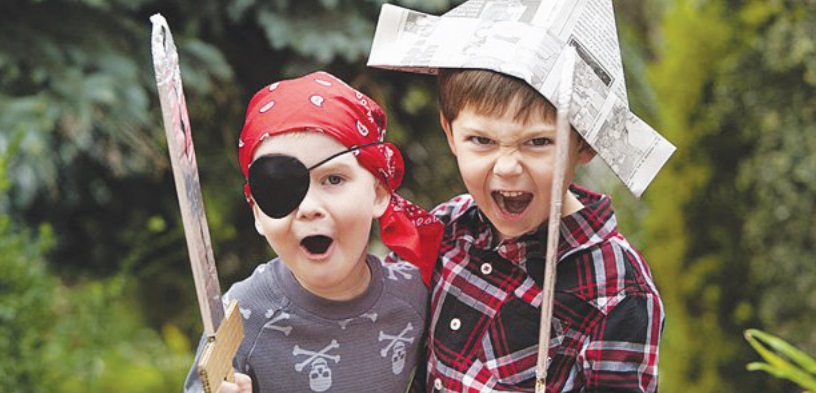
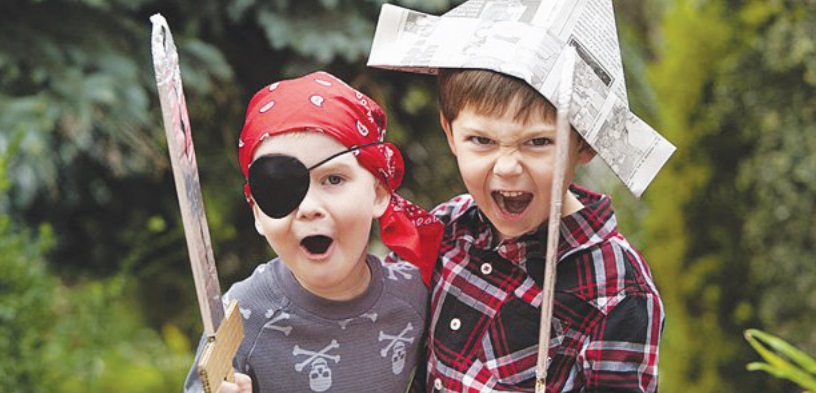
He had spent half a term on pirate-themed learning with Grade 4s and their enthusiasm was palpable. He had linked every subject possible and maths was no exception.
After a week of mental maths strategies, he took the next lesson into the PE hall, armed with five different-coloured pirate swag bags and a collection of gold coins.
He split the class into six (mixed-ability) gangs of pirates. They came up with gang names, and he then allocated them a colour, a swag bag and then explained the rules.
Five PE mats were placed around the hall. Each was a ‘number island’ and allocated a function (addition, subtraction, division or multiplication); the one in the middle was for ‘super maths’. At one end of the hall was the pirate ship’s dungeon (a PE bench).
One of the gangs was called into the middle and given bibs. When the whistle blew, they had 60 seconds to tag as many rivals as possible.
The number islands were safe bases. Tagged pirates were sent to the dungeon and when time was up, those left on the islands had to answer questions based on their function. If correct, a gold coin (two for a super maths question) was placed in the swag bag and the pirate freed.
Because the groups were mixed ability, the questions were mixed ability too, meaning getting a question wrong was rare but when it did happen they were given a second question to redeem themselves.
Seeing children engaged in their learning is a fantastic thing and there wasn’t one child in the class who wasn’t eagerly involved in their maths revision.
They were learning without even realising it. Brilliant.