

_page-0001_20260820101106.jpg)




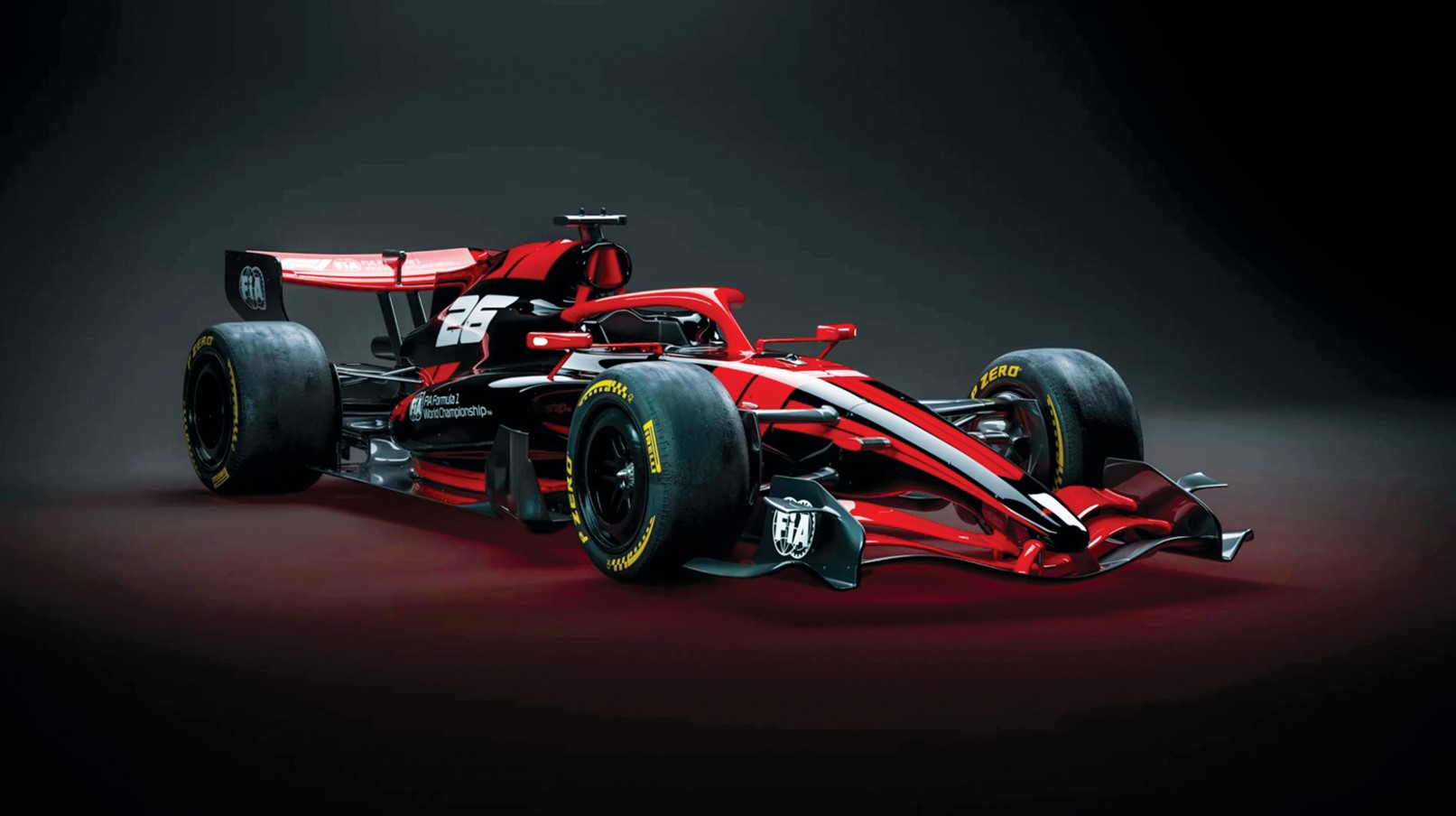
Formula 1 is heading into one of its most dramatic resets in recent memory. Alongside the arrival of an 11th team, sweeping new regulations are set to change how cars race, how drivers attack, and even how power is produced. But what does that mean for the average fan? Here’s a quick guide to the changes coming this season, and how they could reshape Formula 1 on track.
Going Green
One of the biggest shifts happening this year is Formula 1’s
push towards sustainability.
This year, power units will run on Advanced Sustainable
Fuels made from sources such as carbon capture, municipal waste and non-food
biomass. At the same time, the sport’s hybrid engines are becoming far more
electric, with roughly half of a car’s power now coming from electrical energy
rather than petrol.
The complex Motor Generator Unit - Heat (MGU-H) system has
been removed, while battery recovery has been boosted, allowing cars to harvest
more energy through braking and lifting off the throttle.
The result is a championship that leans heavily into smarter
energy use, helping explain why major manufacturers such as Audi, Honda and
Ford-backed Red Bull Powertrains have been drawn in.
For fans, it means Formula 1 is no longer just a spectacle
of speed. It is also a live demonstration of cleaner performance technology
that could shape future road cars.
Buttons Galore
This year, drivers have more tools at their disposal than
ever before, turning every lap into a tactical balancing act.
The familiar deployment button has been renamed the ‘Boost
Button’, allowing drivers to unleash maximum power whenever they choose,
provided they have enough battery charge.
The boost could, in theory, either help them defend from a
car behind or attack a car ahead.
It can be used all at once or spread across the lap,
depending on when they have the best chance to attack or where they are most
vulnerable.
New for this season is ‘Overtake Mode’.
If a driver is within one second of the car in front at a
detection point, they gain access to extra electrical energy for the following
lap, giving them a temporary speed advantage designed specifically to help
close the gap on straights.
Drivers also actively manage ‘Recharge’, harvesting energy
through braking, partial throttle or lifting early.
Sometimes that slight lift before a corner is not
hesitation, it is strategy.
Together, these systems mean fans will hear plenty of new
radio chatter and commentary references as drivers juggle energy levels while
racing wheel to wheel.
Active Aero
Perhaps the most visible change is the introduction of
Active Aero, which effectively replaces DRS.
Both front and rear wings can now adjust their angle
depending on where the car is on the circuit.
In corners, the wings stay closed to maximise grip. On
designated straights, drivers can manually open them to reduce drag and
increase top speed.
Unlike DRS, this low-drag mode is available to every driver
on every lap, not just those within one second of a rival.
Wings automatically close when a driver brakes or lifts off,
and certain corners have built-in cut-offs to prevent risky attempts with the
wings open.
The result will be a fundamental shift in overtaking and
should make for much more exciting racing.
Safety First
As performance evolves, safety continues to move forward.
The survival cell has been strengthened, the roll hoop can
now withstand significantly higher loads, and the front impact structure has
been redesigned to better protect drivers in major crashes involving secondary
impacts.
These updates are part of Formula 1’s ongoing effort to
ensure that as cars become faster and more complex, protection standards rise
alongside them.
Body Changes
The cars themselves also look different.
They are shorter, narrower and lighter, with slimmer tyres
designed to reduce drag. The intricate ground-effect tunnels of recent seasons
have been replaced by flatter floors and larger diffusers, cutting overall
downforce and making it easier for cars to follow one another through corners.
Front and rear wings are simpler, with fewer elements, and
the removal of various aerodynamic add-ons helps keep airflow cleaner.
In theory, this should lead to closer racing and a wider
range of car set-ups, allowing different driving styles to shine.
For fans, that could mean battles that build over several
corners rather than single-straight lunges.
With greener power, smarter aerodynamics and a new layer of
driver-controlled strategy, Formula 1 is entering a fresh chapter.
Racing is set to become less about aerodynamic tricks and
more about timing, judgement and energy management.
