





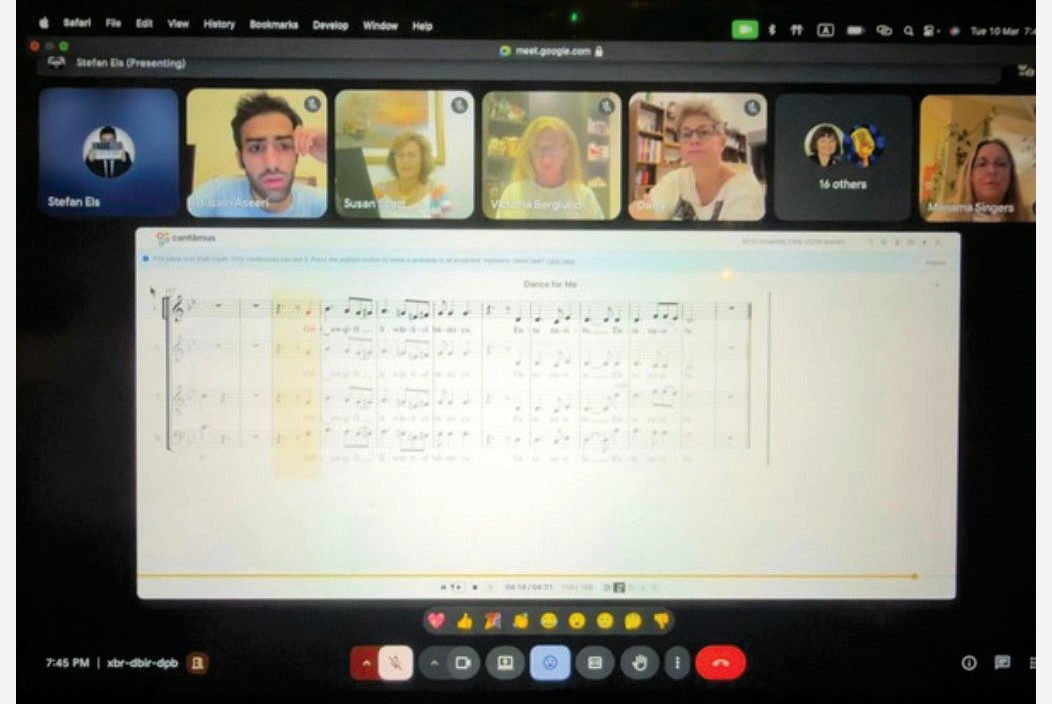
Manama Singers, one of Bahrain’s oldest multicultural community choirs, has been staging online sessions to uplift members’ spirits amidst the ongoing tension, nodding to the benefits of music on mental health.
Every week, members from different backgrounds ‘virtually’
come together as one to ‘sing their stresses away’.
The group usually meets every Tuesday at the Dilmun Club in
Saar for an evening of tuneful socialising. However, since the Iranian
airstrikes in the kingdom began, public gatherings have been prohibited to
ensure safety. Determined to continue their rhythmic rehearsals, the
nightingales decided to go digital.
Currently, they are practicing for an upcoming concert,
dates for which will be announced later.
“Our weekly online rehearsals have been very meaningful,”
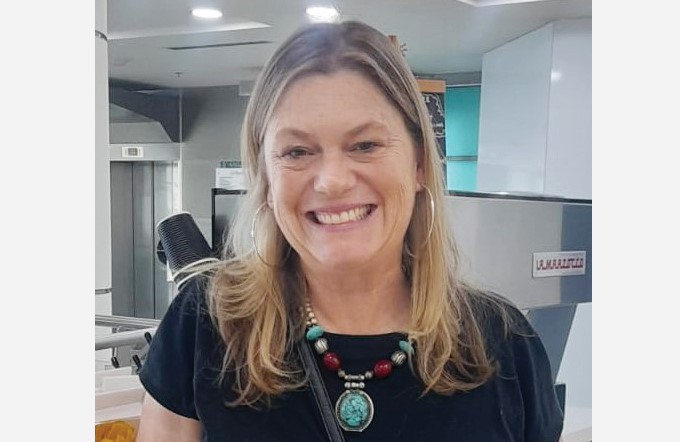
Manama Singers committee member Tamara Bischoff told GulfWeekly.
“Singing with my choir friends, even though online, offers a
sense of connection and community. It reminds me that I am not alone, and that
shared music can be incredibly uplifting, even in stressful moments,” added the
Swiss national from Barbar, who has been living in Bahrain for the last 18
years.
Elaborating on how music has helped her navigate this
uncertain period, the soprano singer noted that she often listens to old
classics that bring back happy memories.
“Those songs transport me to moments when life felt safe and
comforting, and that sense of security is incredibly grounding during uncertain
times. Focusing on the melody, the harmonies, and the emotions provides a deep
sense of calm,” she explained.
Several online studies confirm the transformative power of
music in mental well-being. It is known to help people relax and de-stress,
even deal with negative feelings like sadness and anxiety. A classic example of
sound healing is Tibetan singing bowls. They produce a distinct sound and
vibration said to relax the vagus nerve – the same one, research indicates, is
stimulated while chanting and humming, and connected to the vocal chords and
muscles in the back of the throat.
Pop culture is also teaming with books and documentaries on
the healing power of music.
“Even 15 to 20 minutes a day can bring a significant sense
of calm and help restore balance,” Tamara remarked, recounting her personal
experience.
The choir’s marketing in-charge designed an Instagram post
listing five ways that singers can use breath and music to regain calm:
• Take a slow singer’s breath: Inhale gently through the
nose, expand the chest and exhale slowly. Repeat several times to help calm
your body.
• Hum softly: Gentle humming can relax the nervous system
and produce vibrations in the body that have a calming effect. Keep the sound
soft and comfortable.
• Focus on a musical line: Quietly sing or imagine a simple
melody you know well. Concentrating on the musical line can help redirect
anxious thoughts.
• Release physical tension: Roll your shoulders, stretch
your neck and relax your jaw as you would before rehearsal. Let the body
soften.
• Sing together: If possible, sing a familiar piece softly
with others. Shared singing can restore a sense of connection and safety.
Reflecting the core idea of the social media post,
Bahrain-based Australian expatriate and psychotherapist Beth Noble said: “Music
has a direct impact on the nervous system and helps to process emotions, which
is why is a great tool in a time like this.”
Meanwhile, Insights Therapy clinical psychotherapist Eman
Nooruddin highlighted her observations from her practice where clients were
able to open up and get in touch with their deepest emotions with the help of
music.
“I have had clients who could not find words for what they
were feeling, not because they didn’t want to talk, but because the part of the
brain that holds language shuts down under extreme stress. But they could put
on a song. And that song would open something that sitting across from me could
not open alone. Music bypasses the thinking mind and goes straight to where the
feeling lives,” she added.
For more information, follow@manamasingers on Instagram.