




Ramadan, the ninth month of the Islamic calendar, is a time when Muslims around the world fast from dawn to dusk. GulfWeekly compiles a list of facts and interesting practices surrounding the holy month.
New beginnings
Not unlike most Muslim festivals, Ramadan is declared based
on moonsighting. In the Islamic calendar, the new crescent moon marks the start
of a new month. Hilal is Arabic for ‘crescent’ and Al Hilal Al Jadeed is ‘the
new crescent’ that signals the first of the lunar phases.
Suhoor, Iftar and Ghabga
Suhoor is the meal consumed before dawn. However, most
scholars agree that it can be eaten until the point that sunlight first becomes
visible. This meal is followed by the morning prayer or Fajr.
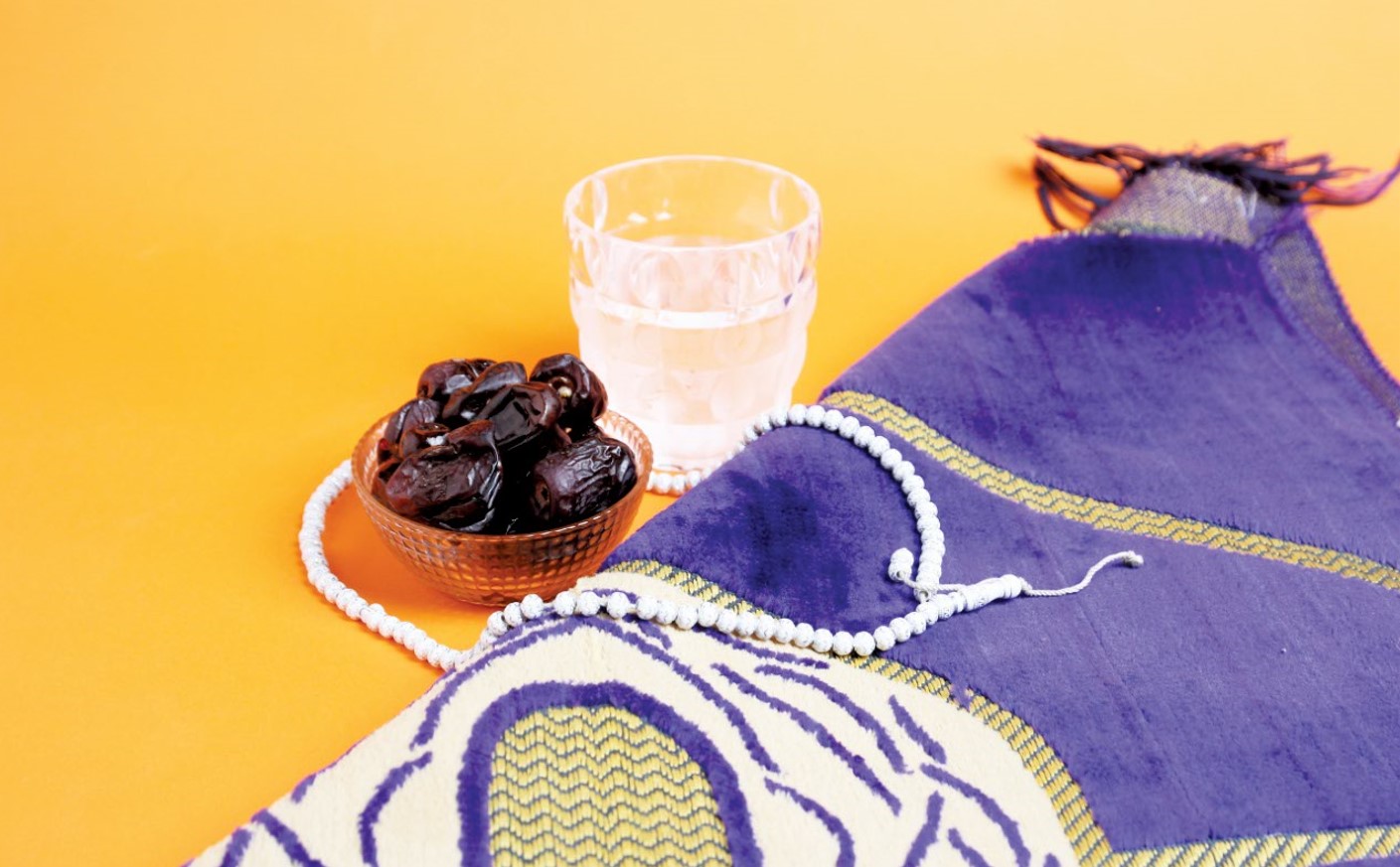
Iftar is consumed at sunset and signals the end of the fast.
This is followed by the evening prayer or Maghrib.
While most people break their fast at home with family,
hotels in Bahrain host iftar gatherings too. They feature a diverse buffet with
traditional dishes and some modern creations to cater to a wider audience.
Iftars are a wonderful opportunity for non-Muslims to experience the tradition.
Ghabgas offer a more extensive spread and go on late into the night, often as a
prelude to suhoor.
* Check pages 4 and 5 for iftars and ghabgas happening at
hotels in Bahrain
Prayer
Islam orders five prayer times – Fajr (dawn), Dhuhr
(midday), Asr (afternoon), Maghrib (sunset) and Isha (night). As on other days,
during Ramadan, Muslims pray during these times, accompanied by reading the
Quran more often than otherwise. Some might choose to listen to sermons by
scholars as well, all creating a solemn atmosphere of worship.
Cultural practices
Gergaoun, typically observed on the 15th night of Ramadan,
is a traditional holiday where children (often even adults!) go door-to-door,
singing traditional songs, to receive sweets and nuts from neighbours.
Musaharati, another practice that is still seen in some villages in Bahrain,
refers to the drummer who calls on the community in the early hours of the
morning, waking them up for suhoor.