








High-protein diets were a major global food trend throughout last year and will remain popular in the new year as well, experts have revealed.
In response to the ‘craze’, a slew of
products have entered the market, from high-protein yoghurts and lattes to
ready-to-eat foods that stack up on the macronutrient, and even snacks like
hummus and quinoa crisps.
Not to forget the widely available protein
powders, which, in many cases, are being consumed without medical guidance.
Additionally, home cooks are rehashing
beloved recipes to include or substitute ingredients that provide this
much-sought-after polypeptide. The humble overnight oats, for instance, has
been re-thought, replacing half the milk with Greek yoghurt for extra protein.
Even the ubiquitous Indian dosa has swapped rice with an all-lentil variety.
Protein is an important macronutrient,
alongside carbohydrates and fats, which helps to build and repair tissues,
forms enzymes and hormones, supports the immune system, and provides energy.
So far, it formed part of a balanced diet.
However, lately, many have shifted to fitness regimens that are built solely
around it, which raises the important question: how much is too much?
Al Hilal Premier Hospital clinical
dietician Reem Jamali noted that it is important to have balanced meals.
“If we increase (or decrease) anything on
our plate, it will have a negative effect,” the expert told GulfWeekly.
“Many patients increase their protein
intake, which could cause high uric acid, gout and constipation,” she added,
highlighting that protein intake should range from 10 per cent to 35pc of one’s
calorie consumption for the average individual.
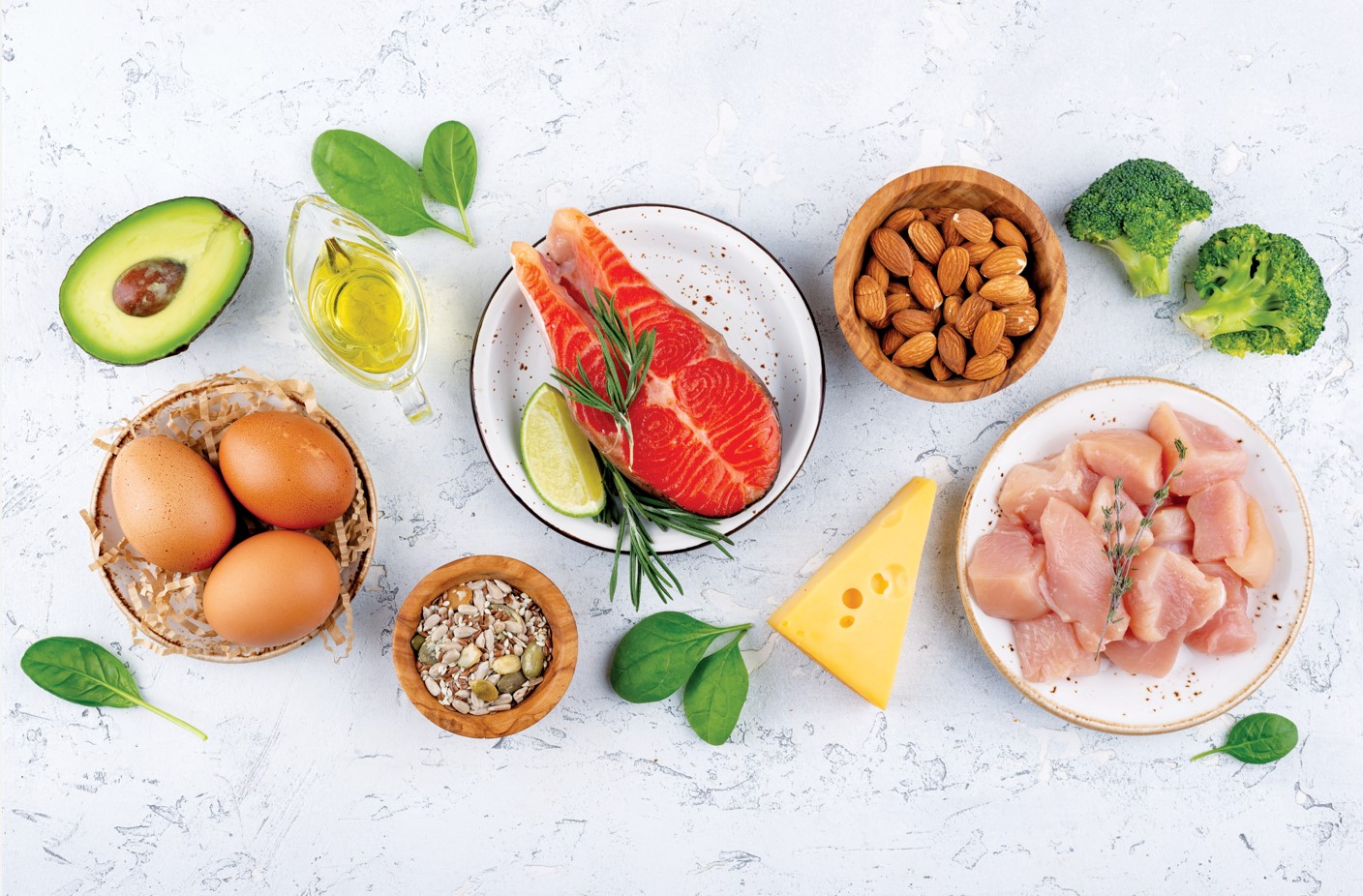
Meat, poultry, fish, eggs and dairy are
some of the foods that are rich in protein. Plant based options include tofu,
edamame, quinoa, legumes, nuts, seeds and whole grains, among others.
“Generally, we recommend one-fourth of your
plate to be protein, an equal amount of carbohydrates, and half a plate of
vegetables for fibre or one-fourth vegetables and another one-fourth fruit,”
Reem advised.
She added that consuming sufficient macros
can easily fulfil nutritional requirements, including for vitamins and
minerals, without any supplements.
“Protein shakes are advertised mainly for
athletic people, considering they have a much higher protein requirement per
day, but for the average person, who works out for about an hour a day, a good
diet is sufficient,” she said, highlighting that nutritional requirements vary
from person to person, depending on lifstyle and other factors.
Reem advised that if one is consuming the
powders, one must increase water intake to avoid a protein build up, which
could cause chronic kidney disease.
“Unsupervised or trend-based protein intake
may lead to imbalances, unnecessary strain, or overlooked deficiencies,
especially when supplements replace whole foods,” Awali Hospital clinical
dietitian Aldana Alaamer said.
The expert warned against misleading social
media campaigns that market the overconsumption of protein for muscle gain and
weight loss.
“In some cases, we do recommend people to
take protein powder, where they cannot meet their required target. There is no
single number that suits everyone, as protein needs vary based on body mass
index (BMI), body composition, health status, activity level, and clinical
conditions.
“High or increased protein intake should be
planned and monitored with a qualified professional such as a dietitian,
supported by baseline blood tests, and re-evaluated every three to six months
to ensure kidney, liver, lipid, and metabolic health remain within normal
ranges.
“It is also important to be mindful of the
type of protein powder because some of them have hidden sugars that can cause a
spike in blood sugar levels, or excessive fat that can raise the lipid
profile,” she added.